





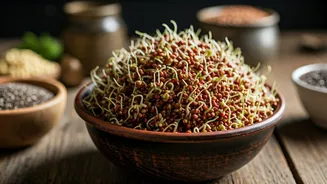


The Post-Workout Dilemma
You’ve just finished a gruelling workout. Your muscles are fatigued, and your energy stores are depleted. The 30-to-60-minute window after exercise is crucial for recovery. Your body craves two things: protein to repair and rebuild muscle tissue, and carbohydrates
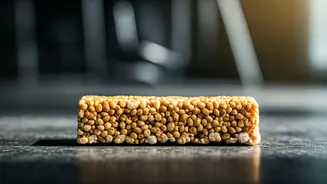
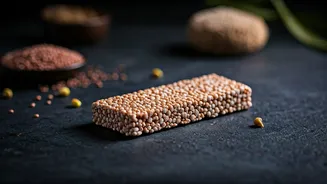
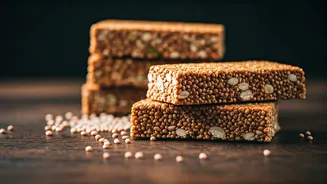
to replenish the glycogen you just burned for fuel. For decades, the fitness industry has sold a convenient solution: the post-workout energy bar. It’s quick, portable, and designed to deliver a measured dose of these macronutrients. But as more people become conscious about what they consume, they’re starting to read the ingredient lists and ask a simple question: is there a better, more natural way?
Decoding the Modern Energy Bar
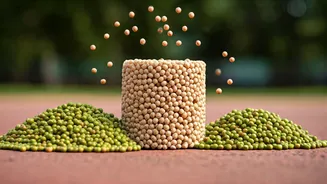
Let's be clear: not all energy bars are created equal. Many are well-formulated and effective. However, a significant portion of the market relies on highly processed ingredients. Common components include soy or whey protein isolates, various forms of sugar like high-fructose corn syrup, artificial sweeteners (sucralose, aspartame), preservatives to ensure a long shelf life, and artificial flavours and colours. While they offer convenience, the trade-off can be poor digestibility, potential gut irritation from artificial additives, and a high load of simple sugars that can lead to an energy crash. This has led many fitness enthusiasts in India to look back into their own pantries for a solution that is both effective and clean.
The Resurgence of Ragi
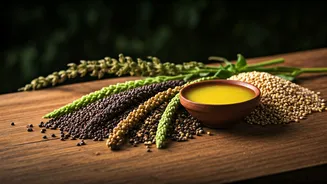
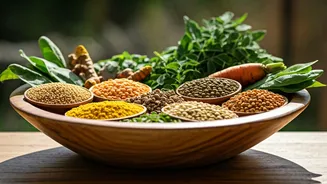
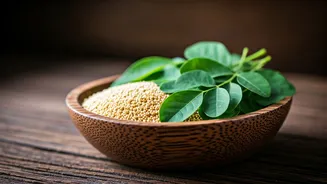
Enter Ragi, or finger millet. This hardy grain is not a new health fad; it’s a cornerstone of traditional Indian diets, especially in the southern states and hilly regions. Known for its incredible resilience and nutritional density, ragi has been a source of strength and sustenance for generations. It’s naturally rich in calcium (more than most other cereals), packed with fibre, and boasts a good profile of essential amino acids like methionine and tryptophan. Its complex carbohydrates provide a slow, sustained release of energy, which is exactly what the body needs to recover steadily without the dreaded sugar spike and crash. But the real magic happens when you sprout it.
The Power of Sprouting
Sprouting, or malting, is a simple, natural process that unlocks the full potential of a grain. When ragi is soaked and allowed to germinate, it undergoes a transformation. The process breaks down anti-nutrients like phytic acid, which can inhibit the absorption of minerals. This makes the iron, calcium, and zinc in ragi more bioavailable, meaning your body can actually absorb and use them more effectively. Furthermore, sprouting increases the concentration of vitamins, particularly Vitamin C and B-complex vitamins. It also activates enzymes that begin to break down complex starches and proteins, making the flour significantly easier to digest and gentler on the stomach—a huge plus after an intense workout when your digestive system is already under stress.
Sprouted Ragi vs. The Bar
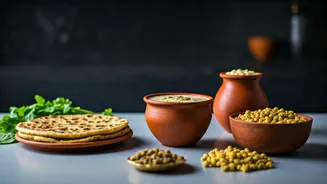
When you put a homemade sprouted ragi mix head-to-head with a typical commercial energy bar, the differences are stark. A simple mix of sprouted ragi flour, perhaps with some jaggery for sweetness and nuts for healthy fats, offers a complete nutritional package. You get high-quality, easily digestible protein and complex carbs from a single, whole-food source. There are no preservatives, no artificial sweeteners, and no unpronounceable chemicals. It is inherently gluten-free and far more economical in the long run. While a bar offers unmatched grab-and-go convenience, a ragi mix is incredibly versatile. It can be made into a quick porridge (ganji), blended into a smoothie, or even prepared as a traditional sattu-style drink in minutes.
Making the Switch Practical
Integrating sprouted ragi into your fitness routine doesn’t have to be complicated. Many brands now offer high-quality, pre-made sprouted ragi flour mixes. For a quick post-workout drink, simply mix a few tablespoons with hot water or milk (dairy or plant-based), add a natural sweetener like jaggery or a mashed banana, and stir. You can boost the protein content further by adding a scoop of nut butter or a handful of seeds. This shift isn't about militant rejection of all modern conveniences; it’s about a mindful choice. It’s about honouring your body with clean, whole foods that have a rich cultural history and are backed by nutritional science.