



What Exactly is Agrivoltaics?
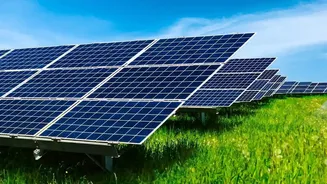
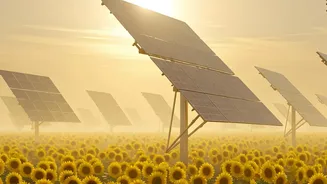
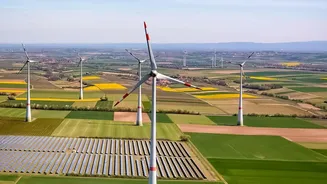
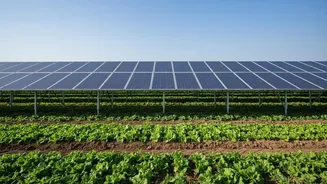
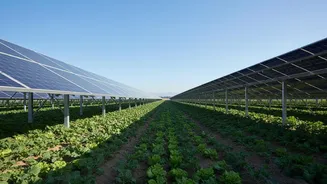
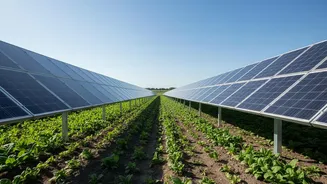
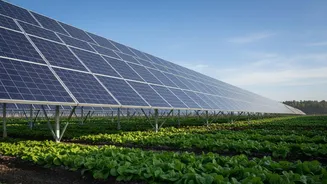
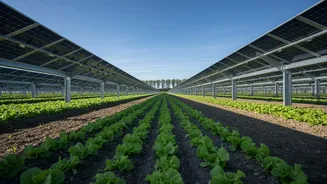
Imagine a farm where crops grow under the gentle shade of solar panels mounted high above the ground. This is the core concept of agrivoltaics, also known as solar farming. Instead of dedicating land exclusively to agriculture or to a solar park, this
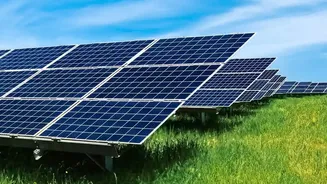
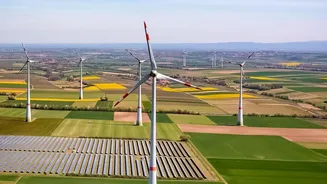
innovative approach allows both to coexist on the same plot. The solar panels are installed on elevated structures, providing enough space and filtered sunlight for crops to thrive underneath, effectively allowing farmers to harvest both food and energy from the same field. This dual-use model is gaining significant attention as a way to optimise land use, a critical issue in a densely populated country like India.
A Dual Harvest of Income and Yield
The primary appeal of agrivoltaics for farmers is the creation of a stable, diversified income stream. While crop yields can be subject to weather and market volatility, selling electricity to the grid provides a predictable source of revenue. Farmers can either lease their land to solar developers for a fixed annual income or own the solar project themselves, turning their farms into power-generating assets. Beyond the financial gains, the agricultural benefits are compelling. The shade from the panels creates a cooler microclimate, which reduces heat stress on certain crops and lowers water evaporation from the soil by up to 30%. This not only conserves a precious resource but can also protect plants from harsh weather like hailstorms and extreme heat, leading to more stable or even improved yields for shade-tolerant crops like turmeric, ginger, and various vegetables.
The Government's Clean Energy Push
This agricultural revolution is being strongly supported by government policy. The Pradhan Mantri Kisan Urja Suraksha evam Utthan Mahabhiyan (PM-KUSUM) scheme is at the forefront of this push, encouraging farmers to adopt solar technology. Component-A of the scheme specifically supports the installation of decentralised solar power plants on farmland. Recognizing the massive potential, the government is reportedly preparing a new phase, PM-KUSUM 2.0, which is expected to include a dedicated component for agrivoltaics, aiming to add significant capacity. This policy support signals a clear intent to see farmers not just as food producers (Annadata), but also as energy providers (Urjadata).
Challenges on the Path to Scale
Despite its immense promise, the widespread adoption of agrivoltaics faces hurdles. The high upfront capital cost of installing elevated solar structures can be a significant barrier for small and marginal farmers. While government subsidies exist, navigating the financing can still be complex. Furthermore, not every crop is suitable for growing under solar panels. More region-specific research is needed to create a comprehensive guide on which crops thrive in partial shade and to develop best practices for this new form of cultivation. Establishing clear policy frameworks, streamlining land use regulations, and providing technical training for farmers are crucial steps to overcoming these challenges and unlocking the full potential of this technology.