
The Cost Question: Abundance vs. Scarcity
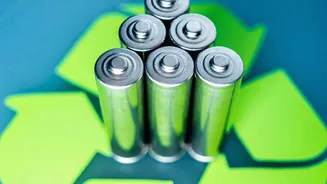
The primary advantage driving the excitement around sodium-ion (Na-ion) batteries is cost. The core ingredient, sodium, is one of the most abundant elements on Earth, found globally in rock salt and seawater. This makes it fundamentally cheaper than lithium,
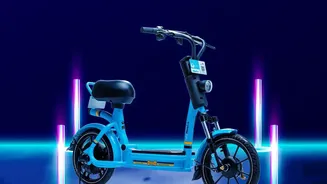
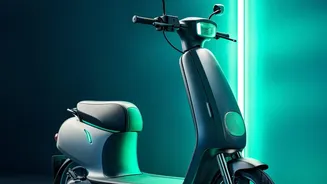
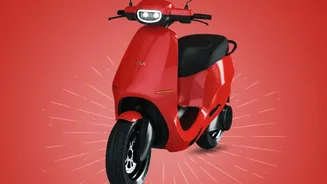
which is concentrated in a few countries, leading to complex supply chains and geopolitical tensions. Lithium mining and refinement is an expensive process, whereas sodium is far easier and cheaper to source. While Na-ion battery packs are not yet universally cheaper than their lithium-ion counterparts, the potential for significant cost reduction is immense as manufacturing scales up. For India, this is a game-changer, promising to reduce reliance on costly imported lithium and make electric two-wheelers accessible to a much broader audience.
Performance Face-Off: Energy Density and Charging
When it comes to performance, the comparison is more nuanced. Lithium-ion (Li-ion) batteries currently hold the crown for energy density. This means they can store more energy in a smaller, lighter package, which is a crucial advantage for portable electronics and high-performance electric vehicles. Sodium ions are larger than lithium ions, which historically has meant lower energy density for Na-ion cells. However, the technology is rapidly advancing. On the charging front, some Na-ion chemistries can be charged very quickly, and they often outperform Li-ion batteries in extreme temperatures. They show excellent stability in both intense cold and high heat, a significant benefit for the varied Indian climate, whereas lithium-ion performance can degrade in such conditions.
Safety and Lifespan: A Clear Advantage for Sodium
Safety is a major selling point for sodium-ion technology. Li-ion batteries, particularly certain chemistries, have a known risk of thermal runaway—a dangerous chain reaction that can lead to fires. Sodium-ion batteries are generally considered to be more chemically stable and less prone to overheating. Many Na-ion cells can be safely discharged to zero volts for transport or storage, a procedure that would permanently damage a lithium-ion battery. In terms of lifespan, Na-ion batteries are also proving to be highly durable, with some demonstrating a cycle life that is comparable to or even better than many Li-ion variants, meaning they can be charged and discharged many times before their capacity significantly degrades.
The Road Ahead for India's EV Market
The transition to sodium-ion power is no longer a distant dream in India. According to recent government statements in August 2026, Indian researchers have advanced Na-ion technology to a high level of maturity, designated as Technology Readiness Level (TRL) 7. This means a working prototype has been successfully demonstrated in a real-world environment, and the technology could move to commercial production within the next two to three years. Companies like Reliance Industries and KPIT Technologies are already invested in developing Na-ion solutions. While China is currently leading the commercialisation race, India has a critical window of opportunity to build its own ecosystem, leveraging its domestic research and manufacturing capabilities to secure a foothold in this transformative technology. This could significantly boost the nation's energy security and its 'Make in India' ambitions.