





The Pacific's Famous Troublemaker
Whenever the monsoon forecast is discussed, El Niño is the term on everyone’s lips. It is a naturally occurring climate pattern, characterized by the unusual warming of surface waters in the eastern and central tropical Pacific Ocean. This oceanic warming has
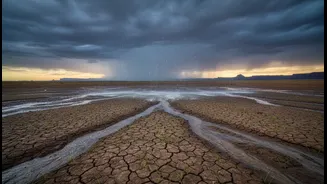
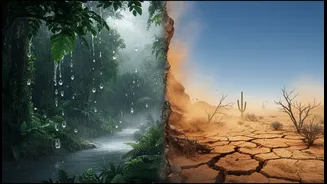
a domino effect, disrupting global weather patterns. For India, it typically weakens the trade winds that are connected to the moisture-laden monsoon winds. This disruption often dampens the monsoon, leading to reduced rainfall. Historically, the correlation has been significant; many of India’s most severe droughts have occurred in El Niño years. Over the last century and a half, at least half of all El Niño years have coincided with monsoon droughts, solidifying its reputation as a harbinger of dry spells for the subcontinent.
When the Villain Doesn't Show Up
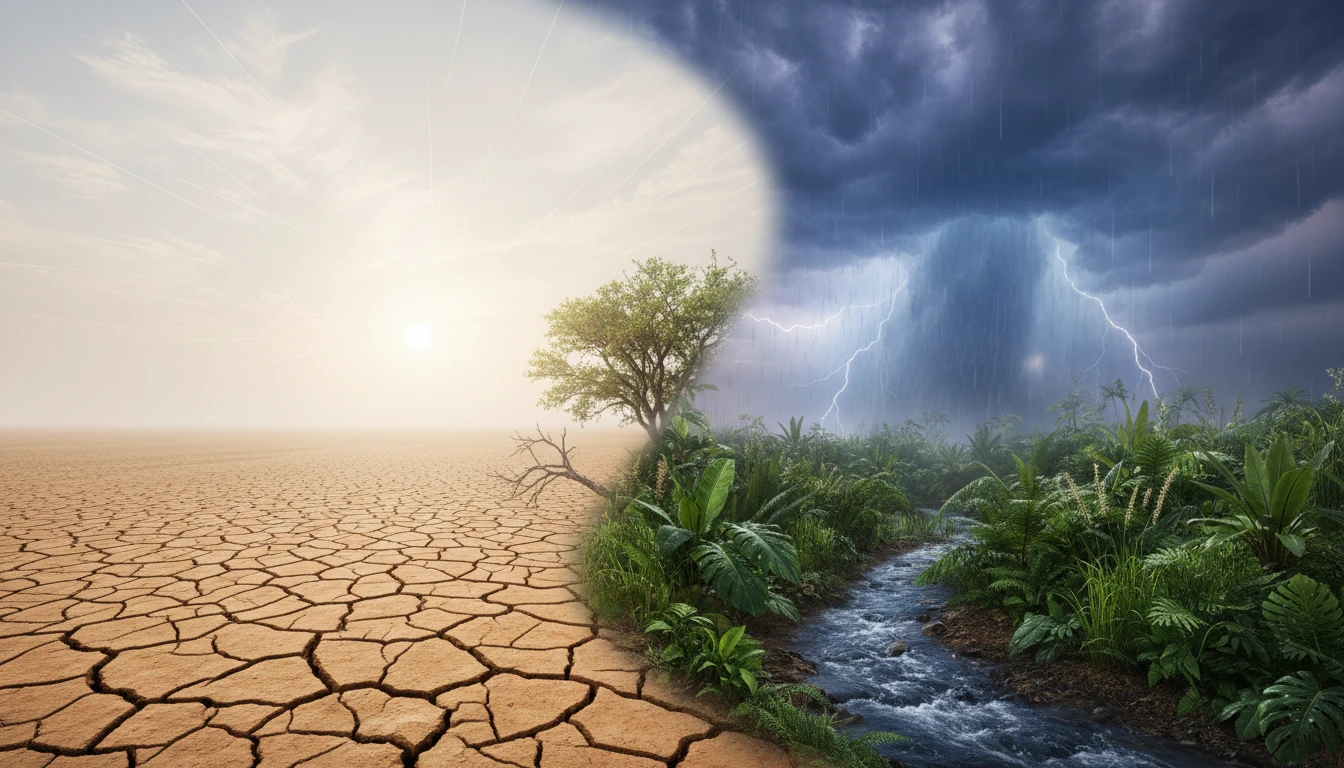
But the relationship between El Niño and the Indian monsoon isn't a simple one-to-one equation. While the connection is strong, it is not absolute. There have been several years where El Niño was active, yet India received normal or even above-average rainfall. The classic example is 1997, when one of the strongest El Niño events of the 20th century occurred, yet the monsoon was bountiful. Similarly, in years like 1983 and 1994, the monsoon performed well despite the presence of an El Niño. These exceptions are crucial because they prove that El Niño is not the sole determinant of the monsoon's fate. Other powerful climatic forces are at play, sometimes strong enough to completely override the Pacific's influence.
Meet the Monsoon's Saviour: The Indian Ocean Dipole
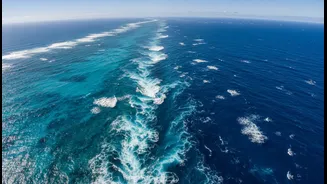
The most significant of these other factors is the Indian Ocean Dipole (IOD), sometimes called the 'Indian El Niño'. The IOD refers to the temperature difference between the western Indian Ocean (the Arabian Sea) and the eastern Indian Ocean (near Indonesia). It has three phases: positive, negative, and neutral. A 'positive' IOD, where the Arabian Sea is warmer than average, is often a boon for India's monsoon. The warmer water promotes more evaporation and convection, creating a localised low-pressure system that actively pulls moisture-laden winds from the ocean towards the Indian landmass. This can act as a powerful counter-mechanism, effectively 'rescuing' the monsoon during an El Niño year. The year 2019 is a perfect recent example, where a very strong positive IOD led to a deluge late in the season, compensating for a weak start.
A Complex Climatic Dance
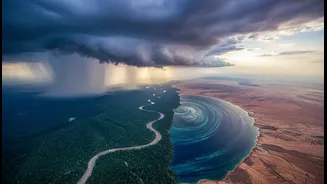
Beyond El Niño and the IOD, a whole cast of other characters influences the monsoon. The Madden-Julian Oscillation (MJO), an eastward-moving pulse of clouds and rainfall near the equator, can trigger active and break spells within the monsoon season. Atmospheric conditions over the Eurasian continent, the extent of snow cover in the Himalayas, and even dust from Middle Eastern deserts can play a role. Furthermore, long-term climate change is fundamentally altering the monsoon's behaviour. Experts note that while El Niño may reduce the number of rainy days, global warming is supercharging the atmosphere with moisture, leading to rains that are more intense and delivered in shorter, more extreme bursts.
The 2026 Monsoon: A Developing Story
As of early July 2026, these complex dynamics are playing out in real-time. Weak El Niño conditions are present in the Pacific and are forecast by global agencies like the WMO to strengthen over the coming months. This strengthening El Niño was cited as a reason for a nearly 40% rainfall deficit in June 2026. Meanwhile, the Indian Ocean Dipole is currently in a neutral phase, offering neither a helping hand nor a hindrance, though some models hint at a positive IOD developing later in the season. The India Meteorological Department (IMD) has forecast below-normal rainfall for July, taking these factors into account. However, a surge in early July brought heavy rains across many parts of the country, highlighting the monsoon's inherent variability and the fact that even within a season predicted to be drier, active spells can and will occur.