



A Surprising Sprinkle of Genius
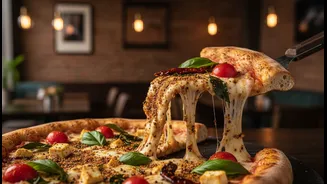
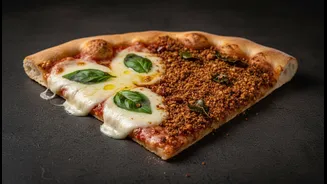
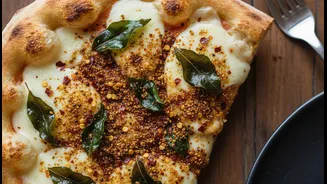
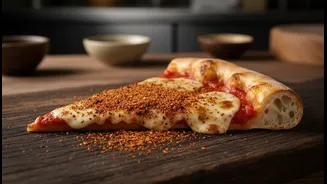
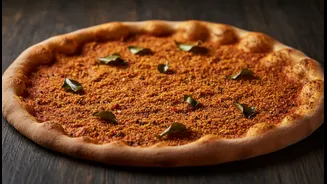
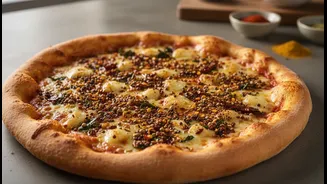
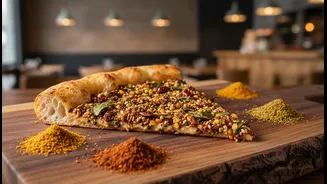
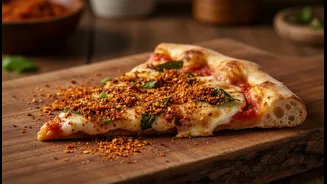
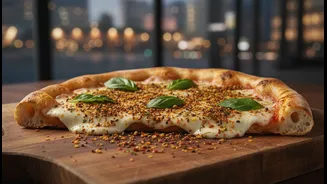
Across cafes in metro cities and on countless social media feeds, a new kind of pizza is grabbing attention. It shuns traditional oregano for a rustic, coarse, and intensely flavourful powder called podi. This sprinkle of so-called 'gunpowder' adds a crunchy,
nutty, and spicy kick that unexpectedly complements the familiar comfort of cheese and bread. Modern chefs and adventurous home cooks are increasingly using it to finish not just pizzas, but also pastas, avocado toast, and even hummus. While it might seem like just another fusion experiment, the logic is sound: podi acts as a finisher, a final seasoning that adds texture and a complex burst of flavour, much like a high-quality finishing salt or spice blend in other cuisines.
So, What Exactly is Podi?
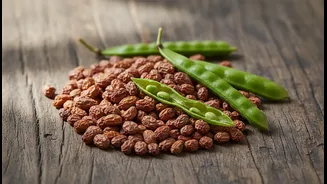
For the uninitiated, podi is a cherished staple in South Indian homes, particularly in Tamil Nadu, Andhra Pradesh, Telangana, and Karnataka. The word simply means ‘powder’ in several South Indian languages. It’s a dry spice mix made from a base of roasted lentils (like urad dal and chana dal), which are then ground with a variety of other ingredients such as dried red chillies, sesame seeds, cumin, and curry leaves. Traditionally, podi is mixed with sesame oil or ghee to form a coarse paste and served as an accompaniment to idlis and dosas, or simply mixed with hot rice for a quick, comforting meal. Far from being a single recipe, 'podi' represents a whole category of spice blends, with each family and region having its own signature version.
A Universe of Flavour in a Jar
The beauty of podi lies in its diversity. While Idli Podi (or milagai podi) is the most famous, there is a vast and delicious world to explore. Karuveppilai Podi, made with fragrant curry leaves, offers an aromatic, herbaceous flavour. Paruppu Podi, a milder blend of roasted lentils, is nutty and comforting, often a child's first introduction to the condiment. Then there's Ellu Podi with sesame seeds, Palli Podi made with peanuts, and even modern variations incorporating flax seeds for a nutritional boost. Some podis are seasonal, like the tangy Chinta Chiguru Podi made from tender tamarind leaves, available only for a few weeks a year. This vast repertoire is a testament to the hyperlocal nature of Indian cuisine, where recipes are built around seasonal availability and regional produce.
The Anatomy of Versatility
What makes podi so adaptable? The secret is in its construction, which one chef compares to building a perfume. It has a base note from roasted lentils or nuts that provides texture and an earthy foundation. It has middle notes from spices like cumin and pepper, and a top note from a hero ingredient like curry leaves or garlic. This layered approach creates a perfectly balanced flavour bomb. The roasting of each ingredient individually is a crucial step that unlocks deep, nutty flavours, while the coarse grind provides a satisfying crunch. This combination of complex flavour and texture in a convenient, shelf-stable powder makes it an incredibly effective way to elevate any dish, providing the satisfaction of a multi-spice recipe in a single sprinkle.
More Than Just a Food Trend
The journey of podi from a humble accompaniment for rice to a trendy pizza topping reflects a larger shift in how the world sees Indian food. Indian cuisine is increasingly being recognized for its regional diversity and complexity, moving beyond the standard fare of curries and naans. Chefs and food lovers are showing a newfound confidence, using traditional Indian ingredients in global formats without dilution. This isn’t about creating a muted 'fusion' dish; it’s about showcasing the power of a single, authentic ingredient in a new context. Sprinkling podi on pizza asserts that Indian flavours are not just for Indian dishes—they are a versatile part of the global culinary pantry.