






After two weeks of tense negotiations, the COP31 climate summit has ended in a familiar stalemate, failing to deliver a clear global agreement on the future of fossil fuels. What went wrong, and what does it mean for the world?
A Familiar Disappointment
The final gavel fell at
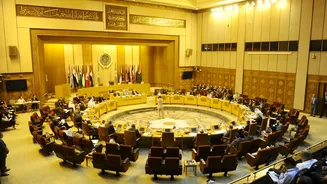
the COP31 summit in Antalya, Turkey, not with a bang, but with a weary sigh of resignation. For days, delegates from nearly 200 countries had been locked in marathon sessions, trying to hammer out a consensus on the single biggest driver of climate change: fossil fuels. Hopes were high that this year's summit would finally deliver a historic commitment to phase them out entirely. Instead, the final text was rejected after major players like the European Union and numerous climate-vulnerable nations argued it was too weak and failed to even mention fossil fuels. While some incremental progress was made in other areas, the failure to secure a strong, unified stance on oil, gas, and coal has left many climate scientists and activists feeling a profound sense of déjà vu. The world looked on, hoping for a turning point, but was met with a familiar impasse.
The Great Divide: Phase-Out vs. Phase-Down
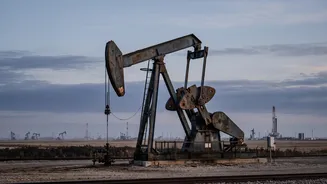
At the heart of the deadlock was a battle over two simple phrases: 'phase-out' versus 'phase-down'. On one side, a coalition of more than 100 countries, including the European Union and numerous small island states, pushed for a clear and binding commitment to 'phase-out' all fossil fuels. This would mean a definitive plan to end their use. On the other side, a group including major oil and gas producing nations like Russia and Saudi Arabia resisted this language. They instead advocated for the term 'phase-down', which implies a more gradual reduction rather than a complete stop. They also pushed to limit the scope to only 'unabated' fossil fuels, leaving a loophole for fuels used with carbon capture technology—a solution many experts argue is not yet viable or scalable enough to be a primary strategy. This linguistic battle represented a fundamental disagreement about the speed and scale of the energy transition.
India's Tightrope Walk
For India, the negotiations presented a familiar and complex challenge. As one of the world's fastest-growing major economies, India's energy needs are immense and currently met in large part by coal. New Delhi has consistently argued that the primary responsibility for historical emissions lies with developed nations. At the summit, India, speaking for the Like-Minded Developing Countries, questioned who exhausted the world's carbon budget and reiterated that calls for action must be matched with finance and technology transfer from wealthy countries. While expressing a willingness to engage despite reservations, India's core position is that each country must follow its own path based on national circumstances, prioritizing energy security and development. This stance placed India in a difficult position, aligning it with other developing nations demanding climate justice but also separating it from the hardline push for a total fossil fuel phase-out.
What Happens Now?
The lack of a strong agreement on fossil fuels does not mean the fight against climate change is over. The Paris Agreement's overarching goals remain the guiding star, but the path to achieving them just became significantly harder. Without a global consensus, the burden now shifts back to individual nations to accelerate their own transitions through national policies and investments. While COP31 failed on its main 'cover decision' for the first time since 2009, smaller agreements on issues like a 'just transition' framework and adaptation finance were reached. However, the core issue was kicked down the road to the next summit, COP32, increasing the pressure for a breakthrough and making the need for technological advances in renewable energy more urgent than ever. Many delegations left Antalya disappointed but resolute, arguing that rejecting a weak deal was better than accepting a false compromise.