






The Monsoon’s Delicate Dance
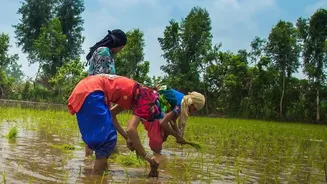
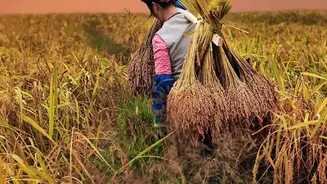
The Kharif season, which begins with the onset of the southwest monsoon in June, is the backbone of India's food supply. Crops like rice, soybean, maize, and cotton are sown during these months, and their success is almost entirely dependent on rain.
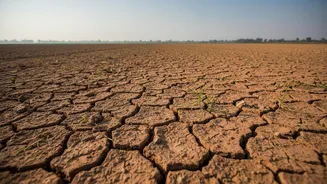
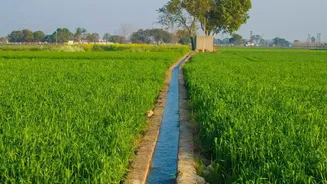
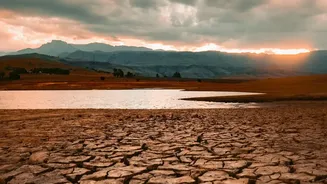
Unlike winter's Rabi crops, which often rely on irrigation, a vast majority of Kharif farmland is rain-fed. This makes the monsoon's performance a critical factor for the livelihoods of millions. However, a 'normal' monsoon forecast can be misleading. Long dry spells, or 'breaks', between periods of rain can be devastating, even if the seasonal total is met. One or two days of very heavy rain cannot compensate for weeks of dryness, which rapidly depletes soil moisture and stresses young plants.
Why Timing is Everything
Each crop has critical growth stages during which water stress is particularly damaging. For paddy (rice), the most water-intensive Kharif crop, adequate moisture is essential during the 'tillering' (when the plant produces new shoots) and 'panicle initiation' (grain formation) stages. A dry spell here can irreversibly stunt growth. Similarly, for soybeans, the reproductive phases—flowering (R1-R2), pod development (R3-R4), and seed fill (R5-R6)—are the most vulnerable periods. Water stress during these stages can lead to flower and pod abortion, resulting in fewer, smaller seeds and a drastically reduced yield. With many regions having completed sowing for 2026, crops are now entering these make-or-break phases where consistent moisture is paramount.
The 2026 Season: A Case Study
The 2026 monsoon has been a rollercoaster, highlighting this very issue. A significant rainfall deficit in June delayed sowing in many parts of the country. While a strong recovery in July helped close the sowing gap, the distribution remains a major concern. As of mid-August, many key agricultural districts, particularly for rice and soybean, continue to face rainfall deficits. Experts note that even as some areas receive showers, the overall monsoon trough is weakening, and August and September could see below-normal rainfall. This pattern of erratic rainfall—heavy downpours followed by prolonged dry spells—is exactly the scenario that threatens crop productivity, regardless of the all-India seasonal average.
The Ripple Effect on the Economy
The impact of poorly distributed rain extends far beyond the farm gate. Lower crop yields directly translate to lower farmer incomes, which in turn weakens rural demand for goods like tractors, two-wheelers, and other consumer products. This can create a significant drag on the broader economy. Furthermore, a shortfall in the production of essential staples and oilseeds can quickly lead to food inflation, affecting household budgets across the country. The Reserve Bank of India closely monitors the monsoon's performance, as weak agricultural output and rising food prices can influence its monetary policy decisions on interest rates. A weak monsoon can trigger a chain reaction, impacting everything from rural consumption to national inflation.
Looking Beyond the Clouds
While the immediate focus is on the monsoon's performance in the coming weeks, the recurring challenge of erratic rainfall highlights a deeper issue. India's agricultural sector has become more resilient over the decades, with expanded irrigation and comfortable grain stocks providing a buffer that didn't exist in the past. However, with nearly half of India's farmland still dependent on rain, vulnerability remains high. The unpredictable nature of the monsoon, exacerbated by climate change, underscores the growing need for climate-resilient agricultural practices, better water management, and more sophisticated crop insurance systems. Simply hoping for good rains is no longer a viable strategy for ensuring the nation's food security.