
Jalapão State Park: The Golden Desert Oasis
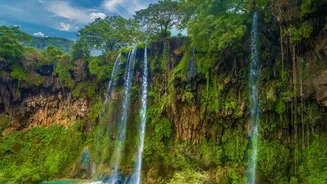
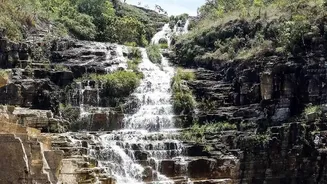
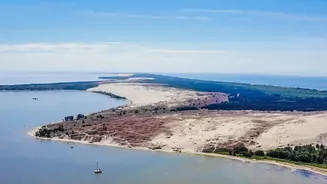
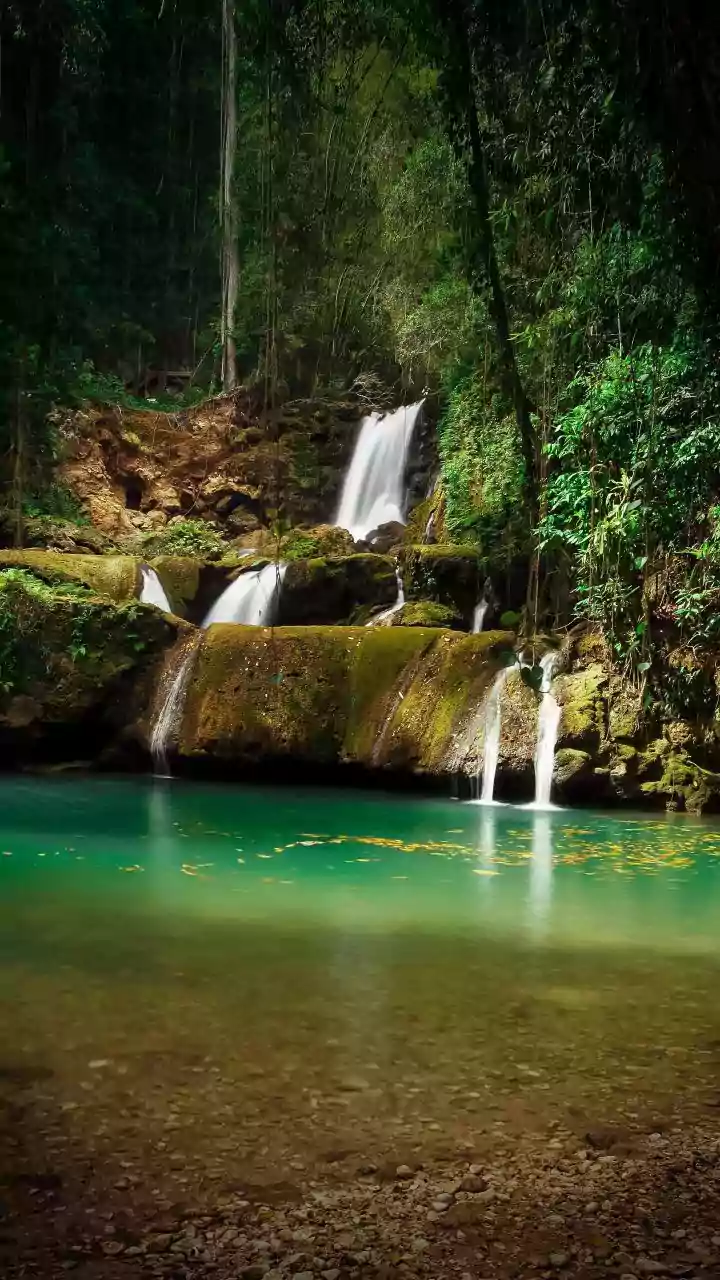
Imagine golden sand dunes up to 40 meters high, set against a backdrop of serrado savanna, punctuated by waterfalls and crystal-clear, bubbling springs called 'fervedouros'. This is Jalapão, a remote adventure destination in the state of Tocantins. The
fervedouros are a unique phenomenon; the pressure from the underground springs is so strong that you float effortlessly in the turquoise pools. The key to visiting is understanding its challenging access.Seasonal Context: The dry season, from May to September, is the only practical time to visit. During these months, the unpaved roads are more reliable, and the skies are generally clear. Visiting during the rainy season (October to April) is a gamble, with a high risk of impassable muddy roads.Local Access: Jalapão is not a casual road trip destination. Access requires a 4x4 vehicle and, almost universally, a tour booked with a local guide. Trips typically depart from Palmas, the capital of Tocantins, which is a four to six-hour drive from the park's gateway towns. There is no public transport into the park, and cell service is virtually non-existent, making a guided expedition the safest and most realistic option.
The Pantanal: The Ultimate Wildlife Safari
While the Amazon often gets the spotlight, seasoned wildlife enthusiasts know the Pantanal is South America's premier wildlife-spotting destination. As the world's largest tropical wetland, its open marshes offer far better visibility than the dense rainforest, making it a haven for spotting jaguars, capybaras, giant river otters, and hundreds of bird species.Seasonal Context: Timing is everything in the Pantanal. The dry season, roughly from June to November, is prime time. As water sources shrink, animals congregate around the remaining rivers and pools, making them much easier to see. The rainy season (December to March) floods over 80% of the landscape, causing wildlife to disperse and making travel extremely difficult.Local Access: The Pantanal is divided into a northern and southern region. The Northern Pantanal is accessed via Cuiabá, leading to the famous Transpantaneira Highway, a dirt road known for its incredible roadside wildlife viewing. The Southern Pantanal is reached from Campo Grande. In either case, the standard approach is to fly into one of these hub cities and then travel with a pre-booked lodge or tour operator, who will provide the necessary transport deep into the wetlands.
Alter do Chão: The Amazon's Caribbean
Forget the murky waters you imagine when you think of the Amazon. In Alter do Chão, the clear, blue waters of the Tapajós River meet brilliant white sand, creating stunning freshwater beaches that have earned it the nickname 'the Caribbean of the Amazon'. The most famous is Ilha do Amor, a sandy peninsula that emerges right in front of the laid-back village.Seasonal Context: The existence of these beaches is entirely seasonal. The dry season, from August to January, is the best and truly only time to experience them. From February onwards, the rainy season causes river levels to rise dramatically, and the beautiful beaches completely disappear underwater, transforming the landscape.Local Access: The gateway to Alter do Chão is the city of Santarém, which has an airport (STM) receiving flights from major Brazilian hubs. From Santarém, it is a straightforward 35-kilometre taxi or bus ride to the village. Once there, most exploration of other nearby beaches and forests is done by small boat, which can be easily hired from local operators.
Serra da Capivara: A Prehistoric Art Gallery
A UNESCO World Heritage site since 1991, Serra da Capivara National Park holds the largest concentration of prehistoric rock art in the Americas, with some paintings dating back over 10,000 years. Despite its immense archaeological importance, this spectacular landscape of canyons and caatinga (semi-arid scrubland) in the state of Piauí remains one of Brazil's best-kept secrets.Seasonal Context: While open year-round, the dry season from May to October is recommended for more comfortable hiking conditions and reliable weather. Temperatures are high throughout the year, so early morning excursions are advised to avoid the midday heat.Local Access: Reaching the park is a commitment. The nearest major airports are in Petrolina and Teresina, both several hundred kilometres away. A small airport in São Raimundo Nonato (NSR) offers limited flights and is the closest option. Regardless of how you arrive in the region, visiting the park itself is highly regulated; hiring an accredited local guide is mandatory for entry. Guides can be arranged in advance through hotels in the gateway towns of São Raimundo Nonato or Coronel José Dias.
Ilha do Mel: The Car-Free Honey Island
Just off the coast of Paraná state lies Ilha do Mel, or 'Honey Island', an eco-paradise where development is strictly limited and no cars are allowed. Life here moves at the pace of foot traffic and bicycles, with sandy trails connecting rustic pousadas, quiet beaches, and the historic Conchas Lighthouse. It’s a true escape from the noise of the mainland.Seasonal Context: Unlike destinations with strict wet and dry seasons, Ilha do Mel can be enjoyed year-round. The summer months (December to March) are the warmest and most popular, perfect for swimming and surfing. The off-season offers a quieter, more tranquil experience, though with cooler temperatures.Local Access: The closest major city is Curitiba. From there, you can drive or take a bus to one of two ferry terminals: Pontal do Sul or Paranaguá. The boat crossing from Pontal do Sul is shorter, taking about 30 minutes. Once you arrive on the island, all transportation is on foot, as vehicles are prohibited, preserving the island's serene atmosphere.