



Welcome to the Abode of Clouds
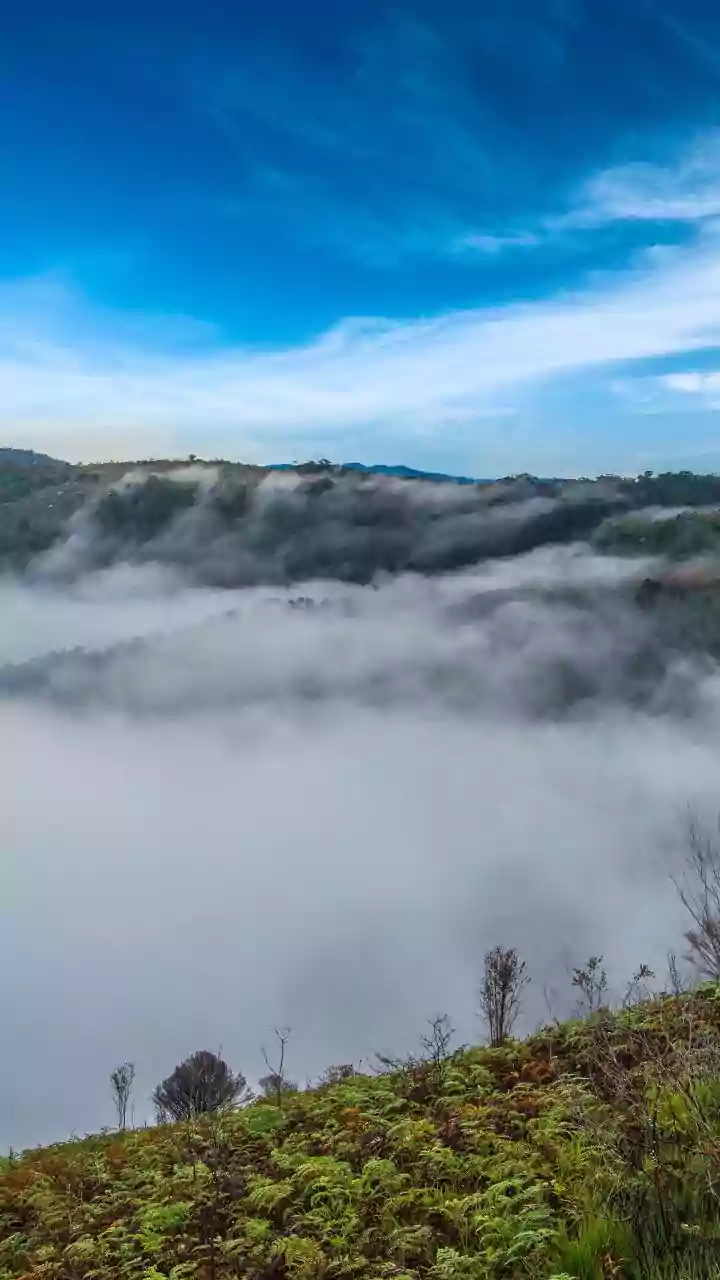
Tucked away in northeastern India, the state of Meghalaya—a name that translates from Sanskrit to “abode of clouds”—more than lives up to its title. This is home to Mawsynram, a village that holds the Guinness World Record for the highest average annual
rainfall on Earth. Its nearby cousin, Cherrapunji, often competes for the same title. For Americans accustomed to seeking sun on vacation, the idea of intentionally traveling to the wettest place on the planet might seem strange. But to think of Meghalaya as just 'rainy' is to miss the point entirely. Here, the monsoon isn't an inconvenience; it's the architect of a breathtakingly unique landscape and a way of life found nowhere else.
A World Shaped by Water
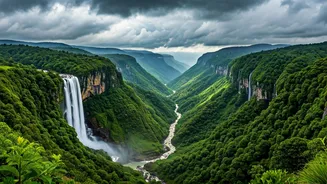
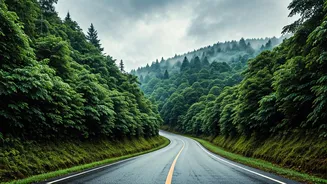
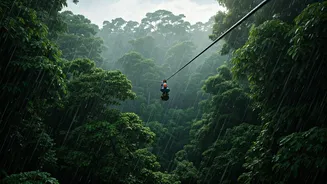
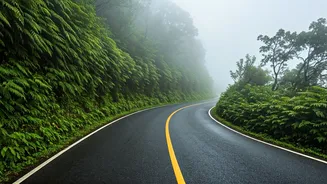
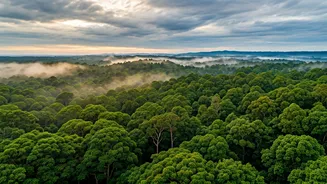
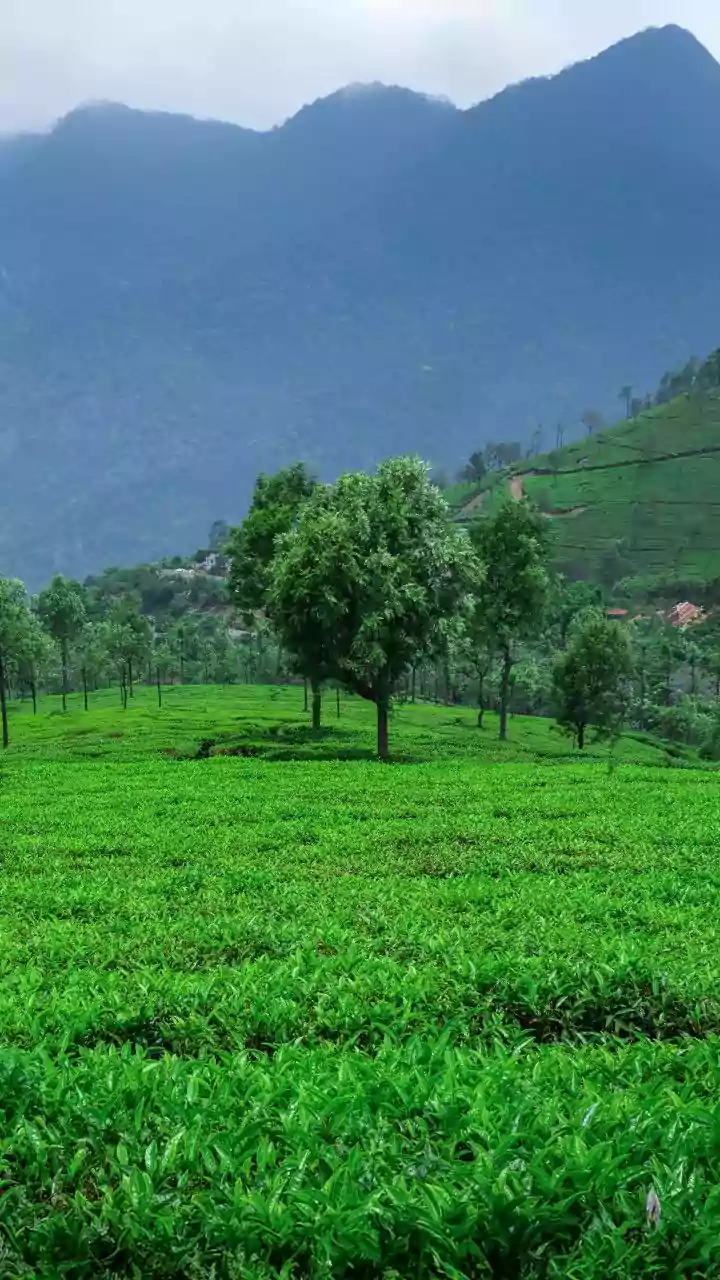
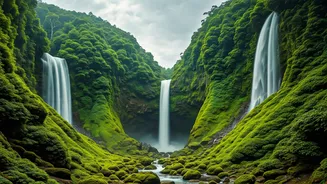
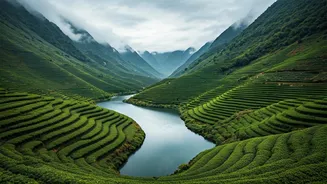
The constant precipitation feeds a vibrant, almost impossibly lush ecosystem. The air is clean, cool, and thick with the scent of wet earth and blooming flora. Waterfalls don't just trickle; they roar, plunging hundreds of feet from jungle-clad cliffs into turquoise pools below. The soundscape is a symphony of dripping leaves, rushing streams, and the distant thunder of cascades. This isn’t the dreary, gray drizzle of a city in winter. This is life-giving, world-sculpting rain that has carved deep gorges, filled vast cave systems, and fostered a deep connection between the indigenous Khasi people and their environment. The rain washes the world clean each day, leaving behind a sparkling, emerald-green canvas.
Walking on Living Bridges
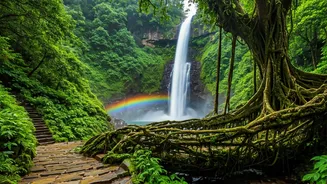
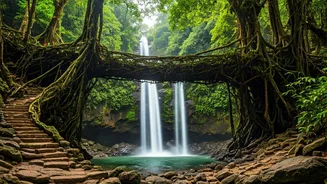
Perhaps the most iconic symbol of Meghalaya's ingenuity is its network of living root bridges. For centuries, the Khasi and Jaintia peoples have guided the thick, pliable roots of rubber fig trees across rivers and ravines, weaving them together over years and even decades to form sturdy, living structures. Unlike a wooden or steel bridge that decays over time, these root bridges only grow stronger as they age. To walk across one is a surreal experience. You're not just crossing a bridge; you're walking on a living organism, a testament to patience and a harmonious relationship with nature. The most famous of these, the Umshiang Double-Decker Root Bridge, is a marvel of natural engineering that feels like a scene straight out of a fantasy epic.
Chasing Waterfalls and Exploring Caves
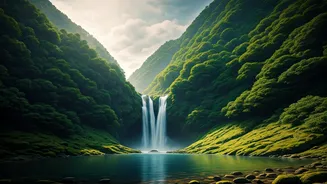
Beyond the bridges, Meghalaya is a playground for amateur explorers. The state is dotted with some of India’s most spectacular waterfalls. Nohkalikai Falls, one of the tallest plunge waterfalls in the country, is a dramatic sight, dropping over 1,100 feet from a verdant plateau. The Seven Sisters Falls offers a panoramic view of multiple cascades flowing side-by-side. For those willing to go underground, the region boasts some of the longest and most complex cave systems in Asia. Mawsmai Cave, near Cherrapunji, is illuminated and accessible to tourists, offering a fascinating glimpse into the subterranean world of stalactites and stalagmites, all carved by the same water that defines the world above.
How to Experience the Magic
Visiting Meghalaya is more accessible than you might think. The most common route is to fly into Guwahati Airport (GAU) in the neighboring state of Assam, a major hub with connections to Delhi and Mumbai. From there, it’s a scenic three- to four-hour drive to Shillong, Meghalaya's charming capital. Deciding when to go depends on what you want to see. For the full 'rain paradise' experience, with waterfalls at their most powerful and the landscape at its greenest, travel during the monsoon months from June to September. If you prefer clearer skies for trekking and better road conditions, the post-monsoon period from October to April is ideal, though the waterfalls will be less dramatic. Either way, you'll be stepping into a world that feels a world away from the everyday.