



From Spectator to Participant
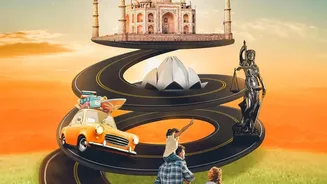
For years, tourism in India was often about visiting a destination and then, perhaps, exploring its culture as an afterthought. That model is flipping. A growing number of Indian travellers are now planning their entire trips around cultural events, prioritising
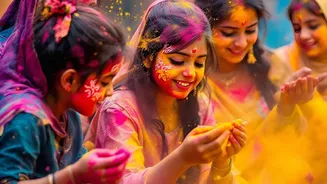
the experience over the destination itself. Recent reports show a significant majority of travellers, some studies say as high as 84%, have a greater interest in culture-led travel within India than in previous years. This isn't just about watching a parade; it's about a desire for immersion, participation, and a connection to traditions that feel real and un-staged. Travellers are chasing a sense of community and the emotional resonance that comes from a shared cultural moment.
The Allure of the Hyperlocal
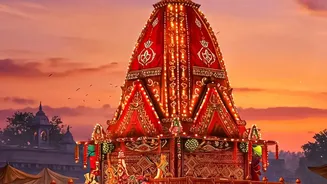
While major events like Durga Puja and Ganesh Chaturthi still draw huge crowds, the real story is the growing curiosity in what lies beyond the established tourist circuit. One in four travellers is now intentionally venturing into Tier II and Tier III towns to find these cultural gems. They are seeking out experiences like Nagaland’s Hornbill Festival, which sees a massive spike in visitors in December, or the Rann Utsav in Gujarat, which brings the white desert to life with folk performances and crafts. This trend is about discovering the unique cultural fabric of a region, whether it's the boat races of Onam in Kerala, the rural games at the Pushkar Mela, or the tribal dances of Assam. These events offer a snapshot of life unfolding as it always has, not as a performance for tourists.
What’s Driving the Shift?
Several factors are fuelling this change. Younger travellers, in particular, report fatigue with 'seen-it-on-Instagram' itineraries and are actively seeking deeper meaning. The rise of shorter, more frequent 'micro-vacations' also makes weekend festival trips an attractive option. Modern consumers increasingly see travel as a way to create memories and personal stories, valuing these experiences over material purchases. This is a move from passive tourism to active participation, where the goal is to return with more than just photos—to come back with a new perspective or a deeper connection. The decision-making process has fundamentally changed: it's no longer 'where should I go?' but 'what do I want to experience?'.
A Boost for Local Economies
This shift has a powerful economic ripple effect. When travellers choose smaller, community-based festivals, their spending is more likely to directly benefit the local population—from guesthouses and local artisans to food vendors and performers. This model of tourism helps disperse visitor spending beyond traditional resort areas and into rural communities that need it most. Festivals can become powerful engines for local development, creating employment, supporting small businesses, and providing a platform for communities to showcase their unique heritage with pride. It creates a sustainable cycle where tourism helps preserve the very culture that attracts visitors in the first place.
The Road Ahead
The growing focus on hyperlocal festivals points to a more conscious and intentional Indian traveller. They are seeking journeys with personal purpose. This presents both an opportunity and a responsibility for the tourism industry. Destinations can no longer rely solely on famous landmarks; they must curate and protect the unique cultural ecosystems that make them special. While social media helps spread the word about these hidden gems, it also brings the risk of over-tourism. The key will be to manage this growing interest sustainably, ensuring that these authentic cultural celebrations can thrive for generations to come, benefiting both the visitor and the host community.