



The Ghost Pepper's Allure
Once famous mainly for its formidable heat, the Bhut Jolokia, or ghost pepper, is now being celebrated for its complex flavour. Native to Northeast India, this chilli held the Guinness World Record for the world's hottest in 2007, boasting over a million
Scoville Heat Units. But to focus only on its fire is to miss the point. Chefs have discovered its unique fruity, smoky, and slightly sweet undertones that, when used judiciously, can elevate a dish rather than simply overpower it. This nuanced profile makes it a surprisingly versatile ingredient in a modern kitchen. Instead of being a dare, it's now a tool for building layers of flavour, transforming everything from marinades and dips to sauces and even desserts into something truly memorable.
The Umami Magic of Fermentation
Alongside the Bhut Jolokia, a host of fermented pastes from the region are making their way onto modern menus. Ingredients like 'Axone' or 'Akhuni' from Nagaland and 'Tungrymbai' from Meghalaya are introducing a new dimension of flavour to the urban palate. These pastes, typically made from soybeans, undergo a process of fermentation that creates a deeply savoury, pungent, and umami-rich profile, often compared to Japanese natto or Korean chungkook-jang. For generations, these have been staples in Northeastern homes, used to enrich curries, stews, and chutneys. As the global culinary world embraces fermented foods for their complexity and gut-health benefits, Indian chefs are finding inspiration in their own backyard, using these pastes to add an unmistakable depth that salt or spices alone cannot provide.
From Home Kitchens to Café Plates
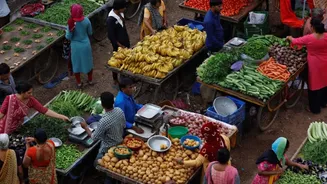
The journey of these ingredients from remote villages to bustling city cafés is part of a larger movement towards celebrating India's regional culinary diversity. For years, many high-end restaurants prioritized imported ingredients. Now, a new generation of chefs is looking inward, championing local produce and traditional techniques with renewed confidence. This shift is driven by a growing diner curiosity for authentic and unique flavours. Pop-up events by chefs specializing in Northeastern food have played a crucial role, introducing these tastes to a wider audience in cities like Mumbai, Delhi, and Bengaluru. These events act as a bridge, showing how traditional flavours can be presented in an approachable, contemporary format that fits perfectly within a café setting.
Reinventing the Urban Menu
So how exactly are these ingredients being used? The applications are as creative as they are delicious. A café might feature a sandwich with a mayonnaise infused with a hint of Bhut Jolokia for a smoky kick. You could find sliders with patties glazed in a sauce made from fermented soybean paste, adding a powerful umami punch. Some chefs are creating dips and chutneys that pair these bold flavours with creamy bases to make them more accessible. Think a fiery ghost pepper hummus or a savoury Axone-based dip served with fries or vegetable sticks. The goal is not to replicate traditional dishes exactly, but to use the essence of these ingredients to create something new and exciting that still honours their origin.
More Than Just a Passing Trend
This embrace of Northeastern ingredients is more than just a fleeting trend; it represents a fundamental shift in modern Indian gastronomy. It signifies a move away from a monolithic idea of "Indian food" towards a more nuanced appreciation of the country's vast and varied culinary map. By incorporating ingredients like Bhut Jolokia and fermented pastes, chefs are not only expanding their flavour toolkit but also telling a story about heritage, sustainability, and regional pride. It connects urban diners with agricultural traditions and foodways from a region whose cuisine has long been underrepresented on the national stage. This movement is about celebrating authenticity and giving indigenous ingredients the spotlight they have always deserved.