








Why Your Diet Needs a Monsoon Makeover
As the skies open up, the environment becomes damp and cool, which, according to Ayurveda, can disrupt our body's balance. This season is known to aggravate the Vata dosha (associated with air and space), leading to issues like indigestion, gas, and joint
pain. Furthermore, the digestive fire, or 'Agni', is considered to be at its weakest during the monsoon. This makes it harder for our bodies to break down heavy foods, increasing the risk of stomach infections and lethargy. The goal of a monsoon diet is simple: to support your digestive system, boost immunity, and keep your body light and warm to counteract the dampness of the season.
Embrace Light and Cooked Vegetables
While fresh salads are a summer staple, the monsoon calls for cooked foods. Raw vegetables can carry germs and bacteria that thrive in the damp weather. Instead, turn to seasonal vegetables that are easy to digest. Gourds are your best friends this season. Think lauki (bottle gourd), tinda (apple gourd), parwal (pointed gourd), and karela (bitter gourd). These vegetables are light on the stomach and have a high water content, which helps in hydration. Steaming or sautéing them with minimal spices is the ideal way to prepare them. It's also wise to thoroughly wash all vegetables with salt water or a vinegar solution before cooking to ensure they are clean.
The Power of Spices and Herbs
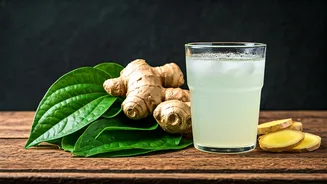
Indian kitchens are already treasure troves of healing spices, and their power is most needed during the monsoon. Turmeric (haldi) is a potent antiseptic and anti-inflammatory agent that should be a staple in your daily cooking. Ginger (adrak), whether in your morning tea or curries, is brilliant for digestion and fighting off colds. Garlic (lehsun) is known for its strong antiviral and antibacterial properties, making it an excellent addition to soups and dals. A pinch of black pepper (kali mirch) not only adds flavour but also helps in the absorption of nutrients and clears up congestion. These natural wonders are your first line of defence against seasonal illnesses.
Choose Your Grains and Pulses Wisely
Heavy grains can be a burden on a weak digestive system. During the monsoon, opt for older, lighter grains like barley (jau), oats, and brown rice. Moong dal is particularly celebrated in Ayurveda as the most easily digestible pulse, making it perfect for this season. A simple moong dal khichdi, cooked with a dollop of ghee and some light spices, is the ultimate comfort food that nourishes without overwhelming your system. Avoid heavy-to-digest pulses like chana dal and rajma, or consume them in moderation during lunchtime when your digestion is strongest.
Foods and Habits to Approach with Caution
Just as important as what to eat is what to avoid. Steer clear of street food, especially fried items like pakoras and samosas, as the high humidity makes them harder to digest and increases the risk of contamination. Limit your intake of leafy green vegetables like spinach and cabbage, as they can be laden with mud, dirt, and germs during the rainy season. If you must have them, ensure they are meticulously cleaned and cooked. Dairy products like cheese and heavy creams can also be difficult to digest. Opt for buttermilk (chaas) or yoghurt instead, which contain probiotics that support gut health. Lastly, avoid cold and refrigerated foods and drinks, as they can further dampen your digestive fire.
Hydration with a Warm Twist
It might seem counterintuitive to focus on hydration when it's raining outside, but it remains crucial. However, instead of cold water, switch to warm or boiled water throughout the day. This helps improve digestion and flushes out toxins. Herbal teas are another fantastic way to stay hydrated while reaping health benefits. A simple concoction of boiled water with ginger, tulsi, and a little honey can work wonders for your throat and immunity. A classic kadha, a blend of traditional Indian spices, is an excellent preventative measure to keep coughs and colds at bay. Drink these warm beverages to feel comforted and protected from within.