


The Meaning of Responsible Trekking
Before lacing up your boots, it's crucial to understand what 'responsible travel' truly means in the mountains. It's more than just not littering; it's a commitment to preserving the fragile Himalayan ecosystem and supporting the communities who call
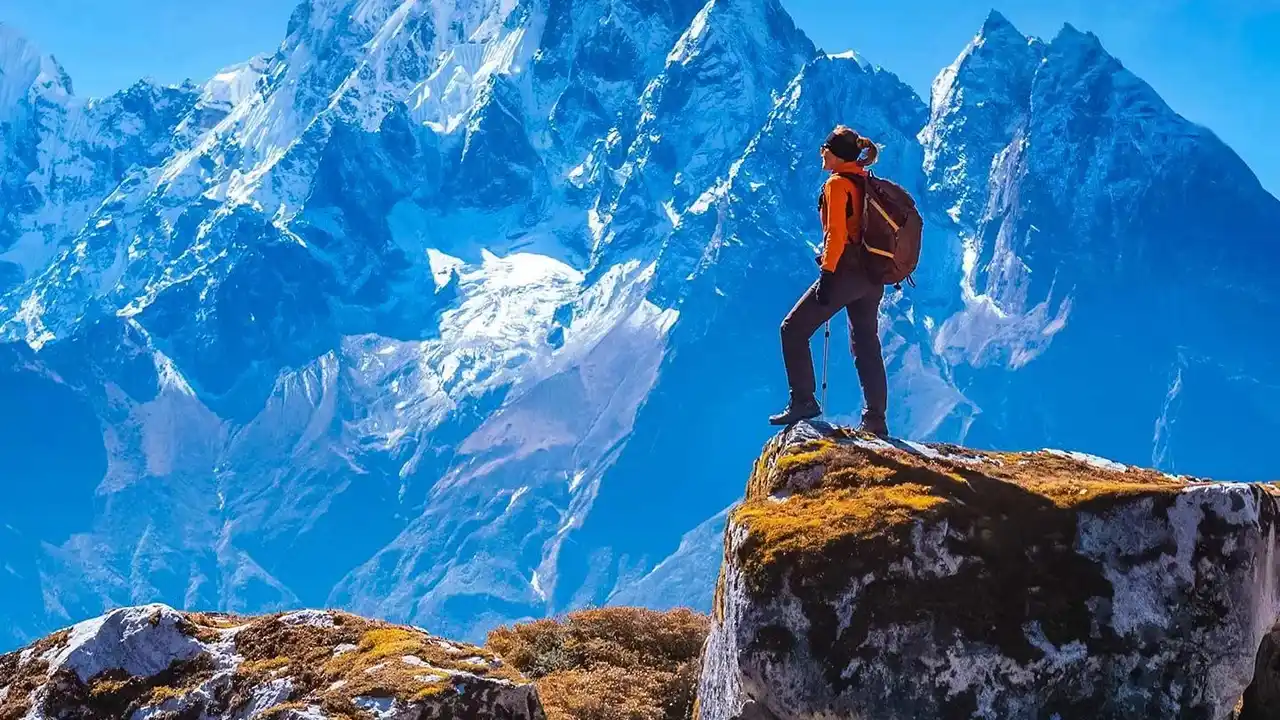
it home. This involves choosing operators who provide fair wages and safe conditions for their staff, respecting local culture by asking permission before taking photos, using resources like water thoughtfully, and adhering to the core principle of 'Leave No Trace'. This means packing out everything you pack in—including wrappers and food scraps—and sticking to marked trails to protect delicate vegetation. A responsible trekker leaves the mountains as pristine as they found them, ensuring these landscapes can be enjoyed for generations to come.
Kedarkantha Trek, Uttarakhand
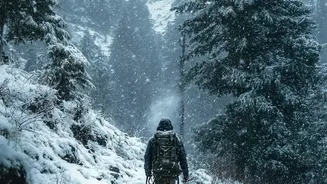
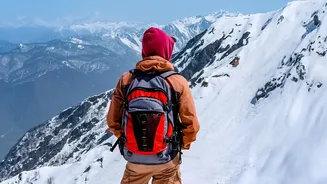
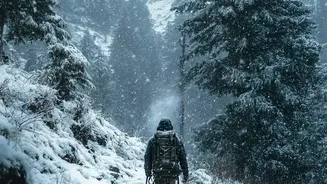
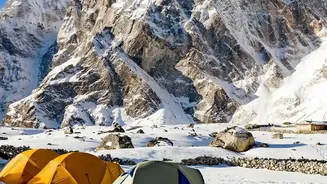
Often called the 'Queen of Winter Treks', Kedarkantha is one of the most popular choices for a reason, especially for first-timers. This six-day trek, starting from the village of Sankri, covers about 20 km and ascends to a summit of 12,500 feet. The trail winds through dense pine and oak forests, past the frozen lake of Juda Ka Talab, and opens up to stunning campsites under the snow. The final summit climb rewards trekkers with breathtaking 360-degree views of Himalayan giants like Swargarohini and Bandarpoonch. Its manageable difficulty and classic snow-trek experience make it an ideal guided adventure. Several initiatives also focus on cleanliness and eco-tourism along this popular route.
Brahmatal Trek, Uttarakhand
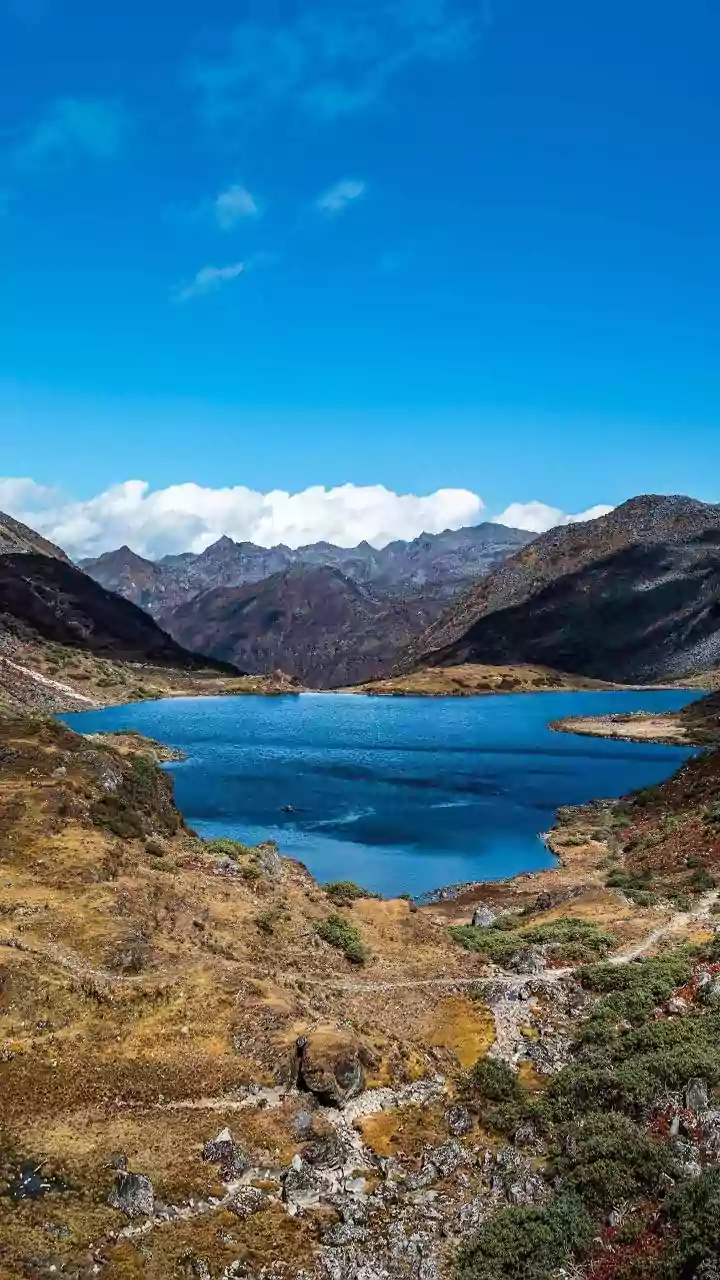
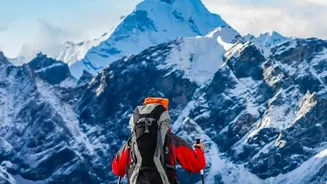
For those seeking spectacular mountain views, the Brahmatal Trek is a top contender. This six-day journey starts from Lohajung and is renowned for its panoramic vistas of Mt. Trishul and Nanda Ghunti. The trail, graded easy-to-moderate, takes you through enchanting forests of rhododendron and oak, leading to two high-altitude lakes: Bekaltal and the eponymous Brahmatal. In winter, both lakes are often frozen, and the trail is covered in a deep layer of snow, creating a surreal landscape. Reaching an altitude of around 12,250 feet, the trek is suitable for beginners with a good fitness level and offers a generous reward of scenery for the effort.
Dayara Bugyal Trek, Uttarakhand
If your dream of a winter trek involves vast, undulating meadows blanketed in pristine snow, Dayara Bugyal is the perfect choice. Considered one of the most beautiful high-altitude meadows in India, this trek is particularly suited for beginners and families. The trail is gentle, with gradual ascents through quiet forests of oak and rhododendron before opening up to the expansive 'bugyal' (meadow). In winter, this landscape transforms into a vast white carpet, with views of Mt. Bandarpoonch and other peaks. Typically a four- to six-day trek, it offers a serene and accessible experience of the Himalayan winter without exceptionally strenuous climbs.
Chadar Trek, Ladakh
The Chadar Trek is not for the faint of heart; it's a challenging expedition-style trek for experienced adventurers. The name 'Chadar' means 'sheet', referring to the blanket of ice that forms over the Zanskar River in the peak of winter. For a few weeks, typically from mid-January to mid-February, it's possible to walk on the frozen river through a dramatic gorge. This is a serious undertaking in extreme conditions, with night temperatures dropping to -30°C or lower. Trekkers must acclimatise in Leh for several days and pass a mandatory medical check before being allowed on the ice. Due to its difficulty and the impact of climate change making the ice less predictable, it is essential to go with a highly reputable, registered local operator.
How to Choose a Guided Trek Operator
The company you choose is as important as the trek itself. A responsible operator is your safety net in the mountains. Start by checking for official registration with the Ministry of Tourism or memberships in industry bodies like the Adventure Tour Operators Association of India (ATOAI). Prioritise companies that are transparent about costs, itineraries, and safety protocols. Ensure their trek leaders are certified in mountaineering and wilderness first-aid (WFR). Good operators will also have a clear policy on environmental conservation, practice 'Leave No Trace' principles, ensure fair treatment of their local staff, and often prefer smaller group sizes for a more intimate and lower-impact experience.