





An Authentic Connection
Unlike the impersonal nature of a hotel chain, a homestay invites you directly into the life and home of a local family. This form of community-based tourism provides a genuine cultural exchange that sterile hotel corridors simply cannot match. You aren't
just a tourist; you are a guest. Conversations flow over cups of butter tea, you learn the stories behind the food on your plate, and you witness the daily rhythms of mountain life. This fosters a real connection with the people and the place, turning a simple vacation into a memorable, immersive experience that directly benefits your hosts.
Designed for Natural Warmth
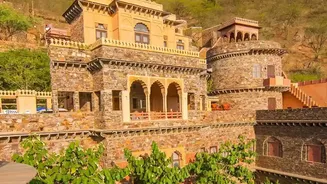
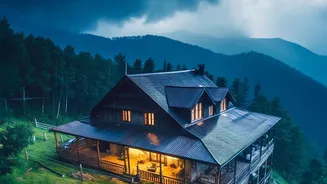
Long before modern central heating, traditional Himalayan architecture perfected the art of staying warm. These homes are marvels of climate-responsive design, built using locally sourced materials like stone, timber, and mud that are ideal for the environment. Thick stone or rammed-earth walls provide excellent thermal mass, absorbing the sun's heat during the day and slowly releasing it at night. Smaller windows are strategically placed to minimize heat loss, while sloping roofs are designed to shed snow and rain. In many homes, the kitchen, often with its traditional 'bukhari' (wood-burning stove), serves as the warm heart of the house, creating a cozy gathering spot that is both functional and welcoming. Some designs even incorporate the lower level for sheltering animals, whose body heat naturally rises to warm the living spaces above.
A Genuinely Sustainable Choice
In an era of increasing concern over the ecological footprint of travel, homestays represent a more sustainable path forward. By utilizing existing homes, they avoid the immense carbon cost associated with constructing new hotels. The reliance on local materials for construction and maintenance further reduces their environmental impact. Homestays typically generate less waste, often manage resources like water more carefully, and source their food from their own gardens or the immediate community. This not only ensures fresh, organic meals for guests but also supports local farmers and reduces 'food miles'. Choosing a homestay is a conscious decision to travel lightly and preserve the fragile mountain ecosystems for generations to come.
Empowering Local Economies
When you stay in a hotel, a large portion of your money often leaves the local area to reach corporate headquarters. With a homestay, your expenditure directly empowers the host family and the surrounding community. This income provides a crucial supplement to traditional agrarian livelihoods, which are often precarious in harsh mountain environments. It creates opportunities, especially for women, who frequently manage the homestays, and helps prevent the migration of young people to cities in search of work. This model of tourism ensures that the economic benefits are distributed at a grassroots level, fostering self-sufficiency and helping to preserve the region's cultural heritage.
Why November Is the Ideal Time
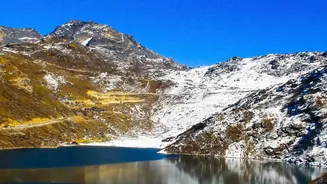
November in the Indian Himalayas is a magical window. The monsoon rains have passed, leaving the skies exceptionally clear for stunning, unobstructed views of the peaks. The air is crisp and invigorating, but the heavy snows of deep winter have not yet arrived in most popular destinations, making travel and sightseeing comfortable. It's a quieter period for tourism than the peak summer months or the festive rush of December, allowing for a more peaceful experience. This combination of clear weather, manageable temperatures, and fewer crowds makes it the perfect time to settle into the cozy warmth of a traditional homestay and enjoy the golden autumn light on the mountains.