

Why Less Water is More During Monsoon
It seems counterintuitive, but the biggest mistake gardeners make is sticking to their summer watering schedule. During the monsoon, high humidity, reduced sunlight from cloudy skies, and lower temperatures mean plants use and evaporate far less water.
The air is already saturated with moisture, and photosynthesis slows down on overcast days. As a result, the soil stays wet for much longer. Adding more water when the soil is already damp suffocates the roots, preventing them from absorbing oxygen and leading to a host of problems.
The Finger Test: Your Most Reliable Tool
Forget watering on a fixed schedule. Your new mantra should be: check first, then water. The most effective way to do this is the simple finger test. Poke your finger about one to two inches into the topsoil. If the soil feels moist, do not water, even if it has been a few days. Wait until the top layer feels dry to the touch. This simple habit is the single most important step to prevent overwatering and the deadly root rot that often follows.
Improve Drainage to Prevent Waterlogging
Good drainage is your plant's best friend during the monsoon. The number one killer of potted plants this season is waterlogged soil. Ensure every pot has clear, unobstructed drainage holes at the bottom. If you're repotting, use a well-draining potting mix. A good combination is equal parts garden soil, coco peat, and coarse sand or perlite, with a handful of compost. Avoid using heavy, clay-rich garden soil on its own, as it compacts and retains too much water. You can also place pots on bricks or stands to allow excess water to escape freely and prevent them from sitting in puddles.
Know the Warning Signs of Overwatering
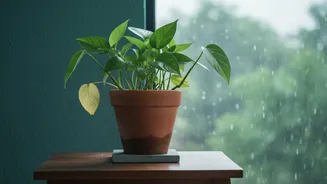
Your plants will tell you when they are in distress. One of the most common signs of overwatering is yellowing leaves that feel soft or limp, not dry and crispy. You might also see leaves wilting even when the soil is wet, which indicates the roots are suffocating and can no longer absorb water. Other red flags include a mushy stem base, leaves dropping prematurely, and the growth of fungus or mould on the soil's surface. A foul, rotten smell from the pot is a clear sign of root rot, which requires immediate intervention.
Beyond Watering: Holistic Monsoon Care
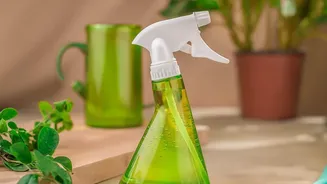
While watering is critical, other adjustments are also necessary. Improve air circulation by avoiding overcrowding plants; this helps prevent the fungal infections that thrive in damp, humid conditions. Regularly prune any yellow, broken, or diseased leaves to stop infections from spreading and to help the plant breathe. The monsoon is also a prime time for pests like slugs and snails. Keep an eye out for them and consider using natural deterrents like neem oil spray every 10-15 days. Finally, go easy on the fertiliser. Nutrients can wash away with heavy rain, but applying chemical fertilisers to already wet soil can burn the roots. Stick to organic options like vermicompost or compost during dry spells.