

The Myth of the Air-Purifying Plant
You've likely seen the articles and social media posts celebrating certain plants as 'air-purifying powerhouses'. This idea largely stems from a 1989 NASA study which found that some common houseplants could remove chemical toxins from the air in a sealed
chamber. While scientifically valid, these results don't translate effectively to a typical home. Our houses are not small, sealed labs; they have natural and mechanical ventilation that exchanges air constantly. To replicate NASA's results, you would need an absurd number of plants—some estimates suggest anywhere from 10 to 1,000 plants per square metre—to notice a significant difference in air quality. While plants do absorb some compounds and release oxygen, their effect on indoor air pollution is minimal compared to simply opening a window or using an air purifier. The real benefit of plants is their beauty and the sense of well-being they bring, not their ability to single-handedly clean your air.
Start by Assessing Your Light
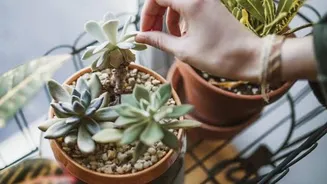
The single most important factor for a healthy plant is light. Before you even think about a plant's name, look at the space you want to put it in. Light is a plant's food, and without the right amount, it cannot survive. Indoor lighting is generally broken down into three main categories. 'Low light' doesn't mean a windowless room; it means a spot that receives no direct sun and is often several feet from a north-facing window. 'Bright, indirect light' is the sweet spot for most tropical houseplants. It’s a brightly lit area that doesn't get hit by harsh, direct sun rays, such as near an east-facing window or a few feet back from a south or west-facing one. 'Direct light' means the sun's rays are hitting the plant's leaves for several hours a day, which is only suitable for sun-loving plants like cacti and some succulents. Observe a spot throughout the day to understand what kind of light it truly gets before you go shopping.
Be Honest About Your Care Style
After light, the next consideration is you. How much attention are you willing to give your plant? Are you someone who forgets to water for weeks, or do you tend to love your plants to death with too much water? Be honest with yourself. If you're forgetful, a drought-tolerant plant that prefers its soil to dry out is a perfect match. If you're an over-nurturer, you might need a plant that likes consistently moist soil. Don't forget to consider drainage; a pot with holes at the bottom is non-negotiable for most plants, as it prevents water from stagnating and causing root rot. Choosing a plant that fits your natural tendencies is far more sustainable than trying to change your habits to suit a demanding plant.
Great Choices for Lower Light
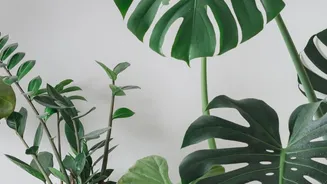
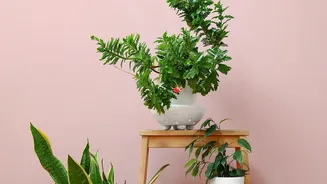
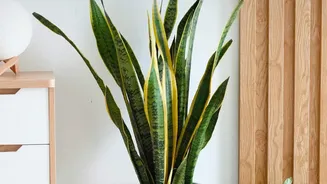
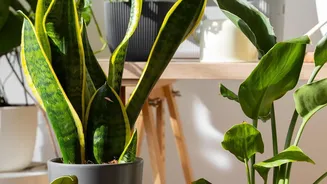
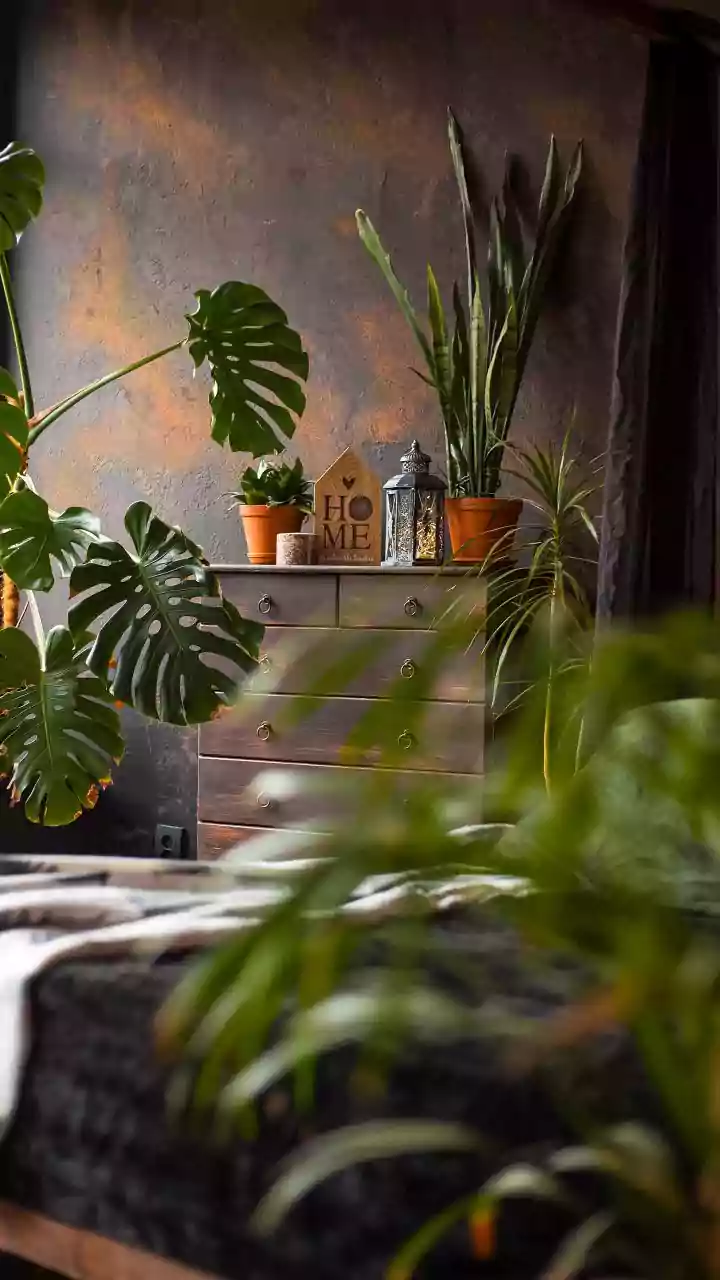
If you have a corner that could use some greenery but doesn't get a lot of sun, you're in luck. Many beautiful and resilient plants are adapted to lower-light conditions. The Snake Plant (Sansevieria) is a classic for a reason; its upright, architectural leaves look great anywhere and it famously thrives on neglect. Another fantastic option is the ZZ Plant (Zamioculcas zamiifolia), with its glossy, dark green leaves. It requires very little water and is perfectly happy in a dim corner. Finally, the Money Plant or Pothos (Epipremnum aureum) is an incredibly versatile and forgiving choice. Its trailing vines can be trained up a wall or left to hang from a shelf, and it will let you know when it's thirsty with a slight droop.
Thriving in Bright, Indirect Light
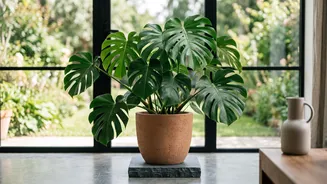
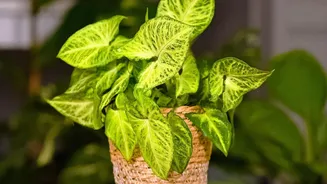
For those spots blessed with plenty of light but no harsh sun, the options are even more extensive. The Spider Plant (Chlorophytum comosum) is an easy-care classic that produces 'pups' you can propagate. The Rubber Plant (Ficus elastica) offers a bold statement with its large, dark leaves and is relatively straightforward in its needs. Many types of Philodendron also thrive in these conditions, offering a huge variety of leaf shapes and colours. These plants are generally robust and grow steadily, giving you that lush, jungle-like feel without the high-maintenance attitude of some of their trendy cousins.
A Word on 'Difficult' Plants
You might be drawn to some of the stunning plants popular on social media, like the Fiddle Leaf Fig (Ficus lyrata) or a Calathea with its patterned leaves. While beautiful, these plants are often considered 'difficult' for a reason. They tend to be highly sensitive to changes in light, water, and humidity. A Fiddle Leaf Fig might drop its leaves if you move it, while a Calathea can develop brown, crispy edges if the air is too dry. This doesn't mean you should never own one, but it's important to understand their specific, often demanding, needs before you buy. For a beginner, starting with an easier plant is a great way to build confidence and learn the basics of plant care first.