




The Nutritional Showdown
When it comes to nutrition, quinoa puffs take a decisive lead. Quinoa is a complete protein, meaning it contains all nine essential amino acids, which is rare for a plant-based food. A serving of quinoa puffs delivers significantly more protein and fibre
than the same amount of puffed rice. For example, 100 grams of quinoa puffs can contain around 14 grams of protein and 7 grams of fibre, whereas puffed rice offers minimal protein and fibre in comparison. Quinoa puffs are also richer in essential minerals like iron and magnesium. Puffed rice, on the other hand, is lower in calories, making it an option for those seeking a lighter, low-calorie addition to their snacks without much nutritional density.
A Tale of Two Textures
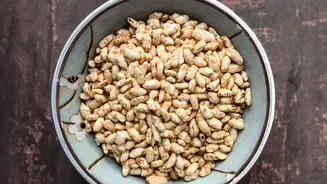
The sensory experience of these two puffs is distinct. Puffed rice is known for its light, crisp, and airy texture. It provides a classic crunch that is familiar from breakfast cereals. However, it can sometimes become soggy more quickly when mixed with wet ingredients like yogurt. Quinoa puffs offer a different kind of crunch—it's often described as heartier and more robust. They have a slightly nutty flavour, a characteristic inherited from the quinoa seed itself, which can add a new dimension to your recipes. This nutty taste complements both sweet and savoury applications. Puffed quinoa also tends to hold its structure and crunchiness better, even in yogurt or milk.
How They Are Made
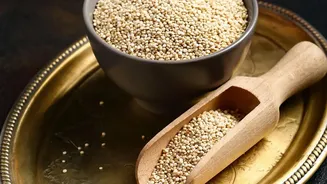
Both ingredients are created through processes that use heat and pressure to make the grains expand. Puffed rice is made by heating rice kernels, which have been conditioned with steam, until they puff up. This can be done in several ways, including gun puffing, oven puffing, or even frying in oil, which has been a traditional method for centuries. Quinoa puffs are made similarly, by heating the tiny quinoa seeds until they pop, much like popcorn. For commercial production, this is often done using a process called extrusion, where quinoa flour is mixed with water and forced through a machine that cooks and puffs it simultaneously. This process also helps to reduce the natural bitterness of quinoa.
The Snack Bar Verdict
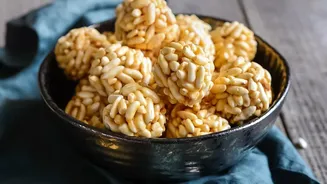
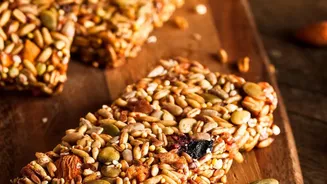
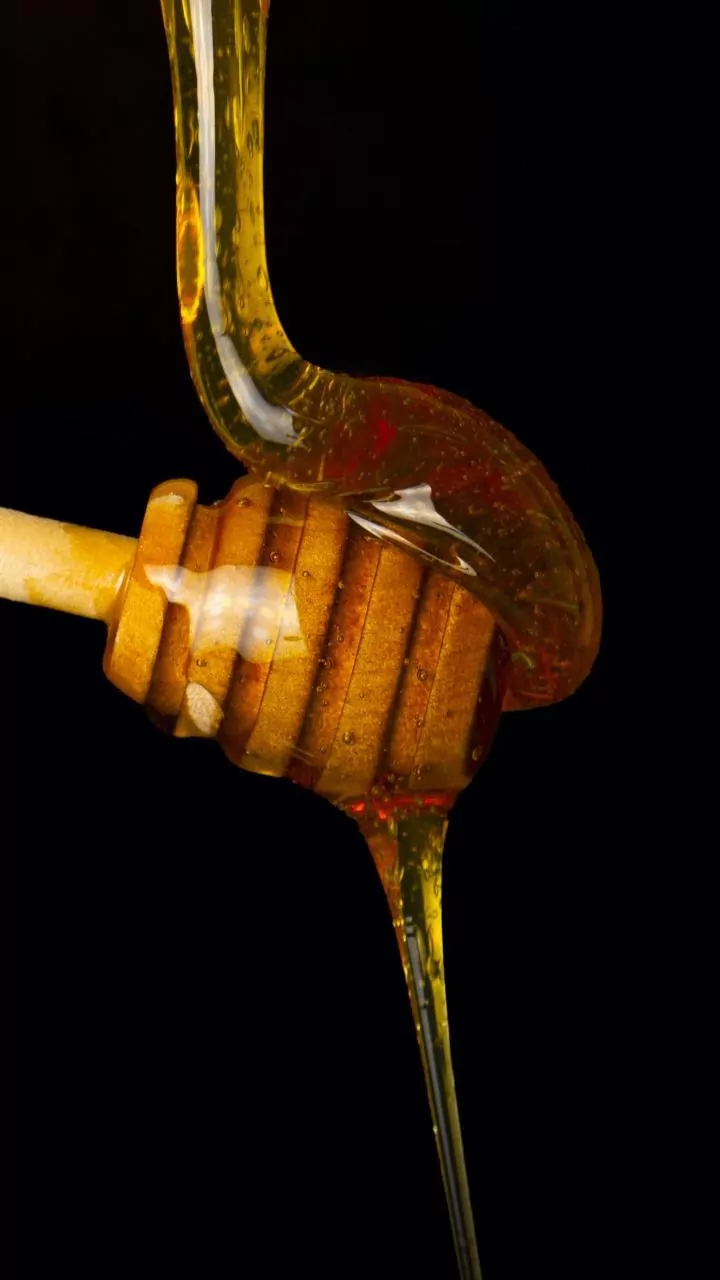
For homemade snack bars, the choice depends on your goal. If you want to create a bar that is high in protein and fibre for sustained energy, quinoa puffs are the superior choice. Their robust structure helps in creating a firm, satisfyingly crunchy bar. They work well as a primary ingredient in energy balls and protein bars. Puffed rice, being lighter and less dense, is excellent for creating treats that are lower in calories and have a classic crispy texture, reminiscent of popular commercial rice crisp treats. It blends well with binders like honey or melted chocolate to create simple, light snacks.
Perfecting the Parfait
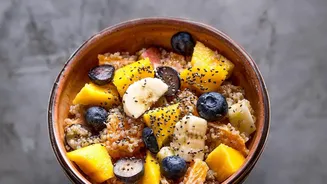
In a yogurt parfait, texture is everything. You need an ingredient that provides a crunch that lasts. Here, quinoa puffs have a distinct advantage. Their firmer structure means they are less likely to turn mushy when layered with yogurt and fruit, providing a pleasant textural contrast to the very last spoonful. Puffed rice can also be used, especially if the parfait is assembled right before eating. To get the best of both worlds, some people like to mix puffed rice into a granola that is then baked, which helps it stay crispier for longer when added to yogurt. For a quick topping, however, quinoa puffs are generally the more reliable option for maintaining that desirable crunch.