



The Age of the Instagrammable Meal
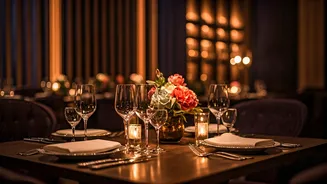
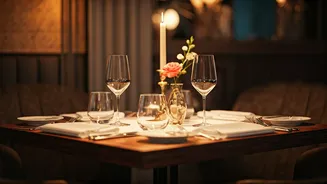
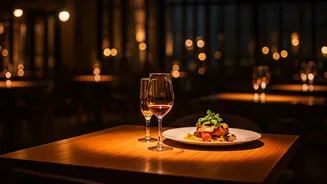
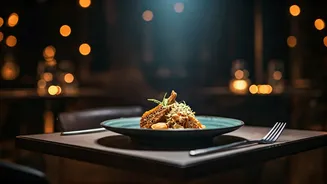
For the better part of a decade, the restaurant industry was ruled by a single, unspoken question: is it 'Instagrammable'? This visual-first culture reshaped the dining landscape. Restaurants were designed with social media in mind, from neon signs with cheeky
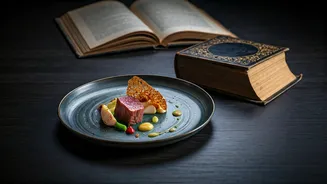
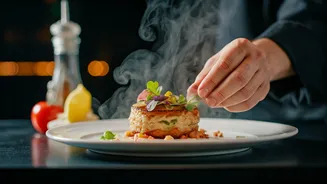
slogans to floral walls and dishes that prioritized color and composition. This wasn't just a trend; it was a powerful marketing engine. Diners became free advertisers, with each tagged post serving as a digital word-of-mouth recommendation. Statistics showed that a significant percentage of diners, particularly millennials, would choose a restaurant based on its social media presence. As a result, aesthetics sometimes became as important as the food itself, with some establishments investing heavily in creating picture-perfect moments, knowing that a viral photo could lead to a flood of customers.
When the Focus Blurs
The relentless pursuit of the perfect photo, however, started to reveal its downsides. A gap emerged between the glossy online image and the actual dining experience. Critics pointed out that restaurants prioritizing looks over substance were creating 'Instagrammable impostors'—places that generated buzz but lacked the quality to build lasting loyalty. Diners, too, felt the pressure. The ritual of documenting a meal, while sometimes increasing anticipation, could also detract from the simple pleasure of eating. Food got cold, conversations were interrupted, and the act of dining became a performance. Some researchers even found that an obsession with food photography could signal a problematic relationship with eating itself. The experience, once central to dining out, risked becoming a mere backdrop for content creation.
A Craving for Authenticity
Now, the pendulum is swinging back. Industry experts note a clear shift in consumer behavior for 2026, with diners increasingly seeking authenticity and real, experience-driven content. The novelty of performative dining is wearing off, replaced by a desire for genuine connection and quality. This doesn't mean aesthetics are irrelevant—Instagram remains a primary hub for diners to check out a restaurant's vibe. However, the emphasis has moved from sterile perfection to something more sincere. Restaurants are now being rewarded for storytelling, celebrating cultural heritage, and creating a sense of community. The focus is on building an immersive environment where guests feel they are part of something special, rather than just staging a photo.
The Real Ingredients of a Great Meal
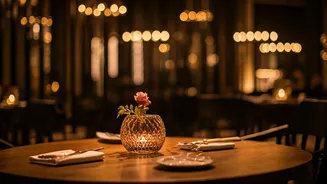
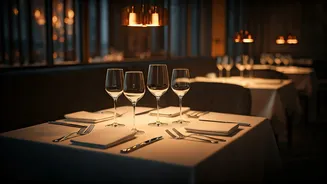
So, what truly makes a dining experience memorable when the phone is put away? It’s a return to the fundamentals. The quality and consistency of the food remain paramount. But beyond the plate, it's about the holistic atmosphere. Thoughtful lighting, comfortable sound levels, and attentive service create a foundation for a good meal. These elements, often subconscious, communicate respect for the guest and elevate an ordinary meal into a cherished memory. Exceptional service, where staff are knowledgeable and genuinely enthusiastic, can transform the entire experience. Ultimately, the best restaurants offer more than just food; they provide a sense of place, comfort, and human connection—things that can be felt and remembered long after a photo has been scrolled past.