


What Exactly Is the Summer Solstice?
The summer solstice marks the official start of summer in the Northern Hemisphere. On this day, the Earth’s North Pole is tilted most directly towards the sun. For us in India, this means the sun takes its highest and longest path across the sky, resulting
in the longest period of daylight and the shortest night of the year. While we often call it the 'longest day,' it’s technically the day with the most daylight hours. The date usually falls on June 20 or 21. This astronomical turning point has been celebrated by cultures for millennia, a natural moment to pause and appreciate our planet's rhythm.
The Sun's Lingering Goodbye
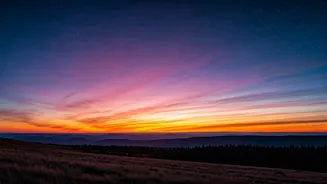
One of the most 'premium' views offered by the solstice is the sunset itself. Because the sun is so high in the sky, its descent towards the horizon is much more gradual and shallower than at other times of the year. This gives us an extended period of twilight, often called the 'golden hour' by photographers. The sky lingers in shades of orange, pink, and purple for much longer, providing a spectacular and unhurried natural light show. You don't need any special equipment for this part—just find a spot with a clear western view and watch the magic unfold.
A Celestial Show After Dark
The show doesn't end when the sun finally sets. The solstice sky, though short-lived, is packed with interest. While the lingering twilight can make it harder to see faint stars immediately, patience is rewarded. As the sky darkens, look towards the east. Depending on the year, you can often spot planets making their appearance. In the hours before dawn, planets like Saturn and Mars are often visible. Saturn will appear as a steady, yellowish point of light, while Mars is recognisable by its distinct reddish hue. Using a simple stargazing app on your phone can help you identify exactly what you're looking at.
Discover Summer's Constellations
The solstice is the perfect time to get acquainted with the summer constellations. As night deepens, look for Scorpius, the scorpion, crawling across the southern sky. It's one of the few constellations that actually resembles its namesake, with the bright, reddish star Antares marking its heart. Another famous celestial landmark is the Summer Triangle, an asterism formed by three bright stars from three different constellations: Vega (in Lyra), Deneb (in Cygnus), and Altair (in Aquila). It’s huge, easy to spot, and serves as a great starting point for exploring the night sky.
Tips for the Best Viewing Experience
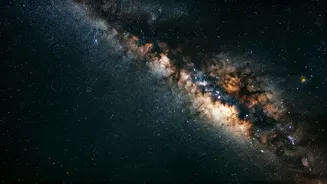
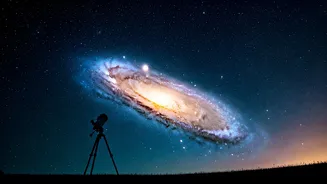
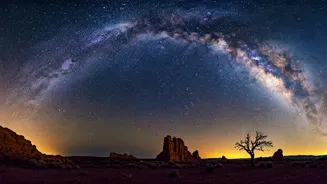
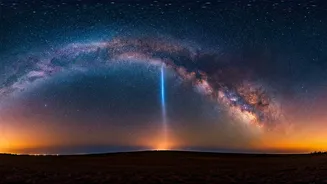
To truly enjoy the solstice skies, a little planning goes a long way. First, try to get away from city lights. Light pollution washes out all but the brightest stars and planets. A park on the edge of town, a rural area, or even a rooftop in a quieter neighbourhood can make a huge difference. Second, give your eyes time to adjust. It takes about 20-30 minutes for your eyes to become fully dark-adapted. Avoid looking at your bright phone screen during this time. Finally, bring a pair of binoculars. Even a basic pair can reveal stunning details, like the moons of Jupiter or the countless stars packed into the Milky Way, which arches magnificently across the summer sky in dark locations.