



The Physical Challenge: Full-Body Flow vs. Grounded Ascent
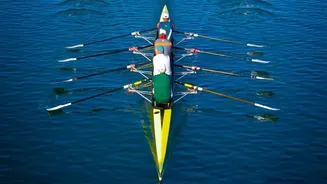
When it comes to physical benefits, rowing and hiking are both champions, just in different arenas. Rowing is celebrated as a superior full-body workout. With each stroke, you engage an estimated 86% of your muscles, including the legs, core, back, and arms,
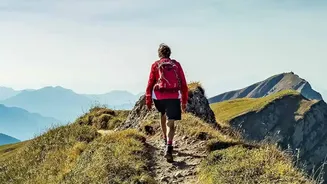
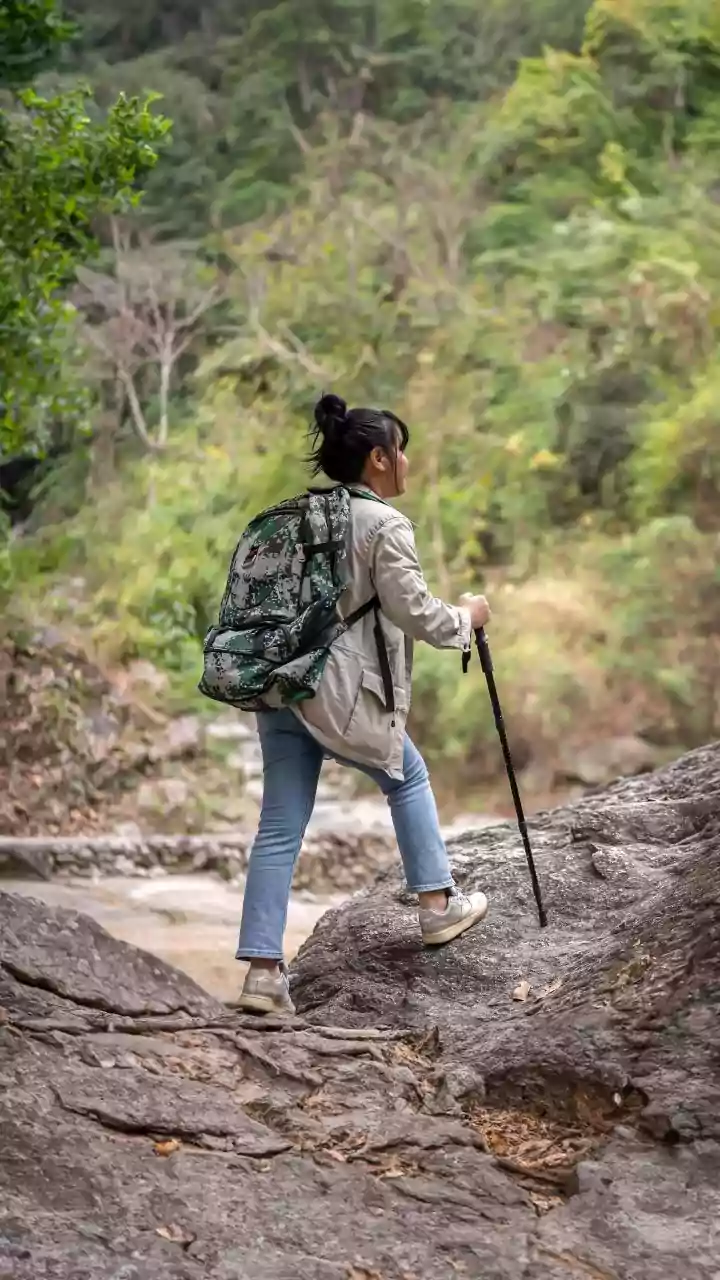
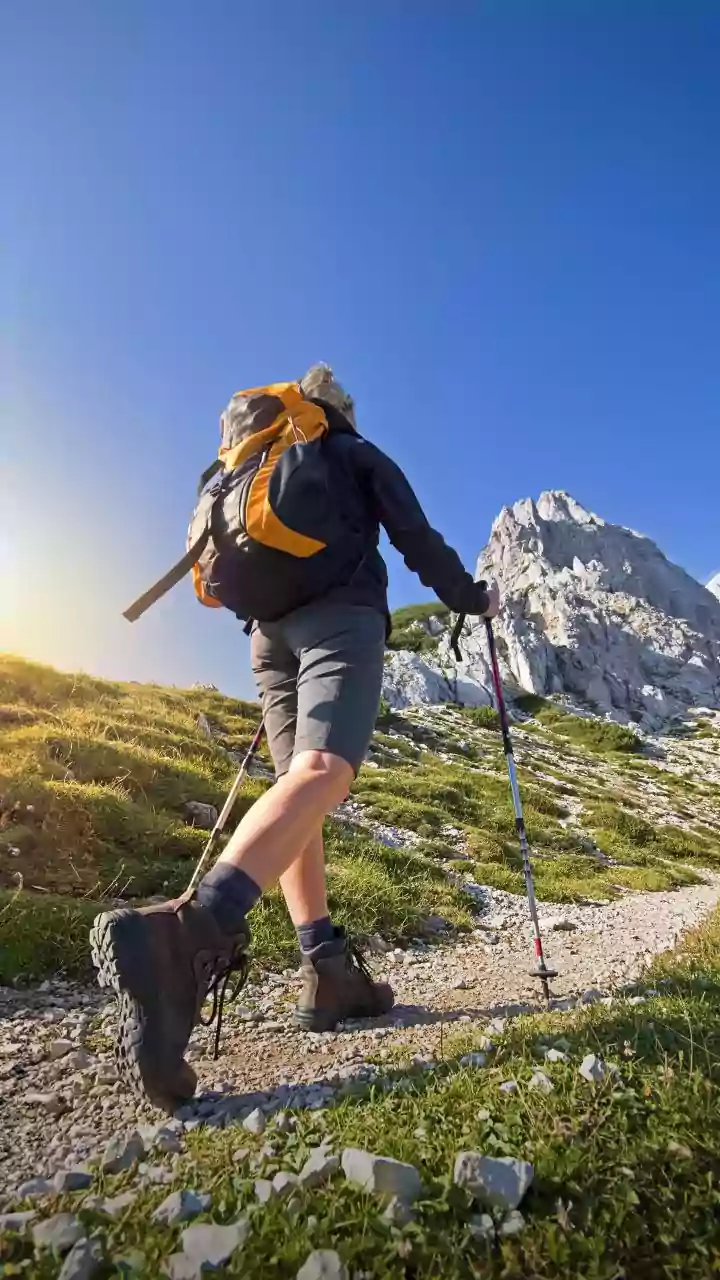
delivering a potent mix of strength training and cardiovascular exercise. It's a low-impact activity, meaning it's gentle on the joints like knees and hips, making it ideal for those with joint concerns or seeking to prevent injury.Hiking, or trail walking, is a weight-bearing exercise, which is crucial for building and maintaining bone density, particularly in the lower body and spine. The varied terrain of a trail challenges your balance and stability while primarily strengthening your lower body—glutes, hamstrings, and calves. While generally low-impact compared to running, hiking on hilly terrain can become a high-impact, vigorous workout, significantly boosting heart and lung function. Rowing burns more calories in a shorter amount of time, but a long, brisk hike can also be a powerful tool for fitness.
The Mental Escape: Green Therapy vs. Blue Mind
The mental health benefits of exercise are profound, and here the environment plays a key role. Hiking is the classic example of 'green therapy'. Immersing yourself in nature—the fresh air, the rustling leaves, the changing scenery—is proven to reduce levels of the stress hormone cortisol and boost mood. The simple, rhythmic act of walking can have a meditative effect, promoting mindfulness and mental clarity.Rowing, when done outdoors, offers the unique benefits of 'blue mind'—the calming, meditative state that being near or on water can induce. Studies suggest that both seeing and hearing water can lower stress, promote a sense of awe, and improve overall wellbeing, sometimes even more so than green spaces alone. The rhythmic, gliding motion of rowing itself can become a form of mindfulness, creating a 'flow state' that quiets a busy mind and reduces anxiety.
Getting Started: Accessibility And Cost In India
From a practical standpoint, hiking is arguably one of the most accessible outdoor activities in India. The basic requirements are minimal: a sturdy pair of shoes and a trail to follow. India offers a vast and diverse range of hiking options, from gentle day hikes in the Western Ghats to challenging multi-day treks in the Himalayas, many of which can be done without a guide. Organisations like Indiahikes have made trekking more mainstream and accessible for all fitness levels.Rowing presents a higher barrier to entry. On-water rowing requires access to a body of water and a boat, which usually means joining a club. While rowing clubs exist in cities like Pune and Chennai, they can be costly and are not widespread. The alternative is an indoor rowing machine, or 'erg'. Quality machines in India can range from ₹18,000 for entry-level models to over ₹1,50,000 for premium ones like the Concept2, which is the standard for competitive training. This makes it a significant initial investment compared to hitting a trail.
A Social Pursuit: Solo Journey or Team Spirit?
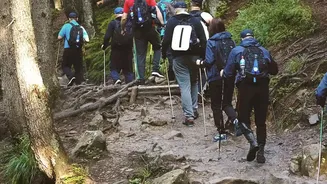
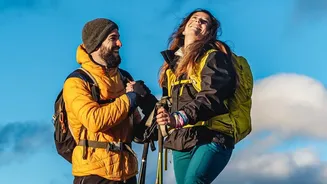
Both activities offer flexible social dimensions. Hiking is wonderfully versatile; it can be a deeply personal, solo journey for self-reflection or a fantastic group activity for bonding with friends and family. The shared experience of navigating a trail and enjoying the views can create lasting connections.Rowing has a strong culture of teamwork. While single sculling is an option, rowing is often a team sport, requiring synchronicity and communication. Joining a rowing club can foster a powerful sense of community and camaraderie, built on shared training goals and early morning practices. Even in a gym setting, group classes on rowing machines can create a motivating and social environment.