




Ever felt unusually exhausted after an outdoor run, even on a good day? The culprit might not be your fitness level, but the very air you breathe. Invisible pollutants can sabotage your workout, leading to premature fatigue and strain.
The Invisible Enemy in Our Air
When you step out
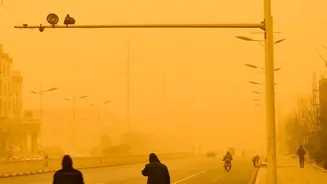
for a run or a game of cricket in many Indian cities, you are inhaling more than just air. You are also breathing in a cocktail of pollutants. The most concerning are fine particulate matter (PM2.5), ground-level ozone (O3), nitrogen dioxide (NO2), and carbon monoxide (CO). These particles, many of which come from vehicle exhaust and industrial emissions, are so small they can bypass your body's natural defences. During exercise, your breathing rate and depth increase dramatically—you can inhale up to 15 times more air than when at rest. This means you are also taking in a much higher dose of these harmful pollutants, delivering them deep into your lungs and even your bloodstream.
How Pollution Hijacks Your Workout
Once inhaled, these pollutants wage a two-pronged attack on your exercising body. Firstly, some pollutants like carbon monoxide directly interfere with your blood's ability to carry oxygen. CO binds to haemoglobin, the molecule in red blood cells that transports oxygen, effectively elbowing oxygen out of the way. This means less oxygen reaches your hard-working muscles. Secondly, pollutants like PM2.5 and ozone trigger inflammation and oxidative stress throughout your body. Your airways can become irritated and constricted, making it physically harder to breathe deeply. This combination of reduced oxygen supply and increased respiratory effort is a direct recipe for feeling tired faster. Your body is forced to work harder just to get the basic fuel it needs, leading to what researchers call 'elevated perceived exertion'—your workout feels tougher than it should.
From Fatigue to Muscle Strain and Soreness
The impact doesn't stop at early fatigue. The systemic inflammation and oxidative stress caused by air pollution can directly contribute to muscle strain and impair recovery. Exercise naturally causes microscopic tears in muscle fibres and a controlled inflammatory response, which is necessary for muscle repair and growth. However, when you layer pollution-induced inflammation on top of this, it increases the total burden on your body. This heightened state of stress can interfere with the cellular repair mechanisms that rebuild muscle tissue. Studies have linked long-term exposure to pollutants with declines in muscle mass and strength. This means that not only does bad air make your workout feel harder, but it could also be slowing down your recovery and limiting your long-term fitness gains.
Check the AQI Before You Lace Up
Your most powerful tool against pollution is information. Before heading out, always check the local Air Quality Index (AQI). The AQI is a simple, colour_coded scale from 0 to 500 that tells you how clean or polluted your air is. You can find this data on various government websites, weather apps, and dedicated air quality apps. As a general guide for healthy adults, an AQI of 0–50 (Good) is ideal for any activity. From 51–100 (Moderate), most people are fine, but sensitive individuals might feel effects. In the 101–150 range (Unhealthy for Sensitive Groups), it's wise to consider reducing the intensity or duration of your workout. If the AQI is above 151 (Unhealthy), it's best for everyone to move their exercise indoors or postpone it.
Smart Strategies for Safer Exercise
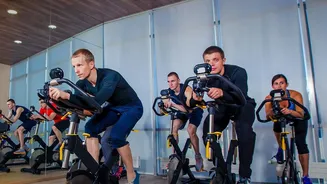
You don’t have to give up on outdoor fitness. By being strategic, you can significantly reduce your exposure. Timing is crucial; pollution levels, especially ozone, are often lower in the early morning and rise throughout the day. Location also matters. Avoid exercising near high–traffic roads, as vehicle emissions are a primary source of pollutants. Opt for parks and green spaces, which tend to have better air quality. On days with poor air quality, consider an indoor workout. Gyms, yoga studios, or even a home workout can be excellent alternatives, providing a controlled environment. If you do exercise outdoors on a 'moderate' air day, you might opt for a lower–intensity activity like a brisk walk instead of an all–out sprint.