




The Promise of Automation
Self-watering pots are a fantastic invention, especially for those new to gardening or with a packed schedule. Most work on a simple, brilliant principle: a reservoir at the bottom holds water, and a wicking system, often a fabric rope or porous soil
column, draws that water up into the main pot as the soil dries out. This process, called capillary action, allows the plant to take a drink whenever it's thirsty, preventing the cycles of drought and flood that can happen with traditional top-watering. This provides a consistent level of moisture, which many popular houseplants, especially tropical varieties, absolutely love. The appeal is obvious: less guesswork, fewer wilted plants after a weekend away, and a general sense of ease. But this convenience can also create a false sense of security, leading owners to believe their only job is to keep the reservoir full.
Why Refilling Is Not Enough
A plant's ecosystem is more than just its water supply. When you only water from below, you miss the opportunity to observe what’s happening on the surface and within the soil. Constant moisture, even when regulated, can create an environment ripe for specific problems. The soil can become compacted over time, and without the occasional top-down flush, mineral salts from fertilisers can build up. More critically, perpetually damp soil is an open invitation for pests like fungus gnats and mould. In some cases, aggressive roots can even grow down into the water reservoir, leaving them submerged and at risk of rot. A routine that only involves refilling the water supply is like checking the fuel gauge on a car but never looking at the engine or tyres. You’re missing crucial signs of the plant's overall health.
Your Weekly Inspection Checklist
Instead of just topping up the water, make a habit of a quick weekly check-up. First, feel the top inch of the soil. While the lower soil will be moist, the very top should be allowed to dry slightly; if it’s perpetually soggy, you may have an issue with soil density or overfilling. Take a moment to look at the leaves. Are they yellowing and limp? That, combined with wet soil, is a classic sign of overwatering and potential root rot. Healthy roots are essential, and a sour or musty smell from the pot is a major red flag that they may be suffocating and rotting. Also, check for any uninvited guests. Fungus gnats, which look like tiny mosquitoes, love to lay eggs in consistently moist topsoil. Finally, when you do refill the reservoir, take a peek inside. If you see slime or algae, it’s time for a cleaning.
The Right Foundation Matters
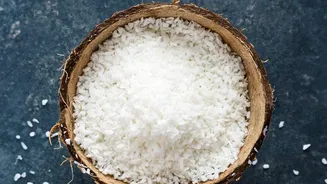
The success of a self-watering system is heavily dependent on the soil you use. Using heavy garden soil or a dense, standard potting mix is one of the biggest mistakes you can make. These soils can become overly compacted and waterlogged, preventing air from reaching the roots and stopping the wicking action from working correctly. For a self-watering planter to function properly, you need a light, airy, and well-draining potting mix. Look for mixes containing ingredients like coco coir, peat moss, and perlite. These materials hold enough moisture to keep the plant happy but also provide the air pockets that roots need to breathe. When you first pot your plant, it's a good practice to water it from the top for the first week or two. This helps establish the connection between the soil and the wicking system, ensuring the capillary action kicks in effectively.
Periodic Flushing and Maintenance
Even with the perfect setup, your self-watering pot needs a reset now and then. About once every month or two, skip refilling the reservoir and water your plant thoroughly from the top until water runs through the pot. If your pot has an overflow hole, this will help flush out any accumulated fertiliser salts and minerals that can build up in the soil over time. This simple act mimics natural rainfall and revitalises the soil. It's also wise to occasionally let the reservoir run completely dry for a day or two before refilling. This brief pause gives the roots a chance to breathe and reduces the risk of the soil environment becoming stagnant. Finally, remember to clean the reservoir itself. At least once every couple of months, rinse it out with soap and water to prevent algae or bacterial growth, which can harm your plant and clog the wicking mechanism.