
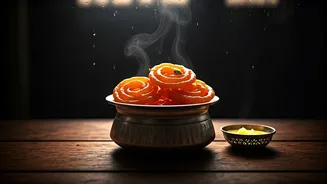


The Undisputed Heavyweight: Gulab Jamun
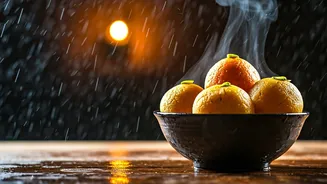
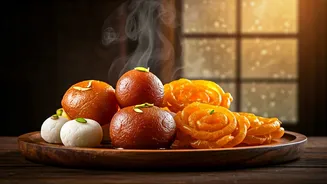
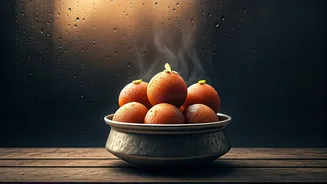
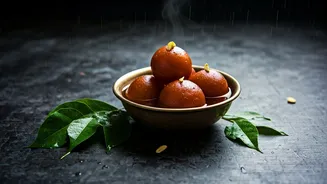
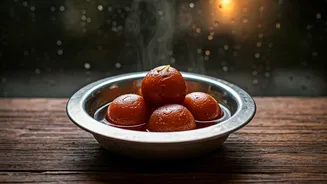
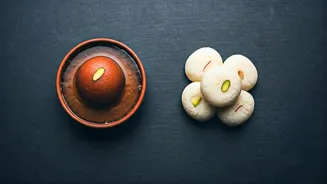
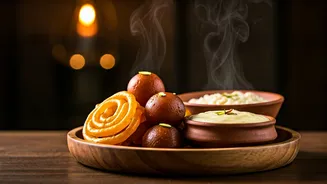
In one corner, weighing in with the comforting density of khoya and the warmth of a cardamom-scented syrup, is the mighty Gulab Jamun. For many, this isn't just a sweet; it's a feeling. It's the taste of weddings, the comfort of a winter evening, and the undisputed
star of countless festival thalis. [4, 16] Its origins are often traced back to Mughal kitchens, a delightful descendant of Persian culinary traditions that found a permanent home in the heart of India. [4, 8] The process is a study in indulgence: milk solids are fried to a perfect golden-brown before being soaked in a fragrant sugar syrup. [7, 13] The result is a melt-in-the-mouth experience that is rich, decadent, and deeply satisfying. [4] Fans love its dense texture and the warm, comforting hug it delivers with every bite. [16]
The Spongy Challenger: Rasgulla
In the other corner, light, airy, and dripping with pride, is the Rasgulla. Hailing from the eastern part of India, this sweet is an icon of Bengali and Odia culture. [4, 7] The rivalry for its origin, complete with official GI tags for both West Bengal and Odisha, is a testament to its cultural significance. [12, 15] Made from fresh chhena (Indian cottage cheese), these spongy balls are boiled in a light sugar syrup, a stark contrast to their fried counterpart. [7] A Rasgulla is designed to be springy and ethereal, a refreshing burst of clean, milky sweetness. [4] Often served chilled, it's considered a lighter option and a year-round favorite, especially in the summer. [4, 16] For its champions, the Rasgulla isn't just a dessert; it's an emotion tied to regional identity and celebration. [4]
The Crispy Contender: Jalebi
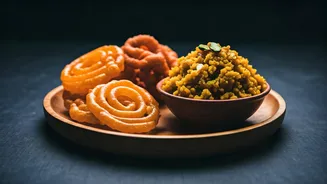
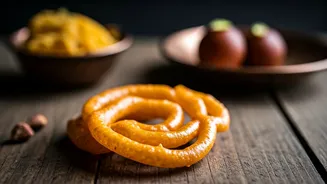
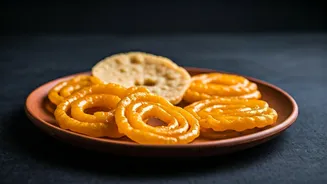
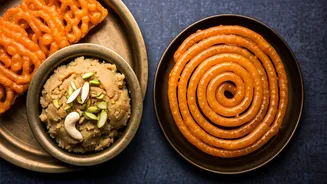
But to frame this as a two-sweet race would be an injustice. Swirling into the debate is the Jalebi, a crispy, chaotic coil of fried dough soaked in sugar syrup. [18] Eaten hot, it offers a textural delight that few other sweets can match: a crunchy exterior giving way to a chewy, syrup-filled center. Paired with rabri or simply enjoyed on its own, Jalebi is the quintessential street-side indulgence and a breakfast of champions in many parts of North India. [13] It’s a classic that proves love isn't always straight; sometimes it's gloriously round and sticky. [18]
The Regional Champions
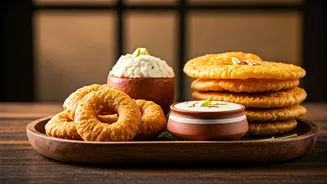
Beyond the big three, a vibrant roster of regional heroes commands fierce loyalty. From Karnataka, the ghee-laden, melt-in-your-mouth Mysore Pak makes its case with rich, porous texture. [9, 15] Maharashtra presents the Modak, a sweet dumpling filled with coconut and jaggery, especially prominent during Ganesh Chaturthi. [11, 15] Rajasthan’s Ghevar, a disc-shaped honeycomb dessert, is a festive masterpiece, while West Bengal's Sandesh offers a subtler, more delicate expression of chhena's potential. [9, 11] These sweets aren't just food; they are edible history, carrying the stories and flavours of their specific regions. [3, 9]
A Sweet New Twist
As if the existing competition wasn't enough, the debate is getting even sweeter with the rise of fusion desserts. [19] Gulab Jamun cheesecakes, Rasmalai tiramisu, and Jalebi cupcakes are appearing on menus, blending the beloved flavours of traditional mithai with global dessert formats. [19] These innovations are a playful nod to the classics, introducing them to a new generation and proving that while tradition is sacred, there's always room for a little remixing. They represent a new front in the sweet wars, where nostalgia meets novelty. [19]