




The Scale of the Health Crisis
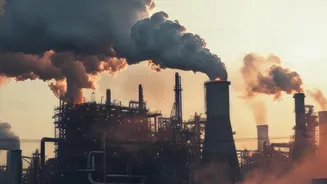
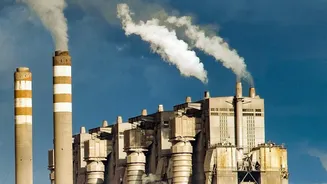
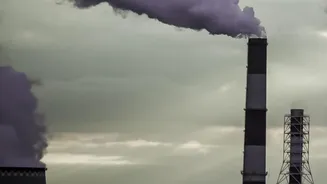
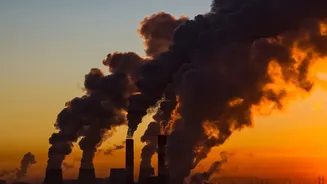
The foundation of air pollution's economic damage is its devastating impact on public health. Exposure to fine particulate matter (PM2.5) is linked to a host of severe illnesses, including lung cancer, stroke, heart disease, and chronic respiratory conditions.
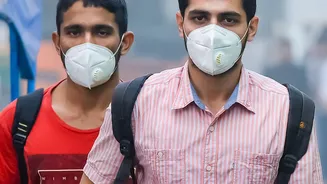
In 2019 alone, air pollution was responsible for an estimated 1.67 million premature deaths in India. This isn't a problem confined to the elderly or the very young; a significant portion of pollution-related health insurance claims are from working-age professionals between 31 and 55, indicating that the nation's economically active population is bearing a heavy health burden. Cardiovascular and respiratory conditions together account for nearly 78% of these claims, turning a public health emergency into a widespread household financial crisis.
From Sick Days to GDP Loss
A sick workforce cannot be a productive one. The economic fallout from this health crisis is enormous, with some estimates placing the annual cost to Indian businesses as high as $95 billion, or roughly 3% of the country's GDP. This staggering figure is a result of multiple factors. Direct impacts include approximately 1.3 billion working days lost each year due to pollution-related absenteeism. But the damage goes deeper. Studies have shown that even when employees show up for work on high-pollution days, their productivity drops significantly. Research on call centre workers, for example, found that a standard deviation increase in PM2.5 concentration correlated with an 11.8% decrease in worker productivity. This phenomenon, known as 'presenteeism' — where employees are present but not fully functional — accounts for a massive portion of the productivity impact. In total, the output lost to premature deaths and morbidity cost India an estimated $36.8 billion in 2019, equivalent to 1.36% of the national GDP.
The Soaring Healthcare Bill
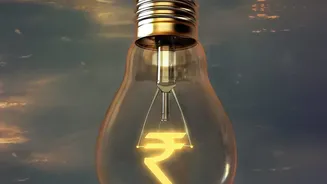
Beyond productivity losses, air pollution inflates healthcare expenditure for families and the government. As chronic diseases become more common, the demand for long-term care, medication, and hospital admissions rises. One report noted that health insurance claims linked to pollution have increased more than fourfold in just three years, with the average claim amount now exceeding ₹62,000. The total payout for such claims surged by 4.5 times between FY23 and FY26. On a national scale, a crude estimate suggests that the healthcare cost for treating pollution-related diseases was around $11.9 billion in 2019, or 0.44% of India's GDP. For many families, these costs are paid out-of-pocket, creating a devastating financial burden that can push them into debt and poverty.
Impact Across Key Economic Sectors
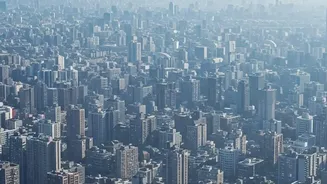
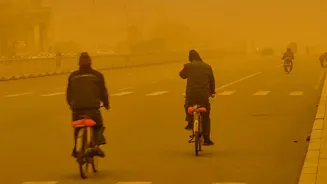
The economic damage is not limited to workforce health. Air pollution directly harms other vital sectors of the Indian economy. In agriculture, pollutants like ground-level ozone and black carbon settle on crops, blocking sunlight, inhibiting photosynthesis, and damaging plant cells. This has been shown to reduce wheat yields by over 14% in some cases, threatening food security and farmers' livelihoods. The tourism industry also suffers when iconic landmarks are shrouded in smog, deterring visitors. Consumer-facing businesses report lower footfall during periods of high pollution, as people choose to stay indoors, with one estimate suggesting a potential loss of $22 billion in revenue in 2019. Even the renewable energy sector is affected, with studies finding that smog and aerosol pollution can reduce solar power generation by blocking sunlight.
A Barrier to Investment and Growth
In a globalised economy, poor environmental quality can become a significant barrier to attracting foreign investment and talent. International companies increasingly consider air quality as a critical factor when deciding where to establish operations and deploy personnel. A reputation for hazardous air can damage a country's brand and make it a less attractive destination for high-skilled professionals and their families. The persistent drag on GDP growth is also a major concern. One World Bank paper found that higher PM2.5 exposure lowers a district's year-on-year GDP growth by 0.56 percentage points. This compounding effect widens the gap between the economy India has and the one it could build with cleaner air, potentially impeding its ambition to become a $5 trillion economy.