


A Season of Cravings
The Indian monsoon is more than just a weather pattern; it's a cultural phenomenon that dictates moods, traditions, and appetites. As temperatures drop and humidity rises, there's a natural pull towards foods that are warm, comforting, and often, indulgent.
The satisfying sizzle of something frying and the comforting sweetness of a well-loved mithai become the season's unofficial soundtrack. Across the country, kitchens and sweet shops respond, bringing out seasonal specialties that feel intrinsically linked to the joy of the rains. This is a time for togetherness, for seeking shelter from a downpour with family and friends, and for sharing food that feels like a hug. It's in this context that the quest for the 'defining' monsoon dessert begins.
The Prime Contender: Ghevar
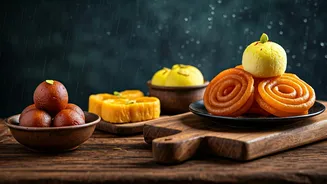
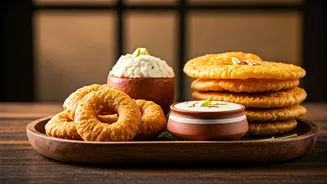
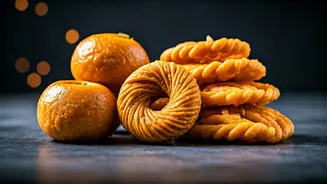
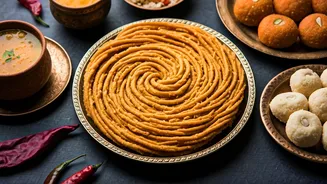
If one sweet were to claim the throne, Ghevar would make a powerful case. This Rajasthani delicacy is almost synonymous with the monsoon months. [9] Its appearance in sweet shops is a clear announcement that the season of Sawan has begun. [8] A disc-shaped, honeycomb-like cake made from refined flour and ghee, Ghevar is a marvel of texture. [4, 9] It is deep-fried to create a lattice structure that is simultaneously crisp and porous, designed to soak up the perfect amount of sugar syrup. The unique preparation is traditionally tied to the monsoon because the humidity in the air is believed to help the sweet achieve its ideal soft-yet-crisp texture. [4, 5] Its reign is further cemented by its association with major monsoon festivals like Teej and Raksha Bandhan, where it is a central part of celebrations and often gifted to daughters by their parents as a symbol of love and blessings. [2, 8, 14]
The Rustic Challenger: Malpua
Hot on Ghevar's heels is the humble yet beloved Malpua. Often described as India's answer to the pancake, this dessert has ancient roots, with some tracing it back to the Rig Vedic period. [14, 16] Malpuas are typically made from a batter of flour, milk, and sometimes mashed bananas or fennel seeds, then deep-fried in ghee until the edges are crisp and the center is soft and fluffy. [15, 17] After their hot oil bath, they are dunked into a fragrant sugar syrup. Unlike the more complex and architecturally impressive Ghevar, Malpua has a rustic, home-cooked charm. It is enjoyed across various parts of India, including Uttar Pradesh, Bihar, and Rajasthan, often served warm, sometimes with a generous dollop of creamy rabri on top. [3, 11] Its widespread popularity and comforting nature make it a strong contender for the monsoon's favourite sweet. [10, 18]
A Chorus of Sweetness
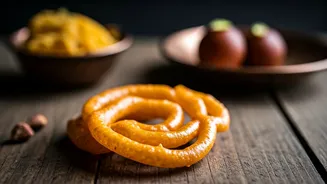
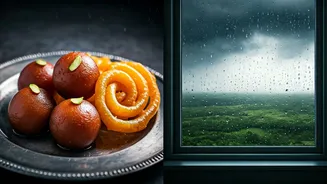
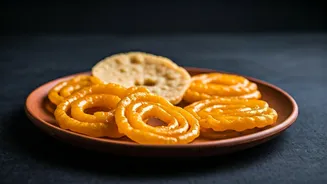
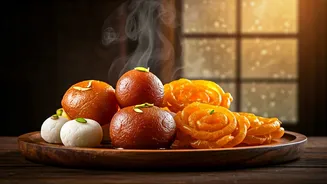
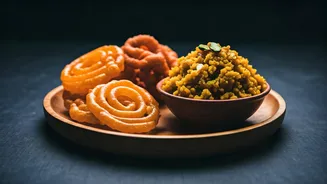
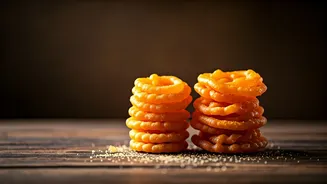
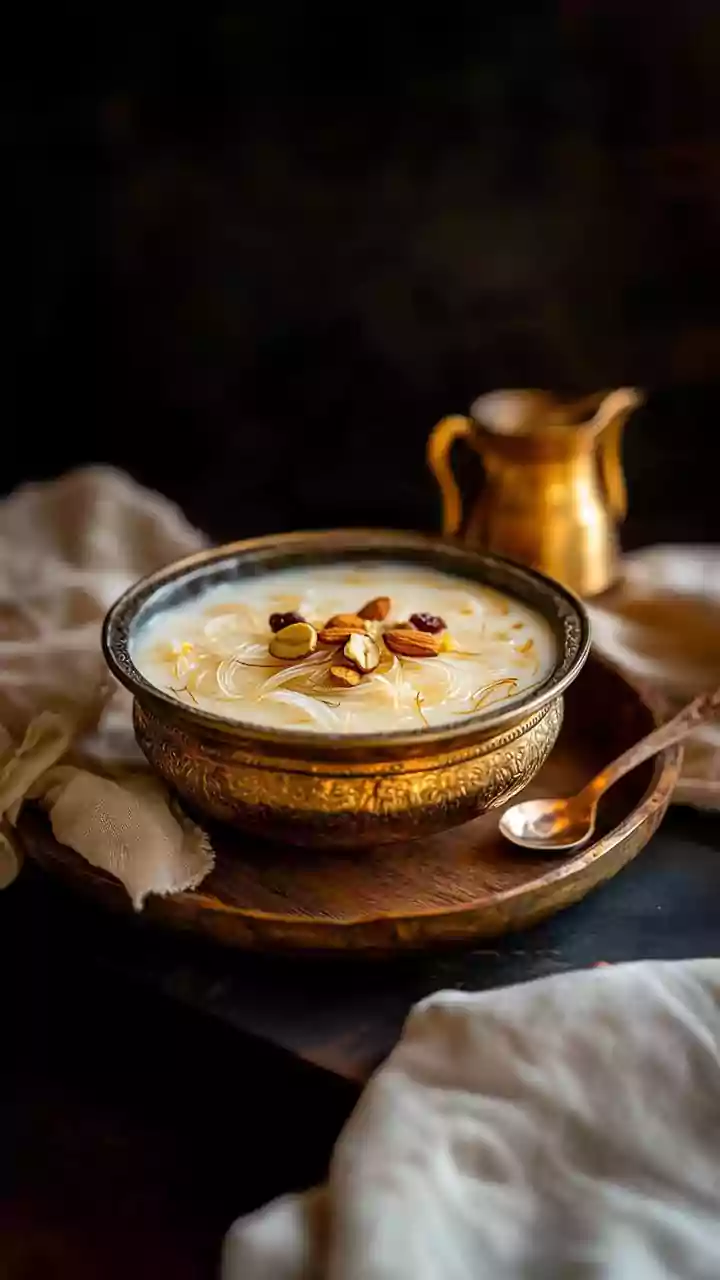
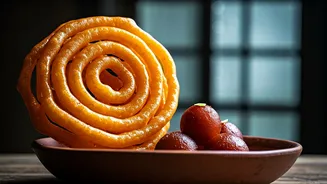
To crown a single winner, however, would be to ignore the vast culinary diversity of India. The monsoon brings forth a symphony of desserts, each with its own regional identity and loyal following. In many homes, the first sign of rain prompts the preparation of hot, syrupy Jalebis, their bright orange spirals a perfect contrast to the grey skies. [1, 21] In Maharashtra, the Ganesh Chaturthi festival, which often falls during the monsoon, is incomplete without Modak, steamed dumplings filled with coconut and jaggery. [11] Further south in Kerala, Nei Appam, a sweet made with rice flour and jaggery, is popular during the Onam festival in August. [14] And one cannot forget the simple joy of Kheer or Payasam, the creamy rice pudding that is a year-round comfort but feels especially right on a cool, rainy day. [2, 18]
The Taste of Memory
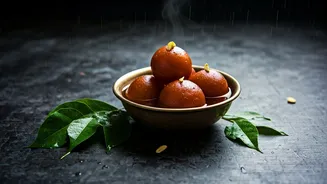
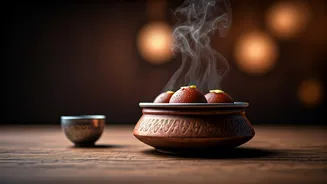
Ultimately, the dessert that defines the Indian rainy season might not be a single dish at all. It is less about a specific recipe and more about the experience it evokes. Sweets in India are deeply entwined with culture, celebration, and emotion. [22, 23, 24] They are symbols of joy, offerings in prayer, and gestures of hospitality. The 'defining' monsoon dessert is the one that connects you to the season—the one whose aroma fills your home, the one shared with loved ones while listening to the rain, the one that tastes of nostalgia and happiness. It’s the warmth of a Gulab Jamun, the crunch of a Jalebi, or the intricate sweetness of a slice of Ghevar.