







The Seeds of a Cotton Empire
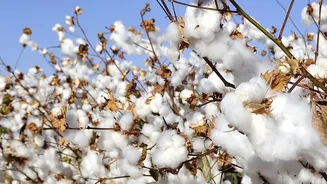
Long before the first industrial mills whirred to life, Coimbatore's destiny was tied to cotton. The region's rich, black soil was perfect for cultivating cotton, a fact that didn't go unnoticed even in ancient times. This area, part of the historic Kongu
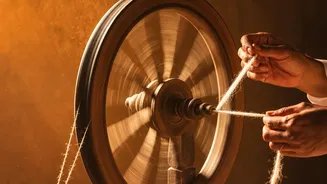
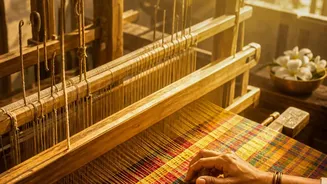
Nadu region, was a vital hub on ancient trade routes, supplying fine cotton textiles that were sought after as far away as the Roman Empire. The geography was ideal: a moderate climate perfect for spinning, fertile land for the raw material, and a strategic position facilitated by the Palghat Gap in the Western Ghats, connecting the coast to the interior. This natural advantage laid the groundwork for centuries of textile craftsmanship, establishing a legacy of weaving and dyeing long before industrialisation began.
The Dawn of the Mill Era
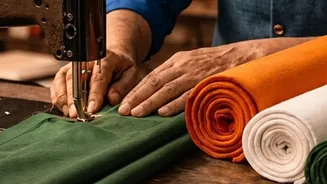
The industrial transformation of Coimbatore began in the late 19th century. The establishment of the first spinning and weaving mill by Sir Robert Stanes in 1888 marked a pivotal moment. However, it was the textile boom of the 1920s and 1930s, fueled by the arrival of hydroelectric power from Pykara, that truly cemented the city's industrial future. Unlike other regions, Coimbatore's early industrial growth was propelled by local agrarian entrepreneurs who saw milling as a natural next step to farming cotton. This unique entrepreneurial spirit led to the proliferation of textile mills across the city, earning it the celebrated nickname 'Manchester of South India' due to its sheer concentration of textile activity.
Weaving a City's Character
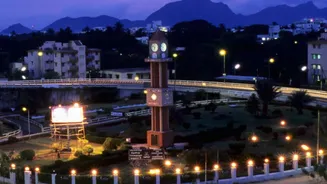
The textile boom did more than just build an industry; it forged the character of modern Coimbatore. The profits from the mills were reinvested into the community, funding educational institutions and hospitals. This created a culture of social responsibility and philanthropy that endures today. Furthermore, the need to service and repair imported mill machinery sparked a secondary boom in engineering. Local entrepreneurs began manufacturing spare parts, then entire machines, laying the foundation for Coimbatore's current status as an engineering and manufacturing powerhouse, renowned for pumps, motors, and auto components. This symbiotic relationship between textiles and engineering is the defining feature of the city's industrial DNA.
The Fabric of Modern Coimbatore
Today, Coimbatore's textile industry has evolved. While it faces global competition and pressures to modernise, it remains a cornerstone of the economy. The focus has diversified from just spinning yarn to include technical textiles, knitwear, and high-value apparel. The city is home to influential industry bodies like the Southern India Mills' Association (SIMA) and research institutes such as SITRA, which drive innovation. This ecosystem ensures the industry adapts, with a growing emphasis on sustainable manufacturing and decarbonisation to meet modern demands. The legacy is also celebrated in products like the 'Kovai Cora Cotton' saree, which has a Geographical Indication (GI) tag, preserving a piece of the city's unique textile identity.
Tracing the Threads Today
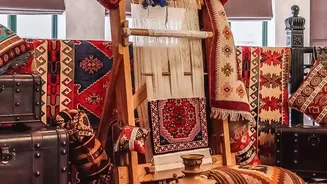
For any visitor, the textile legacy is woven into the urban landscape. While many old mills have given way to new developments, their names often live on as bus stops and locality names—a subtle nod to the past. To experience this history firsthand, a visit to the Kasthuri Sreenivasan Art Gallery and Textile Museum is a must, showcasing the journey from traditional looms to modern machinery. The bustling markets in the city centre are still vibrant hubs for fabrics, where you can buy everything from fine cottons to beautiful sarees. Exploring these places reveals that textiles are not just a chapter in Coimbatore's history books; they are the living, breathing soul of the city.