




Beyond the Culture of Chai
For millions across India, the day begins and ends with chai. The practice of boiling strong, granular CTC (Crush, Tear, Curl) tea with milk and sugar is a cultural rhythm, a comforting ritual perfected in roadside stalls and home kitchens. This version
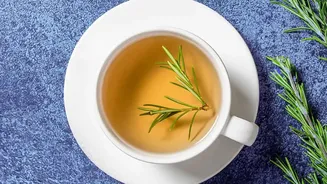
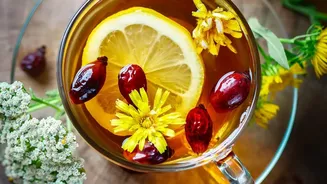
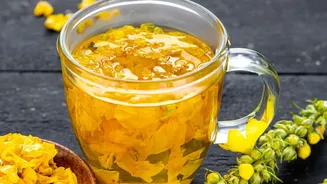
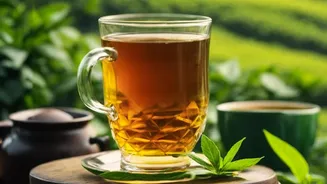
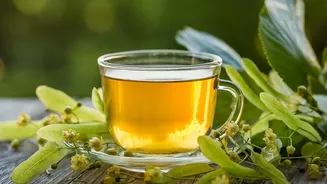
of tea became widespread in the 20th century, an accessible and affordable drink for the masses. Yet, this is a relatively modern chapter in India's long history with brewed beverages. Before the rise of the commercial tea industry, and away from the plains, communities have long relied on a different source for their daily brew: the wild plants, flowers, and herbs growing in their own backyard. These preparations, often called tisanes or herbal infusions, represent a far older tradition rooted in Ayurvedic wisdom and local ecology.
Whispers from the Himalayas
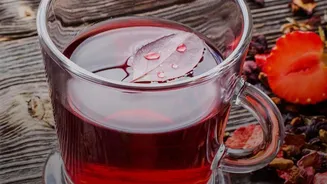
The Himalayas, in particular, are a treasure trove of botanical diversity. In the high-altitude regions of Uttarakhand, Himachal Pradesh, and Ladakh, communities have for generations crafted healing and refreshing drinks from what the mountains provide. One of the most iconic is made from the brilliant red flowers of the Buransh tree (Rhododendron arboreum). Harvested in the spring, the petals are often used to make a refreshing drink believed to be excellent for heart health. Another Himalayan star is Sea Buckthorn, a hardy shrub whose bright orange berries and leaves are packed with nutrients. Hand-harvested from the harsh landscapes of Lahaul-Spiti and Ladakh, Sea Buckthorn tea is a caffeine-free infusion with a tart, citrusy flavour, traditionally valued for boosting immunity.
The Art of Pure Infusion
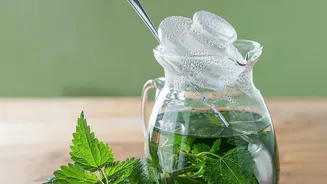
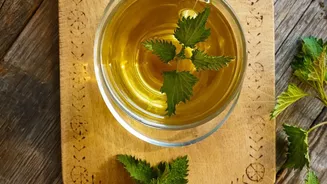
The beauty of these mountain teas lies in their simplicity. Unlike the complex spice blends of masala chai, the focus here is on a single, potent ingredient. The process is straightforward: fresh or dried herbs, flowers, or leaves are steeped in hot water, allowing their flavours and beneficial compounds to infuse the drink. There is no milk to mask the delicate notes, no sugar needed to balance bitterness. A cup of stinging nettle tea, for instance, has a surprisingly mild, earthy taste, while an infusion of Himalayan mint offers a familiar freshness with a unique regional character. This method honours the true essence of the plant, offering a clean, direct taste of the local terroir. It's a beverage that connects the drinker directly to the source—the soil, sunlight, and clean mountain air that nurtured the plant.
A Taste of Wellness and Tradition
These herbal infusions are more than just beverages; they are a part of a holistic approach to wellness that has been passed down through generations. Many of the herbs used, like Tulsi (Holy Basil), ginger, and lemongrass, are staples in Ayurvedic practice, cherished for their medicinal properties. Buransh is traditionally used for liver ailments, while Sea Buckthorn is considered a powerhouse of vitamins and antioxidants. Drinking these teas is a ritual of self-care, a way to support the body's natural balance and resilience. In a world of processed foods and fast-paced living, these simple infusions offer a return to something fundamental: nourishment derived directly from nature, carrying the wisdom of the communities that have long understood their power.
Reviving a Forgotten Heritage
For a long time, these herbal traditions remained hyper-local, known only within the communities that practised them. However, a quiet revival is now underway. Small, local enterprises and community-led initiatives are working to bring these 'forgotten' teas to a wider audience. By ethically harvesting and carefully processing these Himalayan herbs, they provide sustainable livelihoods for local farmers and preserve an invaluable part of India's cultural and botanical heritage. Thanks to these efforts, it's now possible for someone in a bustling city to experience the pure, calming flavour of a Buransh or Sea Buckthorn infusion, offering a tangible connection to the remote mountains where these traditions were born.