






Why Dietary Fibre is Crucial
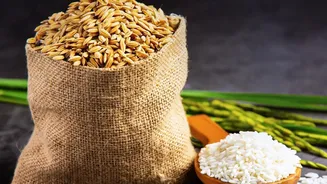
Often overlooked, dietary fibre is a powerhouse nutrient essential for our well-being. It's a type of carbohydrate the body can't digest, which allows it to provide a host of benefits as it moves through our system. Fibre is best known for promoting regularity
and preventing constipation, but its advantages go much further. A high-fibre diet can help maintain a healthy weight by making you feel fuller for longer. It also plays a vital role in regulating blood sugar levels by slowing the absorption of sugar, which can help prevent energy spikes and crashes. Furthermore, soluble fibre can help lower 'bad' cholesterol levels, contributing to better heart health. Experts recommend adults consume between 25 to 40 grams of fibre per day, but many of us fall short of this target.
The Nutritional Punch of Almonds
Almonds are a clear winner when it comes to healthy snacking. A small handful (about 28-30 grams) provides a significant nutritional boost. This serving size contains roughly 3.5 to 4 grams of dietary fibre, making it one of the most fibre-rich nuts available. This fibre is both soluble and insoluble, meaning it aids in cholesterol management and promotes digestive regularity. Beyond fibre, almonds are packed with 6 grams of plant-based protein, healthy monounsaturated fats, vitamin E, and magnesium. This combination of protein, fat, and fibre is what makes almonds so satiating, helping to curb hunger between meals far more effectively than a carbohydrate-heavy snack. Studies have shown that snacking on almonds leads to a more stable blood sugar response compared to high-carb snacks.
The Surprising Benefits of Ginger
While not a fibre heavyweight on its own, ginger brings its own unique and powerful properties to the table. It has been used for centuries in traditional medicine, primarily for its digestive benefits. Ginger contains a compound called gingerol, which has potent anti-inflammatory and antioxidant effects. It is known to soothe the digestive system, alleviate nausea, and improve gut motility, which means it helps food move more efficiently through your stomach. While you wouldn't eat large quantities of it, adding even a small amount of fresh or dried ginger contributes to your overall fibre intake and provides these valuable digestive and anti-inflammatory perks. Combining it with a fibre-rich food like almonds enhances the overall digestive support of the snack.
The Trouble with Sugary Biscuits
On the other side of the snacking spectrum are sugary biscuits. While they provide a quick burst of energy, it's often followed by a crash. Most commercially produced biscuits are made from refined flour (maida), which has been stripped of its fibre and nutrients. A 100g serving of biscuits may contain only 1-2 grams of fibre, compared to over 12 grams in 100g of almonds. Biscuits are typically high in refined sugar, unhealthy saturated or trans fats, and sodium, offering what experts call 'empty calories'. This combination can lead to blood sugar spikes, contribute to weight gain, raise bad cholesterol, and offers very little to make you feel full and satisfied. Essentially, they take up room in your diet without providing the sustained energy and nutrients your body needs.
A Winning Snack Combination
When you combine almonds and ginger, you're creating a snack that is superior to a sugary biscuit in almost every way. The fibre and protein from the almonds provide sustained energy and keep you feeling full, preventing overeating later in the day. In fact, studies comparing almond snacks to biscuit snacks with equal calories found that those who ate almonds had better blood sugar control and consumed fewer calories overall during the day. The ginger complements the almonds by aiding digestion and adding an anti-inflammatory boost. This pairing not only delivers significantly more fibre but also provides a wealth of healthy fats, vitamins, and minerals that you simply won't find in a processed biscuit.
Easy Ways to Enjoy Almonds and Ginger
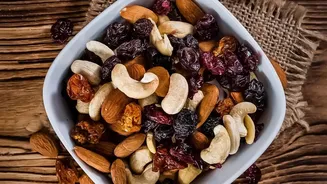
Incorporating this powerful duo into your routine is simple. The easiest method is to have a handful of raw or roasted almonds alongside a cup of warm ginger tea. You can also find or make crystallised ginger to eat with a few almonds for a sweet and spicy treat. For a more integrated snack, try making your own trail mix with almonds, dried ginger pieces, and other seeds. Another delicious option is to make spiced almonds by roasting them with powdered ginger and a pinch of salt. You can even blend almond butter with a small amount of fresh ginger juice for a zesty and nutritious spread on whole-grain toast.