






A Cautious Consumer Emerges
This festive season, a mood of cautious optimism prevails. While overall consumer confidence in India is among the highest in the world, shoppers are becoming more selective. A LocalCircles survey indicates that urban household spending during the festive period
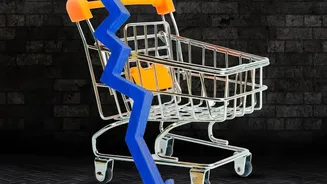
is expected to see a 6% decline, down to ₹1.97 lakh crore from ₹2.10 lakh crore last year. The reason is twofold: persistent inflation on essential goods and a growing desire for financial security. According to a YouGov report, nearly a quarter of consumers plan to actively cut back on non-essential purchases, while another 26% intend to stick to their budget by shopping smarter. This financial prudence means that every rupee is being allocated with more thought, leading to a fundamental re-evaluation of what constitutes a worthwhile festive purchase.
The Search for Lasting Value
The current trend isn't about shunning spending altogether; it's about redefining value. A new outfit offers temporary joy, but a new refrigerator, a more efficient washing machine, or a smartphone upgrade provides tangible benefits every day. This shift towards 'utility upgrades' is becoming a hallmark of 2026's festive season. Consumers are prioritising items that improve their quality of life in the long run. Research from consulting firm Redseer Strategy Consultants highlights this change, noting that while mobile phone sales have remained flat, categories like home and furniture are expected to expand by over 30%. Similarly, electronics saw a strong rebound in the first half of the year, partly driven by GST cuts on large appliances and consumer desire to invest in their homes. This behaviour indicates a move away from purely aspirational buys and towards practical, long-term investments in the home.
Daily Staples Take Priority
Perhaps the most telling trend is the remarkable growth in online grocery and daily essentials. For the first time, grocery is projected to overtake mobile phones as the second-largest category in Indian e-commerce, behind fashion. Redseer projects that grocery sales will grow by over 50% in 2026, contributing nearly a third of all incremental growth in online retail. This surge underscores where consumer priorities lie. With food inflation remaining a concern, households are focused on managing their monthly budgets for essential items. The convenience of online platforms allows them to compare prices, seek discounts, and stock up on necessities, often freeing up whatever is left for planned utility purchases rather than impulsive fashion buys. The growth in 'everyday categories' is where the real story of the 2026 consumer is being written.
What About Fashion?
This is not to say that the fashion industry is facing a complete washout. It remains a huge part of the festive shopping landscape. In fact, some surveys still place clothing as a top spending category as many consumers consider it an essential part of festive preparations. However, the nature of this spending is changing. Shoppers are becoming more discerning, looking for either high-value premium products that will last or affordable options that don't strain the budget. The market in the middle appears to be getting squeezed. Retailers are finding that online softlines, which include clothing, are growing, but shoppers are spreading their spending across a wider range of price points. The impulse buy of a mid-range trendy garment is being replaced by a more calculated purchase, whether it's a timeless piece or a bargain find.