




More Than Just a Puddle
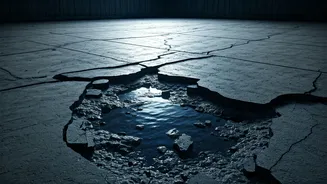
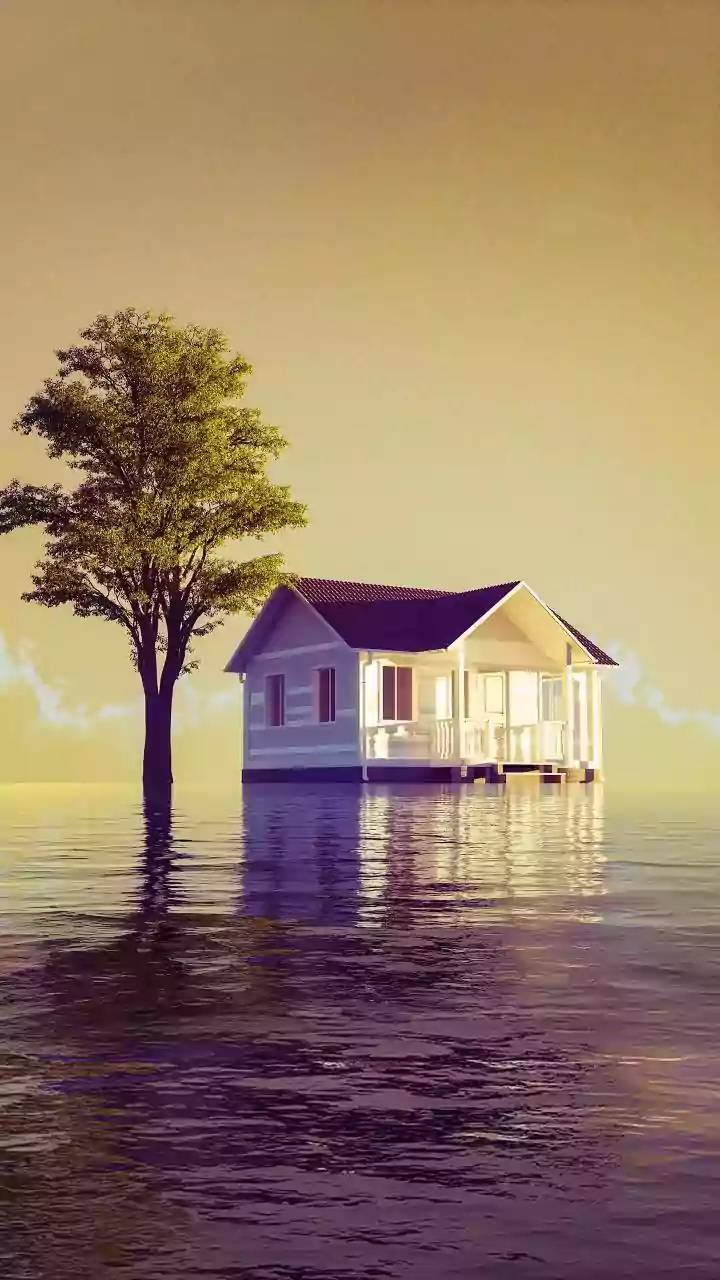
We've all seen it, especially during the monsoon: persistent pools of water that refuse to drain away from our homes. While it's tempting to ignore them, these areas of standing water are a serious red flag. Water is relentless. When it sits against your
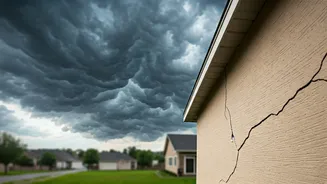
home's foundation, it slowly seeps into the concrete and masonry, weakening the structure over time. This can lead to cracks, shifting, and expensive, complex repairs. Beyond structural damage, stagnant water is a breeding ground for mosquitoes, including those that carry dengue and malaria. It also creates a damp environment perfect for mould and mildew, which can trigger allergies and respiratory issues for your family.
The Essential Fix: Proper Drainage
The single most important 'fix' isn't a product you can buy off a shelf—it's a principle: ensuring water flows away from your home, not toward it. Every solution for standing water is about improving your property's drainage. Poor drainage is usually the result of two things: compacted soil that doesn't absorb water well, or improper grading where the ground slopes towards your foundation instead of away from it. The goal is to create a clear, unobstructed path for rainwater to travel safely away from your home's perimeter.
First Steps: Quick and Easy Checks
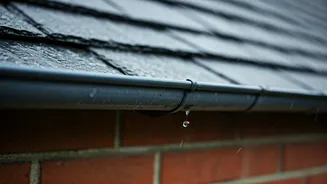
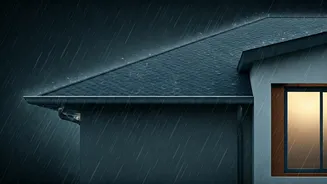
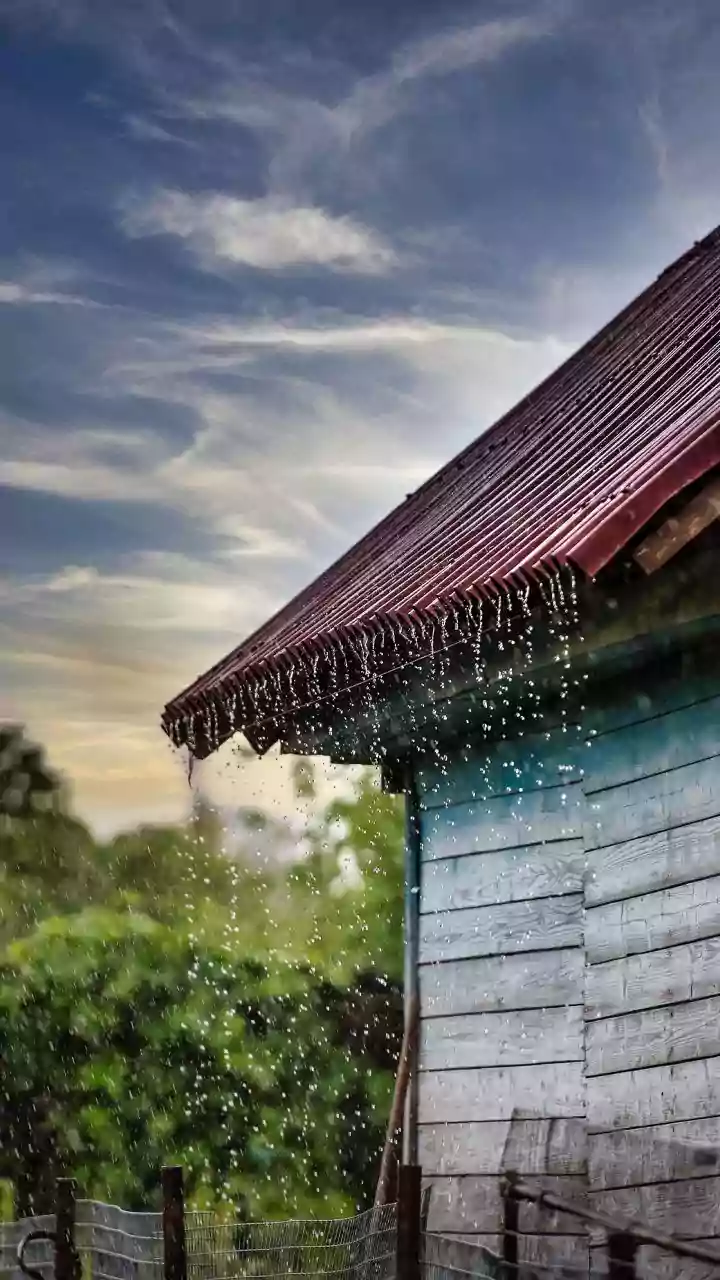
Before you call in the professionals or start digging trenches, there are a few simple things you can check yourself. First, inspect your gutters and downspouts. Are they clogged with leaves, dirt, or other debris? A simple cleaning can often solve the problem. Ensure your downspouts extend at least three to five feet away from your foundation, directing water to a part of your yard where it can be absorbed. Also, walk around your property and look for any low spots or depressions near the house where water naturally collects. Sometimes, simply filling these spots with soil can make a significant difference.
Intermediate Solution: Regrading
If your downspouts are clear but water still pools against the house, the problem is likely the slope of the land. This is known as 'negative grading.' To fix this, you need to build up the soil around your foundation to create a positive grade. The ideal slope is a drop of at least one inch for every foot you move away from the house, for a distance of about five to ten feet. You can buy topsoil and landscaping soil from a local nursery. Pile it against the foundation and use a rake to create a gentle, consistent slope away from the walls. This is a labour-intensive but highly effective DIY project for minor grading issues.
Advanced Fix: The French Drain
For more serious and persistent water problems, a French drain is an excellent and time-tested solution. A French drain isn't a drain you see on the surface; it's a gravel-filled trench containing a perforated pipe. It works by collecting water over a large area and channelling it away to a suitable exit point, like a dry well or a street drain. You dig a trench, line it with water-permeable fabric, lay down a layer of gravel, place the perforated pipe, and then fill the rest of the trench with more gravel. While some handy homeowners tackle this themselves, it's often a job best left to landscaping or drainage professionals, as it requires significant digging and proper planning to be effective.
When to Call a Professional
It's important to know your limits. If you see cracks in your foundation, have water seeping into your basement or ground floor, or if the water problem is widespread across your property, it's time to call an expert. A civil engineer or a professional drainage contractor can assess the situation comprehensively. They can identify the root cause—which could be anything from a high water table to major landscape issues—and recommend the most effective, long-term solution, which might include installing a sump pump or a more complex drainage system.