






Decoding Certifications and Logos
The first step to smarter vegan shopping is learning the language of labels. For years, Indian consumers relied on the standard green dot for vegetarian products. But as veganism grows, the need for a clearer distinction has become crucial. The Food Safety
and Standards Authority of India (FSSAI) has addressed this by introducing a mandatory, standardised vegan logo. As of a 2026 notification, all approved vegan food packages must display this logo from July 1, 2027. The official FSSAI vegan logo features a green square frame with a stylised 'V' that has a small sprouting leaf, and the word 'VEGAN' clearly written below it. This government-recognised mark provides instant assurance that the product contains no animal-derived ingredients, including dairy, honey, or any processing aids of animal origin. Until this becomes universally adopted, and for imported goods, you may see other international symbols like the Sunflower Trademark from The Vegan Society. However, be cautious of generic 'plant-based' claims on the front of a package; they are not regulated and can be misleading. Always turn the package over to verify with an official certification or a thorough ingredient check.
Mastering the Ingredient List
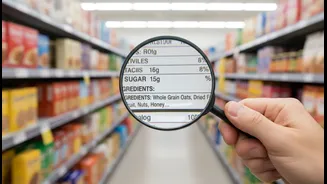
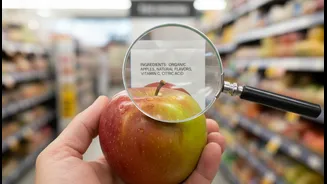
Becoming a vegan detective is the most valuable skill for conscious shopping. The ingredient list, which FSSAI legally requires to be listed in descending order by weight, is your single source of truth. The first few ingredients make up the bulk of the product. If sugar, oil, or water are at the top of a 'high-protein' snack, be sceptical. Beyond the obvious (milk, eggs), many ingredients with confusing names can hide their animal origins. Be vigilant for terms like casein and whey (milk proteins), gelatin (from animal bones), carmine or cochineal (a red dye from crushed insects), and shellac (a glaze from insects). Even some additives like Vitamin D3 can be derived from lanolin (sheep's wool). A quick search on your phone can clarify unfamiliar ingredients. Also, check the allergen information. By law, common allergens like milk, eggs, and fish must be clearly declared, often in bold. This can be a quick way to rule out a product without reading the entire list.
Focusing on Nutrition
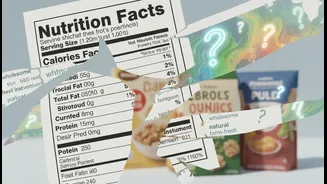
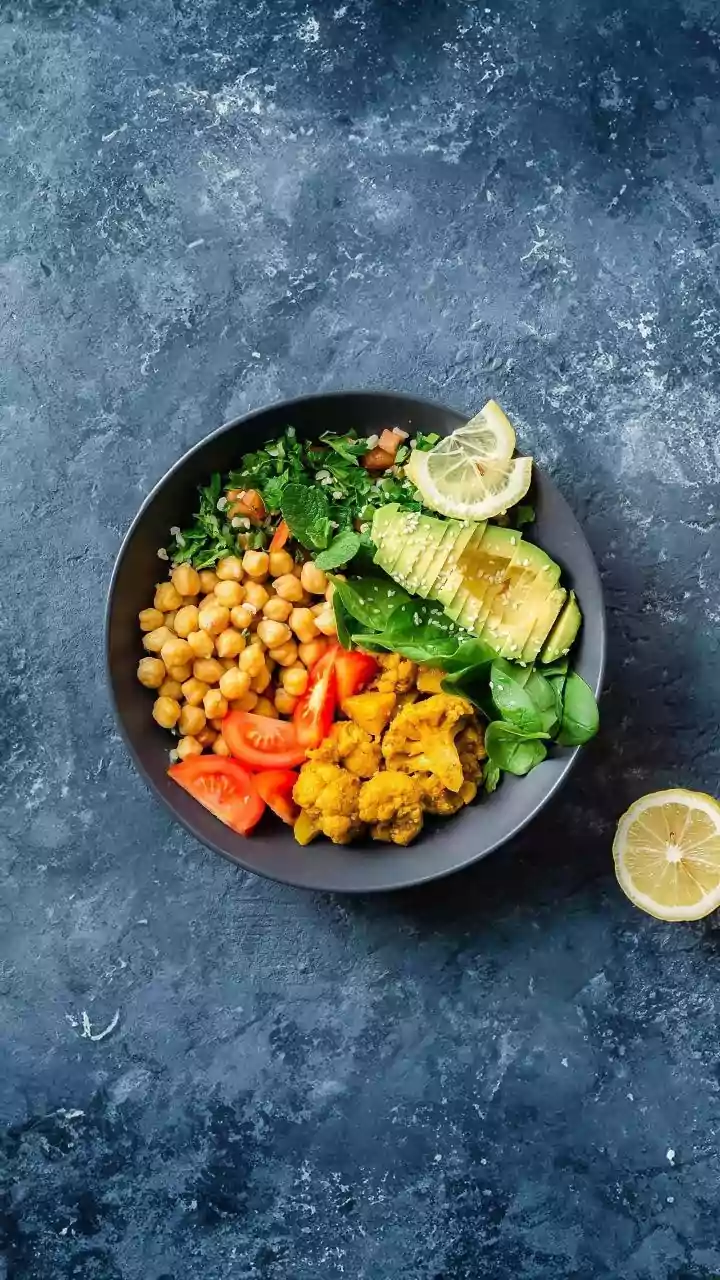
A vegan label confirms a product is free from animal ingredients, but it says nothing about its nutritional value. A vegan biscuit can be just as high in sugar, sodium, and unhealthy fats as any other. To shop smart, you must look beyond the vegan certification and analyse the nutritional information panel. Pay attention to protein. For a plant-based meat alternative to be a worthwhile swap, aim for at least 10-15 grams of protein per 100g serving. Also, consider nutrients that can be harder to obtain in sufficient amounts on a vegan diet, such as Vitamin B12, iron, calcium, and Vitamin D. Many vegan products like plant milks, cereals, and tofu are fortified with these essential nutrients. Check the label to see what percentage of your daily requirement a serving provides. Planning your meals around whole foods like legumes, grains, fruits, and vegetables is the foundation of a healthy vegan diet, with processed alternatives serving as convenient additions rather than the main focus.
Your Three-Step Shopping Check
To make it simple, apply this three-step check on your next grocery run. First, look for the official FSSAI vegan logo for a quick, reliable verification. This is your fastest way to confirm a product aligns with your ethics. Second, scan the allergen warning for 'milk' or 'eggs' and then give the ingredient list a quick once-over for common non-vegan additives. This ensures nothing has been missed. Third, glance at the nutritional panel. Check the protein content and look for fortification with key nutrients like B12 and calcium to ensure the product is not just vegan, but also beneficial to your health. This quick mental checklist will soon become second nature, empowering you to fill your cart with confidence and support a diet that is both ethical and nourishing. It turns a potentially overwhelming task into a simple, mindful practice.