



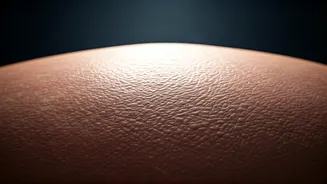


The Double-Edged Sword of Moisture
High humidity prevents your sweat from evaporating efficiently, which is your body's natural cooling system. [4, 16] This trapped moisture, while seemingly hydrating, creates a cascade of problems. It mixes with your skin's natural oils (sebum) and environmental
pollutants, creating a sticky film on your skin's surface. [3, 4] This environment causes pores to open up, making them highly susceptible to collecting dirt, oil, and allergens. [9, 12] For those with oily or acne-prone skin, this is a recipe for disaster, as the sebaceous glands are also stimulated to produce even more oil, worsening that greasy feeling and leading to clogged pores. [1, 13]
An Open Invitation for Acne and Infections
Clogged pores are just the beginning. The combination of sweat, excess oil, and dead skin cells creates the perfect breeding ground for bacteria and yeast to thrive. [3, 17] This can lead to a significant increase in acne breakouts, often referred to as 'tropical acne' in persistently humid climates. [9] Beyond typical pimples, the warm, moist conditions are ideal for fungal growth, leading to a condition called Malassezia folliculitis, or 'fungal acne'. [5, 11, 15] This appears as small, uniform, itchy bumps, often on the forehead, chest, and back, and won't respond to traditional acne treatments because the cause is yeast, not bacteria. [5, 7] This environment can also encourage other skin infections, like athlete's foot or jock itch. [19]
The Paradox: A Weakened Skin Barrier
It seems counterintuitive, but excessive humidity can compromise your skin's protective barrier. [14, 16] The skin's outermost layer, the stratum corneum, can become 'swollen' with too much water from the humid air. [3] This can disrupt the delicate lipid matrix that holds skin cells together and keeps irritants out. [14] Paradoxically, this can trick your skin into thinking it doesn't need to hold onto its own moisture, potentially leading to dehydration at a deeper level. [4] A compromised barrier is less effective at defending against pollutants and allergens, making your skin more sensitive and prone to irritation, redness, and flare-ups of conditions like eczema. [2, 3, 19]
Your Skincare Defence Plan for Humidity
Adapting your routine is key to keeping your skin healthy in humid weather. First, focus on cleansing. Double cleansing at night—starting with an oil-based cleanser and following with a gentle foam or cream cleanser—is highly effective at removing the day's buildup of oil, SPF, and grime. [1, 6] Look for cleansers with salicylic acid, a beta-hydroxy acid (BHA) that exfoliates inside the pores to dissolve built-up oil. [2, 9] Second, switch to lighter textures. Heavy creams can trap sweat and oil, so opt for lightweight, oil-free, or gel-based moisturisers. [6, 8, 13] A good moisturiser is still essential to keep the skin barrier supported, even when the air feels wet. [2, 8] Finally, don't skip sunscreen. Choose a lightweight, non-comedogenic (won't clog pores) formula to protect against UV damage without adding to the congestion. [6, 13]
Smart Habits to Minimise Damage
Beyond your products, simple lifestyle adjustments can make a big difference. Wear light, breathable fabrics like cotton to allow air to circulate and sweat to evaporate more freely. [20] After a workout or spending time sweating, shower and change into clean clothes as soon as possible to prevent sweat, oil, and bacteria from sitting on your skin. [11, 20] At home, a clay-based face mask once or twice a week can work wonders to draw out deep-pore impurities and absorb excess sebum. [6, 17] It's also wise to be mindful of your hands; avoid touching your face to prevent transferring extra bacteria and oil. [9]