
The Chai That Conquered a Nation
The milky, sweet tea so beloved across India is a relatively recent phenomenon, popularised during the British colonial era. To build a domestic market for the tea cultivated in Assam and Darjeeling, British companies in the early 20th century promoted
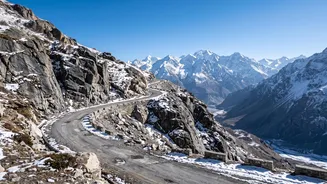
the beverage with the addition of milk and sugar, making it more palatable to local tastes. This marketing push was incredibly successful, giving rise to the 'chaiwallah' and cementing milky chai as a non-negotiable part of daily life, from bustling city streets to quiet village homes. However, this popular version of tea overshadowed the diverse, indigenous brewing practices that existed long before, especially in the remote valleys of the Himalayas. There, tea was often a savoury, nourishing, or herbal preparation, deeply connected to the climate and local flora.
The Salty, Soul-Warming Brew of the Mountains
Perhaps the most iconic milk-free Himalayan beverage is butter tea, known as 'Gur Gur Chai' in Ladakh or 'Po Cha' in Tibetan communities. This is not a sweet, delicate drink; it is a rich, savoury, and intensely warming concoction essential for survival in the harsh, high-altitude climate. Traditionally, it is made by boiling tea leaves for several hours until a strong, dark liquid called a decoction is formed. This is then churned vigorously with yak butter and salt in a special wooden churner until it becomes a smooth, creamy, and soup-like liquid. The high-calorie butter provides vital energy, helps prevent chapped lips in the dry, cold air, and offers a profound sense of comfort. For generations, it has been the first drink of the day, a welcoming gesture for guests, and a staple of the Himalayan diet.
A Sip of a Thousand Flowers
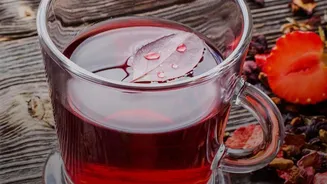
In the lower Himalayan foothills, particularly in states like Uttarakhand and Himachal Pradesh, the tea heritage is less about yak butter and more about the vibrant blossoms and leaves of the forest. One of the most cherished of these is the tea made from Rhododendron flowers, or 'Buransh' as it's known locally. During spring, the hillsides are set ablaze with the fiery red of these bell-shaped flowers. Locals handpick and sun-dry the petals to be brewed into an infusion. The resulting tea is a beautiful crimson colour with a floral, slightly tart flavour, and is cherished for its health benefits. Traditional knowledge holds that Buransh tea is excellent for heart health, acts as an anti-inflammatory, and boosts immunity. Unlike masala chai, this drink is caffeine-free and offers a pure taste of the Himalayan ecosystem.
A Living, Breathing Heritage
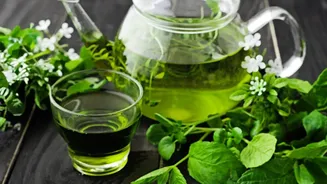
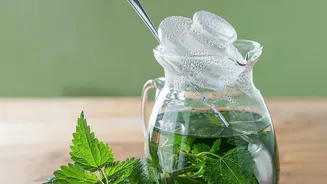
Beyond butter tea and Buransh, a whole world of herbal and milk-free infusions exists. In Himachal, stinging nettle ('Bichhu Buti') is brewed into a tea known for its medicinal properties, helping with joint pain and providing essential vitamins. In Sikkim, which produces its own unique and delicate orthodox teas, the local preference often leans towards enjoying the brew without milk to appreciate its natural floral and mellow notes. These traditions are not relics of the past; they are a living heritage. They are preserved in household kitchens, passed down through generations, and are now being discovered by travellers seeking a more authentic connection to the places they visit. Small homestays and local cafes are increasingly offering these traditional brews, providing a platform for this forgotten culture to be shared and appreciated once more.