






An Alarming Trend in Travel
The idea that nearly half of potential travellers would rather stay home than face the airport is a striking revelation. According to the 2026 Passenger IT Insights report from aviation technology firm SITA, which surveyed almost 8,000 people across 24
countries, 42% of passengers have opted out of a trip due to expected stress. This isn't just an issue for novice travellers; the trend is even more pronounced among some of the most valuable customer groups. The report found that a staggering six in ten frequent flyers have abandoned a trip over stress concerns. More than half of travellers under the age of 30 have also made the same choice, signalling a significant challenge for the future of the travel industry. This data paints a clear picture: the friction of modern travel is actively suppressing demand and costing people the chance to explore.
The Main Sources of Travel Stress
So, what specific anxieties are driving this trend? The SITA report and other experts point to a collection of common pain points that erode the excitement of a trip. The biggest culprits are operational uncertainties: flight delays and cancellations, long queues, and worries over baggage handling are top concerns. The core of the issue often comes down to a lack of information and a feeling of lost control. Passengers are most frustrated when they don't receive timely updates about changes to their journey. Interestingly, anxiety in the 'dwell time' window—the period between clearing security and boarding the plane—has tripled since 2023, with a third of passengers now reporting feeling anxious during this phase. Other common triggers include financial worries, the pressure to plan a 'perfect' vacation, navigating unfamiliar places, and the simple discomfort of being outside one's routine.
Plan Ahead to Minimize Panic
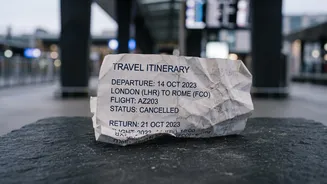
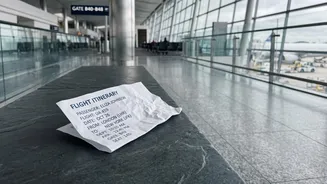
The good news is that most travel stress is manageable with proactive planning. Start by identifying your personal triggers. If you worry about money, create a detailed budget. If you fear the unknown, research your destination and print out key information like hotel addresses and flight numbers in case your phone dies. Creating a simple packing checklist can prevent last-minute scrambling. It’s also wise to prepare for the journey itself. Build extra time into your schedule; arriving at the airport earlier than you think you need to can turn a potential panic into a calm wait. Book the earliest flight of the day to reduce the chances of cascading delays. Finally, pack your carry-on with comfort in mind, including essentials like a water bottle, snacks, a portable charger, and headphones to make any unexpected delays more bearable.
Navigate Your Journey with Calm
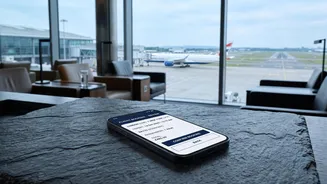
On the day of travel, your goal is to maintain a sense of control. Eight in ten travellers surveyed by SITA believe technology can help. Use airline and airport apps for real-time updates on gate changes, delays, and security wait times. Knowing what's happening, even if it's bad news, is often less stressful than uncertainty. To manage the physical symptoms of stress, remember to breathe. Simple techniques, like making your exhale longer than your inhale, can activate your body’s relaxation response. If you feel overwhelmed, try a grounding exercise like the '5-4-3-2-1' method: notice five things you can see, four you can feel, three you can hear, two you can smell, and one you can taste. This pulls your focus away from anxious thoughts and back to your immediate surroundings.
Embrace Imperfection and Enjoy the Moment
Once you arrive, resist the urge to overschedule. Trying to do too much can make a vacation feel like another job. Experts suggest picking one 'must-do' activity each day and leaving the rest of the time flexible for spontaneous discoveries or much-needed rest. Building downtime into your itinerary is crucial for avoiding burnout. If things go wrong, like a rainy day on a beach vacation, try to reframe it as an opportunity. Visit a local museum or try a new restaurant instead of dwelling on the disruption. The goal isn't a perfect trip, but a resilient one. By focusing on what you can control and embracing the adventure of the unexpected, you can reclaim the joy of travel and ensure you're not one of the four in ten who stays home.