




From Concert Goer to Music Tourist
The idea of travelling for a concert is not new, but its scale and nature have fundamentally changed. Today's young generation isn't just booking a flight for a three-hour show. They are embracing 'music tourism'—a form of experiential travel where the
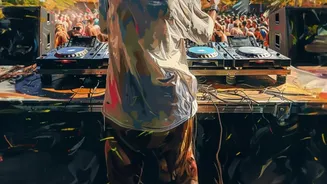
live event is the anchor for a multi-day exploration. This isn't about catching a favourite band in the nearest metro; it's about choosing a festival in a scenic valley or a concert in a historic city and building a vacation around it. A recent report from backpacker hostel chain Zostel highlights that one in three Gen Z travellers now prefers a music festival trip over a conventional holiday. These trips, often lasting five to eight nights, are a blend of music, local sightseeing, trekking, and cafe hopping, turning a single event into a rich, immersive experience.
The New Pilgrimage Hotspots
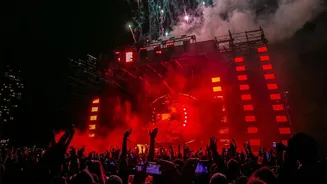
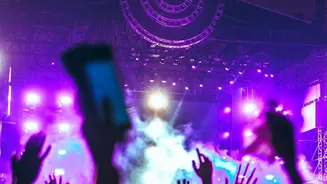
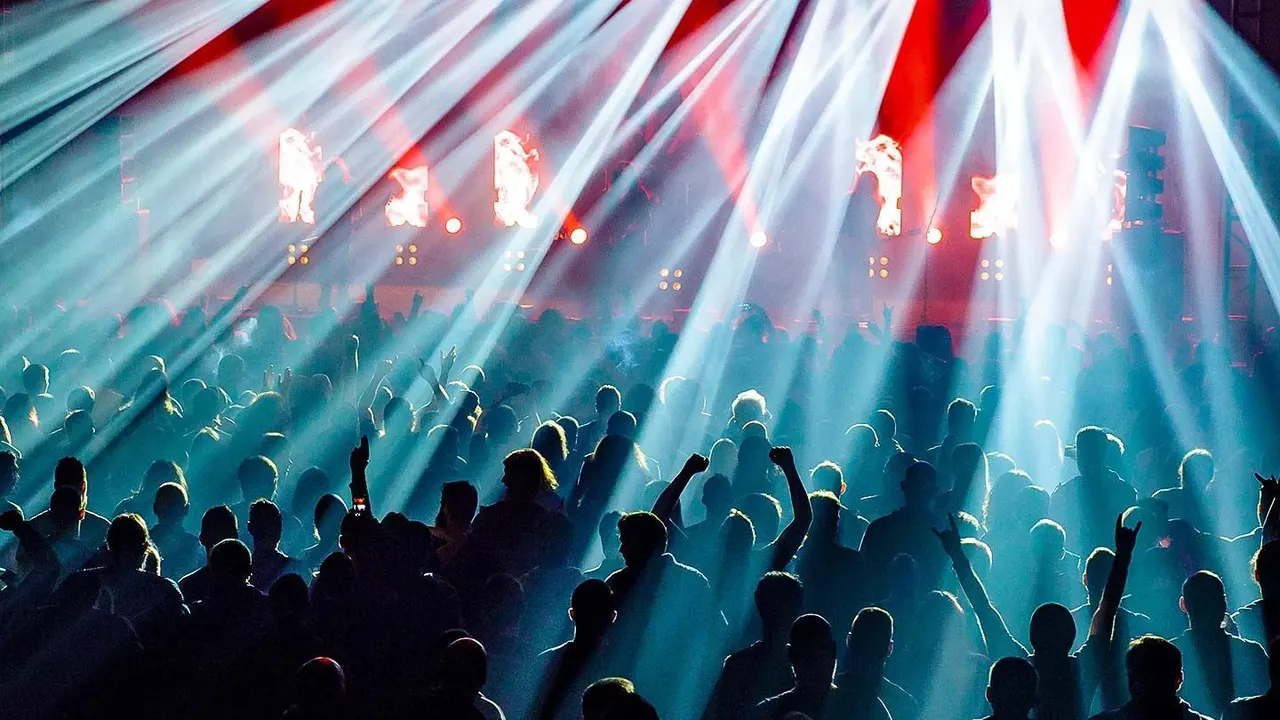
While major cities with large arenas still draw crowds, the heart of this new trend lies in destination festivals that offer more than just a lineup. Events in unique locations have become as much of a draw as the artists themselves. The Ziro Festival of Music in Arunachal Pradesh, for instance, has seen bookings grow seven to eight times year-on-year, becoming a bucket-list item for indie music lovers. Similarly, the Cherry Blossom Festival in Meghalaya and the iconic Sunburn Festival in Goa attract thousands who come for the music but stay for the landscape and local culture. Research from Airbnb shows that a staggering 76% of young Indian travellers have visited a city for the first time specifically for a music event, proving that these festivals are powerful gateways to discovering new parts of the country.
What’s Fuelling the Festival Fever?
Several factors are driving this cultural shift. Post-pandemic, there's a heightened craving for authentic, in-person experiences over material goods. For Gen Z and millennials, who prioritise 'experiential spending', a festival offers the perfect blend of adventure and community. This demographic, which accounts for nearly two-thirds of India’s music tourism market, is highly influenced by social media, where the fear of missing out and the desire for shareable moments are powerful motivators. Furthermore, with rising disposable incomes and greater independence in travel planning, young Indians are more willing to invest in these passion-led trips. Reports indicate that six out of ten Gen Z travellers are ready to allocate a significant portion of their monthly income—between 21% and 40%—to music-based travel.
A Major Boost for Local Economies
The impact of this trend extends far beyond the festival grounds. When thousands of young travellers descend on a location, they create a significant economic ripple effect. According to one estimate, every rupee spent on a concert ticket generates four to five rupees in local economic activity. Hotels, homestays, local transport providers, restaurants, and artisans all benefit from the influx of visitors. More than half of these music travellers deliberately extend their stay to explore the destination, channelling money directly into local businesses. Large-scale events can generate hundreds of crores in economic impact for a host city, boosting sectors like tourism, hospitality, and retail. This has not gone unnoticed, with the Ministry of Tourism now actively promoting regional music festivals as key tourism products under its "Dekho Apna Desh" initiative.
Finding a Tribe on the Road
Beyond the music and the travel, a huge part of the appeal is the sense of community. Interestingly, reports suggest that about 80% of travellers book these trips solo. However, they rarely stay that way. The shared experience of the journey and the festival fosters a powerful sense of belonging, allowing attendees to connect with like-minded people from across the country. For many, the social connection is as important as the musical performances. This reflects a broader trend where young travellers prioritise who they travel with—or who they might meet—over the destination itself. The festival circuit has become a modern-day meeting ground, creating temporary communities united by a love for music and exploration.