




What's Actually in Rice Water?
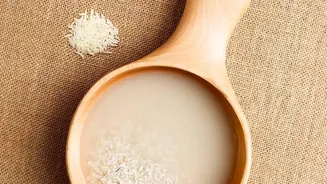
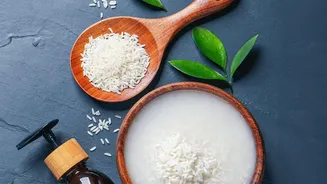
The milky appearance of rice water comes from starch leached from the rice grains. But it’s more than just starch. This liquid contains trace amounts of essential plant nutrients, including nitrogen, phosphorus, and potassium (NPK), which are the primary
building blocks for plant health. Studies have shown that washing rice can transfer a significant percentage of its water-soluble nutrients, like protein, minerals, and vitamins, into the water. While it’s not a replacement for a balanced fertilizer, rice water acts as a mild, natural supplement. The starch itself also plays a key role, feeding beneficial microorganisms in the soil. These microbes help improve soil structure and make nutrients more available to plant roots, leading to healthier overall growth.
Fresh vs. Fermented: Which is Better?
You can use rice water fresh or take an extra step to ferment it, which significantly enhances its benefits. Fermented rice water develops a richer profile of nutrients and beneficial bacteria. The fermentation process, which takes about three days, encourages the growth of microbes that can fix nitrogen and make phosphorus and potassium more available to plants. It also slightly lowers the pH of the water, making it particularly useful for acid-loving plants like tomatoes, roses, and ferns. Research has found that fermenting rice water for three days yields the highest population of beneficial bacteria and increases nutrient levels. While fresh rice water is a good start, fermented water is scientifically shown to be more potent.
How to Make and Use It
Making this garden-friendly tonic is simple. For fresh rice water, just collect the cloudy liquid from the first rinse of your uncooked rice. It's crucial to use water from rinsing plain, uncooked rice only—never use water that has been salted or oiled, as this can harm your plants. This fresh version can be used immediately, typically diluted 1:1 with plain water, though some gardeners use it straight.To make a more powerful fermented version, pour the fresh rinse water into a glass jar, cover it loosely with a cloth, and let it sit at room temperature for two to three days. It’s ready when it develops a slightly sour smell. This fermented liquid is more concentrated and should always be diluted before use, typically at a 1:10 or even 1:20 ratio with plain water. Apply it to the soil around the base of your plants, replacing a regular watering session.
The Right Plants and Frequency
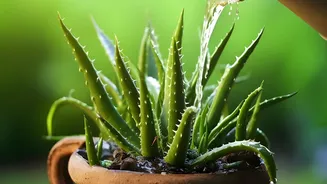
Rice water is most beneficial for fast-growing plants, leafy greens, and vegetables. Plants like pothos, spider plants, tomatoes, peppers, and various herbs respond particularly well to the gentle nutrient boost. It can also be great for tropical houseplants and flowering varieties like roses and orchids.However, moderation is key. Overusing rice water can lead to problems. The starch can build up and form a crust on the soil, attract pests like fungus gnats, or encourage mould growth. As a general rule, use diluted rice water no more than once every one to two weeks during the growing season. For succulents and cacti that prefer dry conditions, it should be used very sparingly, if at all.
Potential Risks to Be Aware Of
While generally safe, there are a few potential downsides. The starchy liquid can attract pests or lead to fungal and bacterial growth if the soil is kept too moist. In humid climates, this can sometimes result in mouldy topsoil. There's also a small concern about arsenic, which rice plants can absorb from the soil. Regular, long-term use could potentially introduce trace amounts into your plant's soil, although occasional use is not considered a significant risk. The most common mistake is using it too frequently or without proper dilution, which can lead to hardened soil or an unpleasant sour smell indoors. Always watch your plants for any negative signs after introducing a new element to their care routine.