





Planning a safari in Kaziranga National Park can be as thrilling as it is confusing. This UNESCO World Heritage Site is divided into four distinct tourism zones, each offering a unique landscape and wildlife experience. So, which one is right for you?
Central Range (Kohora): The Classic Experience
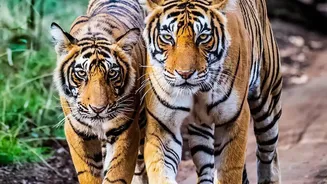
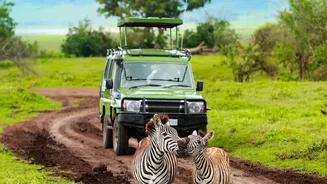
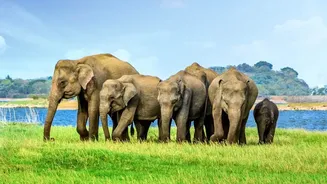
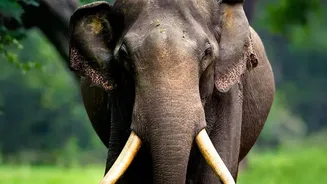
The Central Range, with its entry gate at Kohora, is the most popular and accessible zone, making it the top choice for first-time visitors and families. Its landscape is a quintessential mix of tall elephant grass, open wetlands, and patches of forest, offering a well-rounded Kaziranga experience. This zone is famous for consistent sightings of the greater one-horned rhinoceros, Asian elephants, wild water buffalo, and swamp deer. While tigers are present, the dense grass can make them elusive. Both jeep and elephant safaris operate from this range, providing varied ways to explore. Given its popularity and proximity to most hotels, it's often the busiest part of the park.
Western Range (Bagori): Best for Rhino Sightings
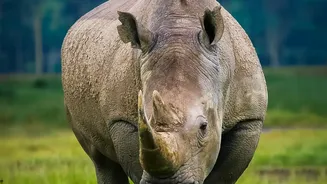
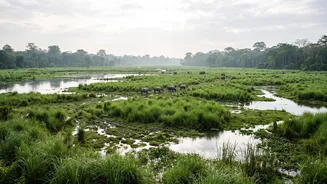
For those whose primary goal is to see the iconic one-horned rhino up close, the Western Range at Bagori is widely considered the best option. The terrain here is dominated by open grasslands and numerous water bodies, which makes spotting wildlife relatively easier and offers fantastic opportunities for photographers. It boasts one of the highest densities of rhinos in the park, and sightings are very frequent. Like the Central Range, Bagori also offers both jeep and elephant safaris. Though slightly less crowded than Kohora, it remains a very popular choice, especially for those seeking impactful wildlife encounters. Many seasoned visitors recommend doing one safari in the Central Zone and another in the Western Zone to get a comprehensive experience.
Eastern Range (Agaratoli): A Paradise for Birdwatchers
If you are a keen birdwatcher or simply prefer a quieter, more serene safari, the Eastern Range at Agaratoli is your ideal destination. This zone is characterized by its vast wetlands and proximity to the Brahmaputra River, creating a perfect habitat for a huge diversity of birdlife. From November to April, it becomes a haven for migratory birds, including spot-billed pelicans, various storks, and Pallas's fish eagles. While rhinos and elephants are still seen here, the primary draw is the avian population and the tranquil atmosphere with far fewer jeeps than the other ranges. Only jeep safaris are available in this zone.
Burapahar Range: The Offbeat Forest Adventure
For the adventurous traveler looking to get off the beaten path, the Burapahar Range offers a completely different perspective of Kaziranga. Unlike the flat grasslands of the other zones, Burapahar features a hilly, densely forested terrain. This makes wildlife sightings require more patience, but the experience feels more raw and immersive. This is the only zone where you have a chance to spot the Hoolock Gibbon, India's only ape species. It is the least crowded of all the ranges and even offers opportunities for trekking on designated trails, a unique activity within the park. Jeep safaris are the mode of exploration here, perfect for those who enjoy the forest as much as the animals within it.