

What Exactly Is 'Waterless' Beauty?
At its core, waterless (or anhydrous) beauty refers to products formulated without water. [18] Traditionally, lotions, creams, and shampoos list 'aqua' or water as their first and most abundant ingredient, often making up 70-80% of the product. [3] Waterless
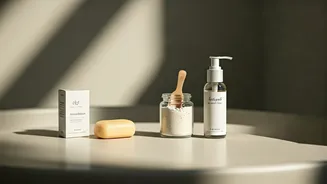
alternatives scrap the H2O in favour of concentrated oils, butters, waxes, or botanical extracts, delivered in innovative formats like solid bars, powders, or balms. [14] Think shampoo bars, cleansing powders that you activate with water in your palm, solid moisturiser sticks, and rich face oils. The main appeal is that without water as a cheap filler, these products can be more potent, packed with higher concentrations of active ingredients. [5, 7] Furthermore, the absence of water drastically reduces the need for synthetic preservatives, as microbes thrive in water-based environments. [3, 9]
An Answer to an Unspoken Crisis
The conversation around waterless products is impossible to have in India without addressing the elephant in the bathroom: water scarcity. Across the country, major cities like Bengaluru, Delhi, Mumbai, and Chennai are grappling with severe water shortages, exacerbated by delayed monsoons, heatwaves, and dwindling groundwater levels. [2, 11] According to reports from June 2026, reservoir levels in many parts of the country have dipped alarmingly low, with Mumbai reportedly having only about a month of water left. [2, 12] While a shampoo bar won't solve a national water crisis, adopting water-conscious products is a tangible, personal step towards conservation. It acknowledges that freshwater is a finite resource, and every drop saved in manufacturing and daily use contributes to a larger, more sustainable effort. [9] This aligns with a growing consumer desire for sustainable and ethical beauty choices. [15]
Perfectly Formulated for Our Climate
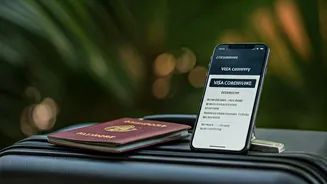
Beyond sustainability, waterless beauty offers practical advantages perfectly suited to the Indian climate. In the sticky humidity of a monsoon or the sweltering heat of summer, heavy, water-based creams can feel slick and refuse to absorb. Waterless products, particularly oils and lightweight balms, can offer potent nourishment without the greasy residue. [7] Their concentrated nature means a little goes a long way, and their solid formats make them incredibly travel-friendly. [9] There are no spills to worry about in your bag and no navigating the 100ml liquid limit at airports—a small but significant convenience for the modern Indian on the move. The longer shelf life, due to the lack of water and preservatives, also means less product wastage. [6]
A Modern Nod to Ancient Traditions
The concept of water-activated beauty is not new to India; it's a return to our roots. [8] For centuries, Indian beauty rituals have revolved around powders and pastes. [18] The most famous example is *ubtan*, a powdered blend of gram flour (*besan*), turmeric (*haldi*), sandalwood, and other herbs. [22, 23] This dry mixture is traditionally mixed with milk or rose water just before use to create a fresh, potent cleanser and exfoliant for the face and body. [25] Similarly, clays like *multani mitti* (Fuller's earth) have always been used in a powdered form, activated with liquid to draw out impurities. These ancient practices are inherently waterless in their packaged state, preserving the ingredients' efficacy until the moment of use. The rise of waterless beauty today feels like a modern interpretation of this age-old wisdom. [26]