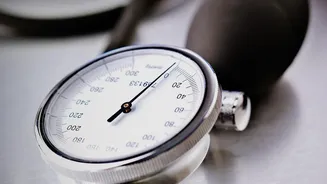







The Hydration-Blood Pressure Connection
Your blood is composed mostly of water. When you are properly hydrated, your heart can pump blood more efficiently. When you don't drink enough fluids, your blood volume decreases. This forces your heart to work harder to circulate blood throughout your body.
This strain can lead to changes in blood pressure, affecting your overall cardiovascular health. Maintaining good hydration helps ensure your circulatory system runs smoothly, reducing unnecessary stress on your heart.
The Double-Edged Sword of Dehydration
Dehydration can paradoxically contribute to both low and high blood pressure. Initially, as your blood volume drops from fluid loss, your blood pressure can fall dangerously low, a condition called hypotension. This can cause dizziness, lightheadedness, and in severe cases, shock, as organs don't get enough oxygen. In response to this drop, or due to chronic dehydration, the body releases hormones like vasopressin. This hormone constricts blood vessels and causes the kidneys to retain sodium and water, which can push blood pressure up, sometimes to high levels.
How Much Fluid Is Enough?
While needs vary based on age, climate, health conditions, and activity level, there are general guidelines. The National Academies of Sciences, Engineering, and Medicine in the US suggests a total daily fluid intake of around 3.7 litres (about 15.5 cups) for men and 2.7 litres (about 11.5 cups) for women. This includes all beverages and the water from foods. A simpler target is that about 80% of this should come from drinks, which translates to roughly 13 cups for men and 9 cups for women. A good indicator of adequate hydration is pale-yellow urine.
More Than Just Water
About 20% of your daily fluid intake comes from solid foods, particularly fruits and vegetables with high water content like watermelon, cucumbers, and oranges. Beyond plain water, other beverages can also contribute to your daily needs. Unsweetened teas, milk, and clear soups are excellent hydrating options. It's wise to limit sugary drinks, sodas, and excessive caffeine, as they can add unnecessary calories and sometimes have a diuretic effect. The key is to focus on fluids that replenish your body without adding excess sugar or sodium.
Simple Tips to Stay Hydrated
Integrating more fluids into your day doesn't have to be a chore. Start your day with a glass of water to rehydrate after sleep. Carry a reusable water bottle with you as a constant visual reminder. Set alarms on your phone or use a hydration-tracking app if you tend to forget. You can also 'eat' your water by incorporating more water-rich fruits and vegetables into your meals and snacks. Finally, listen to your body; if you feel thirsty, you're already on your way to being dehydrated, so drink up.