



What Is the Chair-Stand Test?
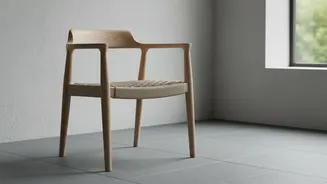
The 30-second chair-stand test is exactly what it sounds like. It's a functional fitness assessment that measures lower body strength and endurance. To perform it, you sit in the middle of a standard-height chair without arms, with your feet flat on the floor.
With your arms crossed over your chest, you stand up to a full standing position and then sit back down again, repeating this as many times as you can in 30 seconds. Long used by physical therapists and in studies on ageing, it's a reliable way to gauge a person's functional mobility. If a person has to use their arms to push off, their score is zero, highlighting a significant lack of lower-body strength.
From Clinical Tool to Viral Trend
Originally developed to assess fitness in older adults, the test has found a new life online. Recent interest has surged, with online searches for the exercise increasing significantly. Health influencers and fitness experts are popularising it as a simple, at-home benchmark for long-term health. What makes the test so compelling is its accessibility and immediate feedback. It doesn’t require a gym or special equipment, just a chair and a timer. This shift from a clinical measure to a wellness trend highlights a growing public interest in functional fitness—the kind of strength that supports everyday activities and promotes independence as we age.
A Barometer for Stability and Form
The number of repetitions is only part of the story. The quality of each movement—the form—is just as crucial. A high score achieved with wobbly knees, a rounded back, or using momentum reveals underlying issues with stability and core strength. The test is a proxy for your body's ability to perform one of life's most fundamental movements: getting up and down. This motion requires a coordinated effort from your leg muscles, glutes, and core. Poor performance is a strong predictor of an increased risk of falls, especially in older populations, because it signals a decline in the very muscle groups responsible for balance and stability.
The Science of a Longer, Healthier Life
The link between sit-to-stand ability and longevity isn't just speculation. Numerous studies have validated its use as a predictor of health outcomes. Research has shown that performance on this test correlates with functional independence and is a key indicator for detecting early declines. Scores below the average for one's age group are associated with a higher risk for falls and frailty. For example, according to data used by the CDC, a man in his late 60s should be able to complete at least 12 repetitions, while a woman of the same age should aim for at least 11. Falling short of these benchmarks can be a clear signal that it's time to focus on building foundational strength.
How to Improve Your Score and Stability
If your score isn't what you'd hoped, the good news is that it's highly trainable. The best way to improve is to practice the movement itself. Start by performing controlled sit-to-stands, focusing on good form rather than speed. Keep your chest up, engage your core, and drive through your heels as you stand. If it's too difficult, begin with a higher chair or place a cushion on the seat to reduce the range of motion. As you get stronger, you can progress to a lower surface. Complementary exercises that build the necessary muscles include bodyweight squats, glute bridges, step-ups, and hip hinges. A 2019 study found that performing sit-to-stand exercises three times a week significantly improved muscle strength in frail older adults.