




The Rise of the ‘Screen Slouch’
The digital age has reshaped our lives, but it has also reshaped our bodies. Long hours spent hunched over laptops, endless scrolling on smartphones, and the shift to work-from-home culture have created a silent epidemic of poor posture. This constant
forward-leaning position, often dubbed ‘tech neck’ or ‘screen slouch,’ puts immense strain on the neck, shoulders, and spine. For young professionals and students in India, this has led to a surge in chronic back pain, tension headaches, and overall fatigue. This physical discomfort has sparked a search for accessible, holistic wellness practices that go beyond the gym, leading many to look down at their own two feet.
What Is This Barefoot Movement?
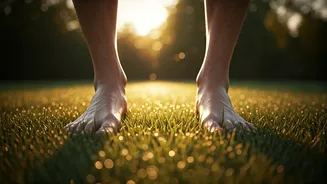
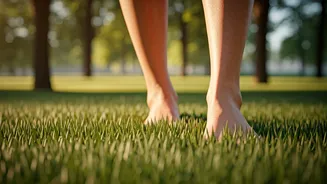
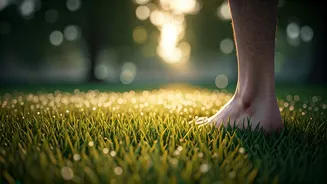
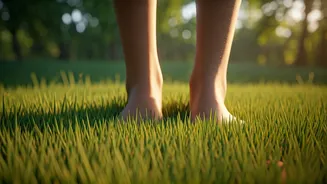
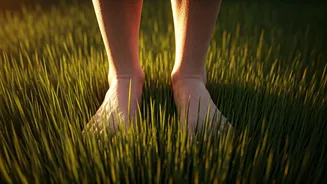
Don’t mistake it for a formal, organised club. The ‘barefoot movement’ is a grassroots wellness trend centered on reconnecting with the ground beneath us. It involves performing simple movements, stretches, and drills on natural surfaces like a grassy lawn, without shoes. The philosophy is simple: modern footwear, with its cushioned soles and rigid support, can weaken the intricate network of muscles, ligaments, and nerves in our feet. By going barefoot, we re-engage these foundational structures. Proponents believe this practice, also linked to concepts like ‘grounding’ or ‘earthing’, does more than just help the feet; it initiates a positive chain reaction that travels up the entire body, helping to realign the spine and improve overall posture.
The Science of Going Shoeless
The magic lies in a concept called proprioception—your body's ability to sense its position in space. Your feet are packed with nerve endings that send constant feedback to your brain. When you walk barefoot on an uneven, natural surface like grass, these nerves fire up, enhancing your brain’s awareness of your balance and alignment. This forces the small, stabilising muscles in your feet and ankles to work harder. As these foundational muscles get stronger, they provide a more stable base for your entire body. This improved stability can reduce strain on your knees, hips, and lower back, allowing your spine to settle into a more natural, upright posture. It’s a bottom-up approach to fixing a top-down problem.
Simple Drills to Get Started
Ready to kick off your shoes? Find a clean, safe patch of lawn and start slowly. Dedicate just 5-10 minutes to begin with. 1. **Mindful Walking:** Simply walk slowly and deliberately across the grass. Pay attention to how your foot lands—from heel to toe—and feel the texture of the ground. This alone helps awaken dormant nerves. 2. **Toe Curls and Splaying:** Stand or sit and try to grip the grass with your toes, as if you’re making a fist. Hold for a few seconds, then release and spread your toes as wide as possible. Repeat 10-15 times to strengthen the arches. 3. **Heel-to-Toe Rocks:** Stand with your feet hip-width apart. Slowly rock your weight forward onto the balls of your feet, lifting your heels. Then, rock back onto your heels, lifting your toes. This gentle motion improves balance and ankle flexibility. 4. **Single-Leg Balance:** Try standing on one foot for 15-30 seconds. The uneven surface of the lawn will challenge your stability, forcing your core and leg muscles to engage to keep you upright.
Safety and Smart Practices
While the benefits are compelling, it’s important to be smart. Always inspect the lawn first for sharp objects, insects, or uneven holes. If you have spent most of your life in supportive shoes, your feet will be sensitive. Start with short sessions and gradually increase the duration as your feet adapt. Listen to your body; if you feel any sharp pain, stop immediately. Individuals with diabetes, peripheral neuropathy, or specific foot conditions should exercise caution and consult a healthcare professional before trying barefoot activities, as reduced sensation can increase the risk of injury.