



The Hardy Snake Plant
The Snake Plant, or Sansevieria, is a champion of resilience and a perfect starting point for combating indoor humidity. Its tough, vertical leaves are not just for show; they have a unique ability to absorb moisture from the air, especially in humid environments
like bathrooms and kitchens. What makes it ideal for Indian rental homes is its incredibly low-maintenance nature. It thrives on neglect, tolerates low light conditions, and requires infrequent watering. During the night, it continues to absorb carbon dioxide and release oxygen, which can help improve air quality for a better night's sleep in a stuffy bedroom. Place it in a corner that feels particularly damp, and let this architectural plant stand guard against moisture.
The Elegant Peace Lily
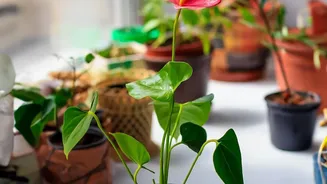
Don't let its delicate appearance fool you; the Peace Lily (Spathiphyllum) is a powerhouse when it comes to improving indoor environments. Known for its beautiful white spathes and glossy dark leaves, this plant absorbs moisture through its foliage, helping to reduce ambient humidity levels. It's an excellent choice for living rooms and even bathrooms, as it prefers bright, indirect light but can tolerate lower light levels. The Peace Lily has another major benefit: it is one of the best plants for purifying the air, known for its ability to filter out common indoor toxins. A drooping Peace Lily is also a helpful visual reminder that it needs a drink, making it easy to care for even for novice plant parents.
The Prolific Spider Plant
The Spider Plant (Chlorophytum comosum) is a classic for a reason. This adaptable plant is highly effective at absorbing excess moisture from the air, making it ideal for damp rooms. Its arching leaves create a large surface area for this process. Spider Plants are known for being incredibly easy to care for and propagate, often sprouting small 'spiderettes' that can be repotted to create new plants. They are resilient and can thrive in various conditions, although they prefer bright, indirect light. Beyond controlling humidity, Spider Plants are celebrated for their air-purifying capabilities, efficiently removing common toxins like formaldehyde and xylene from the environment.
The Lush Boston Fern
With its dense, feathery fronds, the Boston Fern (Nephrolepis exaltata) is a natural dehumidifier that thrives in the very conditions you want to combat. This plant loves humidity and absorbs moisture from the air through its leaves, helping to balance the environment in your home. Boston Ferns are perfect for adding a touch of lush greenery to bathrooms or kitchens where steam and moisture are common. While they require a bit more attention than Snake Plants, their effectiveness in restoring moisture balance and purifying the air of toxins makes them a worthwhile addition. To keep it happy, ensure the soil stays consistently moist and provide it with indirect light.
The Versatile English Ivy
English Ivy (Hedera helix) is a beautiful trailing vine that is well-known for its ability to thrive in humid conditions, making it an excellent choice for moisture control. It actively reduces excess moisture in the air, which can help prevent the growth of mould spores. Its cascading vines make it a perfect candidate for hanging baskets or placing on a high shelf, allowing it to add a decorative touch while it works. English Ivy prefers bright, indirect light and a consistently moist environment. Due to its dense growth and air-purifying qualities, it helps create a healthier and fresher living space, especially in smaller, enclosed rooms.
The Ancient Wisdom of Clay
Beyond plants, one of the oldest materials known to man can be your best friend during the monsoon: clay. Unglazed terracotta, being porous, naturally absorbs moisture from the air. This is a simple, affordable, and aesthetically pleasing way to tackle dampness without electricity. Consider placing unglazed terracotta bowls filled with coarse salt or charcoal in musty wardrobes or damp corners; the salt and charcoal are also desiccants, and the clay bowl provides a breathable container. Even empty terracotta pots, decorative figures, or beads can act as passive dehumidifiers. When they feel damp, you can simply place them in the sun for a few hours to dry them out, 'recharging' them to absorb more moisture.