

The Search for Something Real
A growing wave of Indian travellers is now deliberately avoiding crowded tourist hubs in favour of quieter, more authentic experiences. The post-pandemic world has accelerated this shift, with a heightened desire for open spaces and meaningful connections.
It’s no longer just about ticking off a famous monument; it’s about the experience. Travellers are seeking the unscripted moments, whether it's waking up to the sound of birds in a Himalayan homestay or sharing a meal with a local family in a remote village. This quest for authenticity has led to a surge in interest for offbeat destinations, with travel platforms noting a significant rise in searches for places that promise peace over parties.
New Roads to New Adventures
This trend isn't just about a change in mindset; it’s also driven by concrete and asphalt. A massive upgrade in India's infrastructure is unlocking previously hard-to-reach corners of the country. New expressways are becoming 'tourism corridors', connecting major cities to remote wildlife sanctuaries and heritage sites in a single, smooth journey. The expansion of railways, including scenic new routes, is further extending tourism's reach. This improved connectivity means that a weekend trip to a secluded forest lodge or a journey to a high-altitude valley is no longer a logistical nightmare, making spontaneous and shorter getaways more feasible for many.
The Rise of the Homestay
The way people stay is also changing. Instead of large, impersonal hotels, many travellers are opting for homestays, eco-lodges, and boutique guesthouses. This model offers a win-win: travellers get a unique, intimate look into local life, while rural communities gain a source of income without massive capital investment. Government initiatives like the Swadesh Darshan 2.0 scheme and specific policies to promote homestays in tribal and rural areas are providing a structured push to this grassroots movement. This shift is empowering local entrepreneurs, particularly women, and helping to distribute the economic benefits of tourism more evenly across the country.
Spotlight on Emerging Frontiers
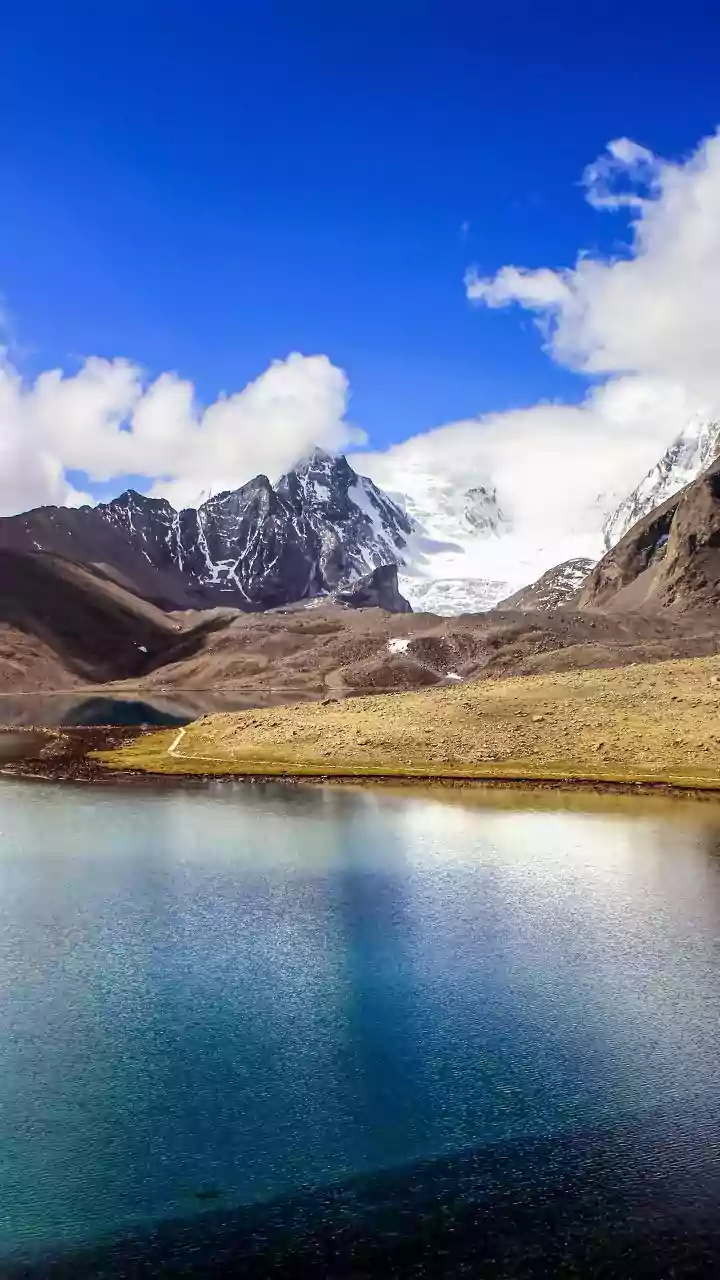
So, where is everyone going? The new travel map of India is dotted with places once considered far-flung. The serene valleys of the Northeast, like Ziro in Arunachal Pradesh and Dzukou in Nagaland, are gaining popularity for their pristine landscapes and unique cultures. Lesser-known wildlife reserves such as Satpura in Madhya Pradesh are attracting wildlife enthusiasts looking for an alternative to the crowded tiger parks. In the south, destinations in Kerala like Wayanad and Vagamon offer lush greenery and wellness experiences away from the main tourist trail. Even states like Gujarat and Rajasthan are seeing travellers explore beyond the main cities, venturing into desert eco-camps and heritage towns like Mandawa.
A Path That Needs Care
While this boom in rural and wildlife tourism brings immense opportunities for economic growth and cultural exchange, it also comes with significant challenges. The very charm of these destinations lies in their untouched nature and fragile ecosystems. An unplanned influx of tourists can lead to environmental degradation, put a strain on local resources, and risk the commercialization of authentic cultures. The key to success lies in sustainable and responsible tourism. This requires careful planning, robust policies that prioritize local community involvement, and a conscious effort from travellers to minimize their footprint and respect the places they visit.