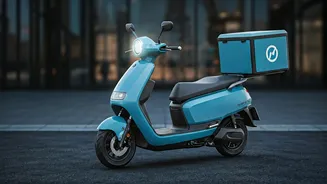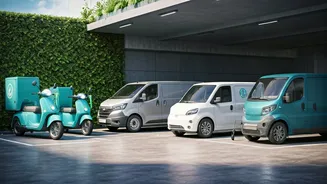



The Promise: Lower Costs and Cleaner Air
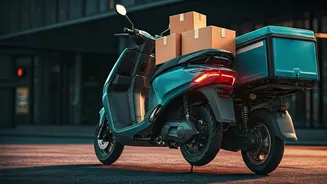
On paper, the logic is flawless. The government, through schemes like PM E-DRIVE, is encouraging a nationwide shift to EVs to cut emissions and reduce fuel dependency. For a delivery rider, this translates into significant potential savings. Studies show
the total cost of ownership (TCO) for an electric two-wheeler can be 42-58% lower than a petrol equivalent, with fuel costs dropping by as much as 70-81%. A recent CEEW report calculated the per-kilometre cost of an e-scooter at just ₹1.48, compared to ₹2.46 for a petrol model. These savings could boost a gig worker's net income by up to 18%, a life-changing margin in a tough industry. The environmental argument is just as compelling; a full transition by gig workers could slash urban emissions significantly.
The Rider's Burden: High Upfront Costs
The first major hurdle is the sticker price. Despite subsidies, which can range from a central government incentive of around ₹5,000 to more substantial state-level support, an EV is often priced 1.5 to 2 times higher than its petrol counterpart. For a gig worker with fluctuating income and limited access to formal credit, this initial investment is a formidable barrier. While some companies offer rental or subscription models to bypass this, the fundamental challenge of vehicle ownership remains. Many workers are caught in a difficult choice: stick with a familiar, cheaper petrol vehicle or take on the financial risk of going electric.
The Charging Conundrum: Range and Reliability
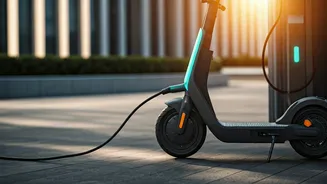
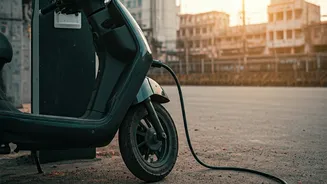
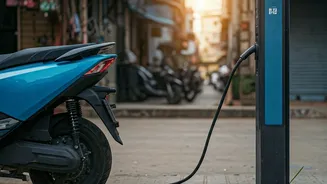
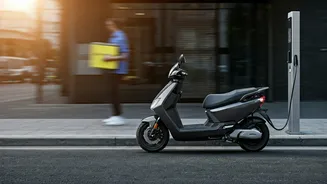
Once a rider has an EV, the next challenge is keeping it powered. 'Range anxiety'—the fear of running out of charge—is a major deterrent for potential buyers. While many e-scooters offer a range of 80-120 km, which is often sufficient for daily city use, the gruelling, unpredictable schedule of a delivery worker pushes these limits. The real issue is often 'charging anxiety': the struggle to find a reliable, functioning charging station. India's public charging infrastructure is still developing, with one report noting a ratio of one public charger for every 135 EVs, and many stations concentrated in major metro hubs or suffering from downtime. This leaves workers losing precious earning hours waiting for a vehicle to charge.
A Swapping Solution Emerges
To combat downtime, battery swapping has emerged as a game-changing solution. Companies like Gogoro and VoltUp are building networks where a rider can exchange a depleted battery for a fully charged one in minutes, sometimes in as little as 30 seconds. This model eliminates charging delays and also lowers the vehicle's upfront cost, as the battery (the most expensive component) can be provided as a service. It transforms the EV from a product that needs hours of stationary charging into a tool that can be 'refuelled' almost instantly, aligning perfectly with the high-uptime demands of last-mile delivery. However, the reach of these swapping networks is still largely limited to major urban centres, and a lack of battery standardisation across manufacturers remains a challenge.
The Road Ahead: Bridging the Gap
For India's EV push to truly succeed, policy must align with the pavement-level reality of its most crucial users. While the long-term economic case for EVs is strong, the transition needs to be de-risked for the individual worker. This means more than just vehicle subsidies; it requires innovative financing for low-income buyers, a rapid and reliable build-out of both charging and swapping infrastructure, and ensuring the vehicles themselves are durable enough for the demands of commercial delivery. As companies and policymakers focus on deploying thousands of EVs, the success of the mission will ultimately depend not on the number of vehicles on the road, but on whether the gig worker behind the handlebars finds it a viable way to earn a living.