






The European Dream Meets a Reality Check
For decades, a trip to Paris, Switzerland, or London was the ultimate travel goal for many Indian families. It symbolised a grand vacation, carefully planned and saved for. Today, however, the dream is clashing with a frustrating reality. The biggest
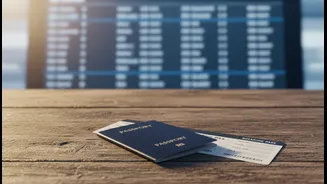
hurdle is the Schengen visa process, which has become a significant source of stress. Aspiring travellers report long and unpredictable wait times for visa appointments, sometimes stretching for weeks or even months, putting entire holiday plans in jeopardy. In fact, some travel agencies have noted a 10-15% drop in confirmed European bookings simply because appointments are unavailable. Compounding the issue are soaring costs. Rising airfares, driven by geopolitical tensions forcing longer flight routes, have made tickets to European hubs painfully expensive. When combined with high daily expenses on the continent, the cost of a European holiday has become a major deterrent.
The Irresistible Pull of Asia
As Europe becomes more complex to access, Asia is rolling out the welcome mat. The primary draw is convenience. Many Southeast Asian countries have simplified their entry requirements for Indians, offering visa-free entry, visa-on-arrival, or straightforward e-visa systems. Nations like Thailand, Malaysia, and Sri Lanka have recently eased their visa rules, making spontaneous trips a real possibility. This stands in stark contrast to the document-heavy and time-consuming Schengen application process. The proximity of these destinations also means shorter flights, which is a huge plus for families and those looking for a quick getaway. A flight to Bangkok or Kuala Lumpur takes just a few hours, compared to the long-haul journeys to Europe.
A Clear Winner on Cost and Value
When it comes to finances, the comparison is stark. A week-long trip to Thailand or Vietnam can often cost less than a premium domestic holiday in India, making international travel more accessible than ever. The cost of living in most Southeast Asian countries is significantly lower than in Western Europe. Everything from food and local transport to accommodation is more budget-friendly. Data suggests that daily expenses in Western Europe can average between $100-150, while in Southeast Asia, the figure is closer to $35-50. This favourable exchange rate and lower overall cost mean that travellers can often enjoy a longer and more luxurious experience in Asia for the same budget as a shorter, more constrained trip in Europe.
The Shift in Travel Mindset
This trend is about more than just visas and money; it reflects a change in how Indians want to travel. The rigid, meticulously planned itineraries required for Europe are giving way to a desire for more flexible and spontaneous travel, which Asia facilitates perfectly. The experience itself is different. While Europe offers history, art, and grand architecture, Southeast Asia provides a vibrant tapestry of culture, stunning natural landscapes, world-class beaches, and incredible culinary adventures. Travel industry data clearly shows this shift. Bookings for family trips to Asian countries have reportedly jumped by 30-40% year-on-year, while European travel bookings have seen a decline.
India’s New Favourite Playgrounds
So, where are Indian travellers flocking? Thailand remains a perennial favourite, thanks to its beautiful beaches, vibrant street life, and excellent food. Vietnam has emerged as a breakout star, with Indian arrivals growing by nearly 60% in early 2026, drawn by its unique landscapes from Halong Bay to the lantern-lit streets of Hoi An. Indonesia, particularly Bali, continues to charm with its blend of spirituality and adventure. Malaysia offers a seamless mix of modernity in Kuala Lumpur and natural beauty in Langkawi, with the added benefit of visa-free entry for Indians. Other popular and easily accessible spots include Sri Lanka, the Maldives, and Nepal, each offering a distinct experience just a short flight away.