



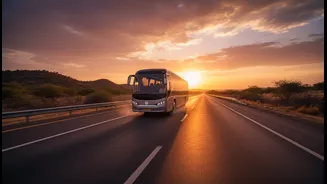

A New Era of Road Travel
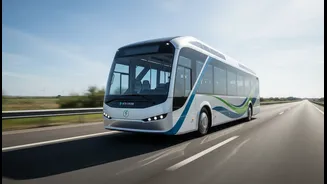
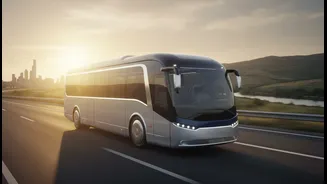
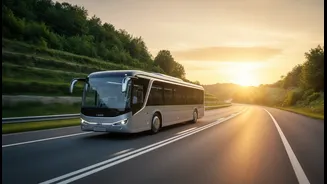
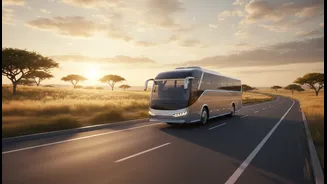
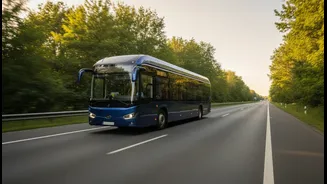
A quiet hum has replaced the familiar roar of diesel engines on some of India's busiest highways. A new fleet of premium electric intercity buses from operators like NueGo and FreshBus is changing how people think about road trips. These services promise
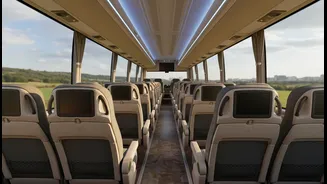
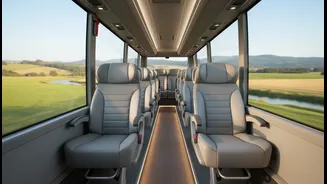
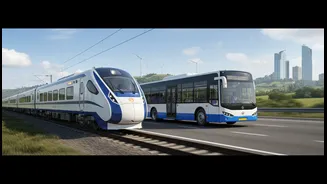
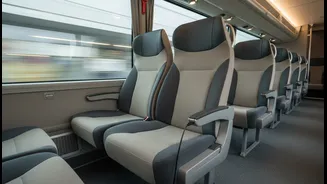
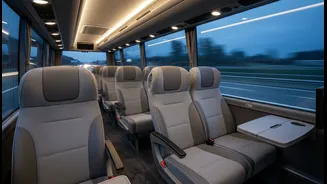
a comfortable, tech-enabled, and sustainable travel experience. Featuring recliner seats, individual charging ports, and a near-silent ride, they aim to merge the affordability of bus travel with the comfort of more premium options. These buses operate on major routes such as Delhi-Chandigarh, Bangalore-Chennai, and Bhopal-Indore, positioning themselves as a modern solution for the intercity traveller. But before you book, it’s crucial to look past the sleek branding and understand the practical differences.
The Journey Time Equation
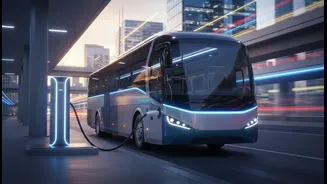
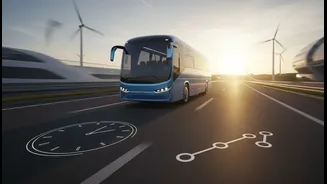
One of the biggest variables in e-bus travel is the total journey time, which isn't always what it seems. While these buses are modern and efficient, they are still subject to road traffic. More importantly, many routes require a mid-journey charging stop. For example, a trip from Bangalore to Chennai might include a stop for nearly an hour to recharge. This can extend the total travel time, sometimes making the journey longer than a comparable trip on a diesel-powered Volvo or state-run bus. While some operators like NueGo run buses with a range of around 250 km on a single charge, longer routes will inevitably involve these charging halts. Travellers should factor in this potential delay, as a promised 30-minute break can sometimes stretch closer to an hour.
Decoding the Stops
Beyond the mandatory charging halt, the number of passenger pick-up and drop-off points significantly impacts your travel time. Some premium services aim for a point-to-point model with minimal stops, mimicking a flight or train experience. However, many services make multiple stops within a city to maximise passenger load. These can add considerable time to the start and end of your journey. User experiences show that delays at pickup points are common, with buses sometimes waiting for late passengers. Before booking, it's wise to check the detailed route map provided by the operator on their app or website. This will show all the scheduled stops and give you a more realistic estimate of when you'll actually get on the highway and when you'll reach your final destination.
Cancellation Policies Unpacked
Flexibility is key for any traveller, and this is where cancellation policies become critical. Operators have vastly different rules. For NueGo, tickets cancelled less than 8 hours before departure time will not receive any refund. For FreshBus, if you cancel a ticket less than 4 hours before the journey, their 'Fresh Pass' will be cancelled with no refund. However, for group bookings with FreshBus, a 50% refund is possible if cancelled more than 48 hours in advance. Some operators are also innovating with customer-centric policies. For instance, FreshBus has introduced a 'Fresh Promise' on certain routes, offering automatic compensation for significant delays or cancellations initiated by the company. Always read the fine print before you pay, as policies can change and may differ if you book through a third-party aggregator like redBus versus the operator's own app.
Beyond the Basics: Comfort and Cost
The main draw of these buses is the premium experience. Passengers often praise the comfortable, reclining seats, effective air conditioning, and quiet, smooth ride. Amenities like individual USB charging ports and sometimes even onboard infotainment are standard. In terms of cost, these electric buses are often competitively priced, sometimes even cheaper than their diesel AC counterparts, especially with introductory offers. However, the overall value depends on your priorities. If a guaranteed arrival time is paramount, the potential for charging and pick-up delays might be a drawback. But if comfort, a quiet environment, and a sustainable footprint are more important, the premium e-bus is an excellent choice.