






Choosing a home workout means balancing fitness goals with the practical limits of your space and budget. Rowing and ballet cardio are two fantastic, low-impact options, but they demand very different commitments in equipment and room to move.
The Rower: A Single, Substantial Machine
A rowing
workout is built around one key piece of equipment: the rowing machine. These machines are designed to provide a full-body workout that engages up to 86% of your muscles. The main types are air, water, and magnetic resistance rowers. Air rowers, the standard in many gyms, are known for their durability and responsive resistance but can be noisy. Magnetic rowers are significantly quieter, making them a better fit for apartments or shared living spaces. Water rowers offer a smooth, realistic feel and are often designed to be aesthetically pleasing. Regardless of the type, a rower is a singular, dedicated piece of fitness hardware. The upfront cost is a major factor, with prices ranging from budget-friendly models to premium, tech-heavy machines with large screens and subscription-based classes.
Ballet Cardio: A Minimalist, Flexible Kit
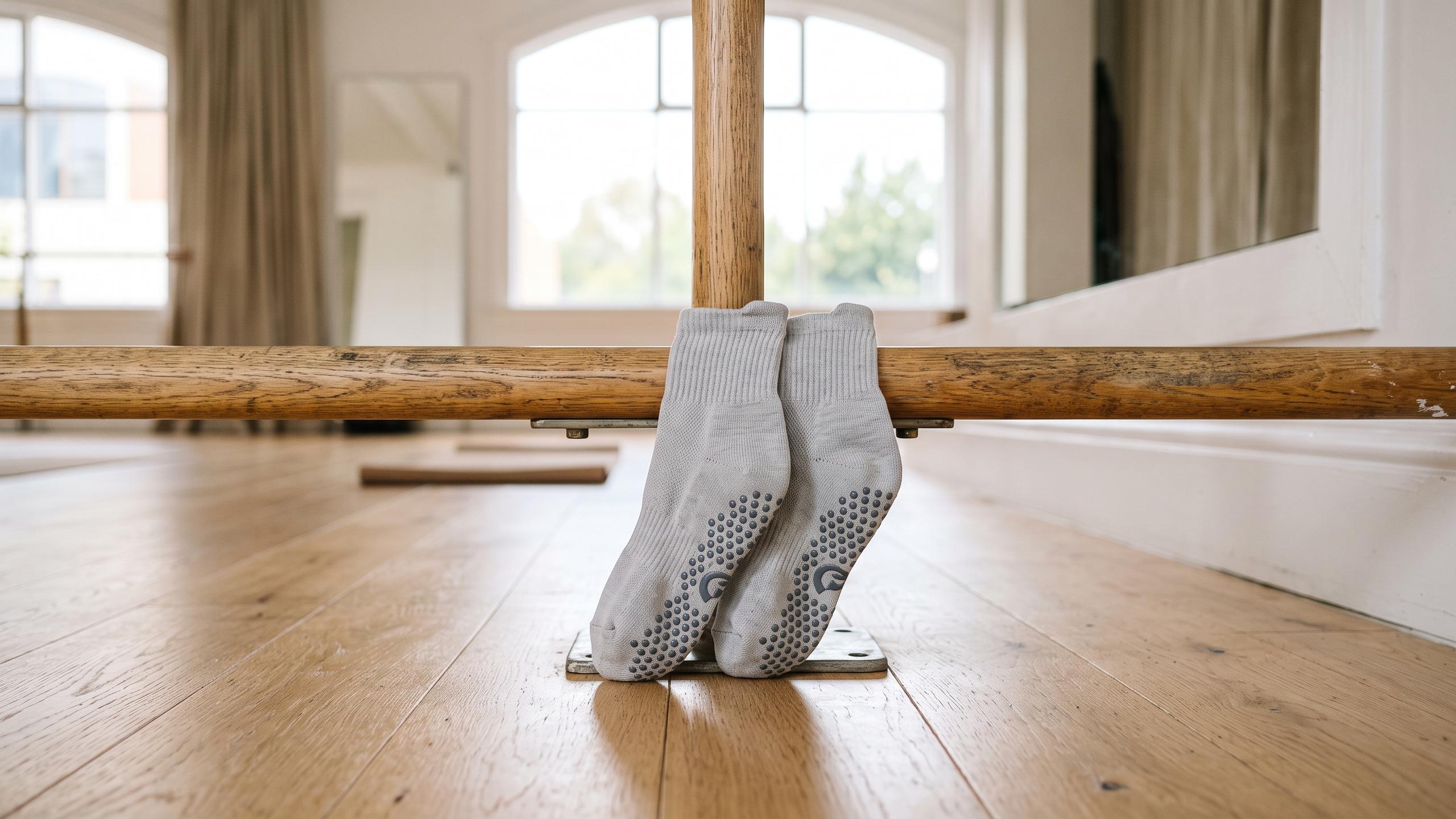
A ballet-inspired cardio workout, often called barre, requires a more minimalist and modular setup. The most crucial piece of 'equipment' is often something you already own: a sturdy chair, countertop, or other stable surface to act as a makeshift barre for balance. For those wanting a more dedicated setup, portable ballet barres are available and offer a more authentic experience. Beyond the barre, essentials are few. A good yoga or workout mat is necessary for floor exercises and stretching, providing cushioning and grip. Other common additions include light hand weights, resistance bands, and small exercise balls to increase intensity and target specific muscle groups, but these are often optional, especially for beginners. This à la carte approach means the initial investment can be very low, with the option to add more gear over time.
The Space Debate: Fixed Footprint vs. Open Area
The space required for a rowing machine is well-defined and non-negotiable. A standard rower needs a footprint of about 8 to 9 feet in length and 2 feet in width when in use. You also need a couple of feet of clearance on the sides and rear for safe movement. This creates a total operational area of roughly 10 feet by 4 feet. While this is a significant chunk of a room, many modern rowers are designed to fold or stand vertically, drastically reducing their storage footprint when not in use.
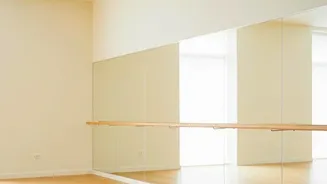
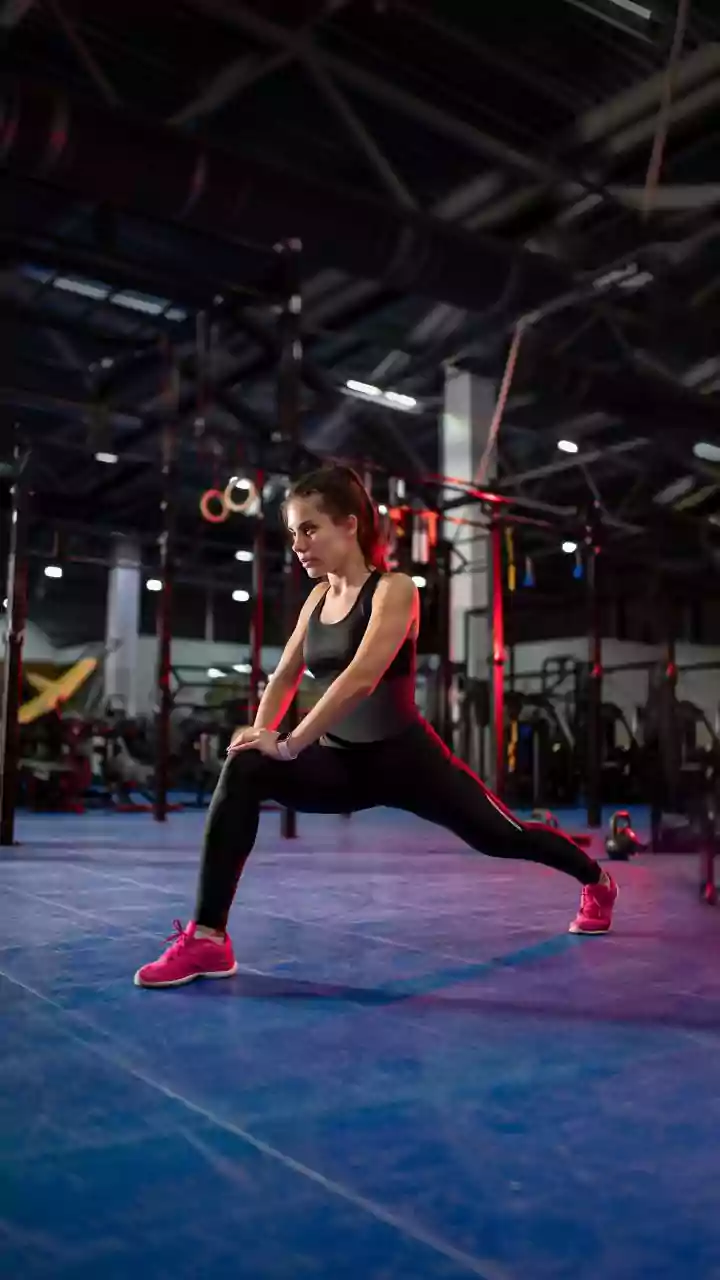
In contrast, a ballet workout doesn't have a large machine, but it requires a clear, open area. While a barre (or chair) sits against a wall, the workout itself involves dynamic movements like leg extensions, pliés, and small jumps that require unobstructed space. You need enough room to extend your limbs fully in all directions without hitting furniture. A full-length mirror is also highly recommended for checking your form and alignment, which is a key part of ballet training.
Cost of Entry: One Big Purchase vs. Small Add-'Ons
Financially, the two workouts represent different strategies. Investing in a rowing machine is typically a single, significant purchase. Entry_level magnetic or hydraulic rowers can be found for a few hundred dollars, while high_end air or water rowers with interactive screens can cost well over a thousand. Some connected models also require an ongoing monthly subscription for classes.
Getting started with ballet cardio at home can cost next to nothing if you use a chair and your own body weight for resistance. Building a more complete kit is still relatively inexpensive. A good yoga mat, a set of resistance bands, and some light weights can be acquired for under a hundred dollars total. Even a dedicated portable barre is generally less expensive than a mid_range rowing machine. This makes ballet cardio highly accessible from a budget perspective, with costs that grow incrementally as you decide to invest more.