


Rethink Your Cooking Fats
The foundation of many Indian dishes starts with a sizzle of oil or ghee. While traditional fats have their place, everyday cooking benefits from a heart-smarter approach. The goal is to reduce saturated fats and eliminate trans fats. Replace vanaspati
(hydrogenated vegetable oil) and excessive amounts of ghee or butter with healthier, unrefined oils. For high-heat cooking like tadkas and stir-fries, cold-pressed mustard, groundnut, or sesame oil are excellent choices. For dressings or light sautéing, extra virgin olive oil can be used. The key is moderation. Even with healthy oils, use a measuring spoon instead of free-pouring to control quantity and keep your heart happy.
Embrace Whole Grains and Millets
Many of us grew up on soft, fluffy white rice and rotis made from refined maida or wheat flour. The simplest upgrade here is to switch to their whole, unprocessed counterparts. Opt for whole wheat atta for your chapatis, and try incorporating millets like jowar, bajra, and ragi into your diet. These ancient grains are packed with fibre, which helps manage cholesterol levels and keeps you feeling full for longer. Instead of polished white rice, make brown or red rice your default. They retain the nutrient-rich bran and germ, offering more vitamins, minerals, and a lower glycaemic index, which is beneficial for heart health and blood sugar control.
Double Down on Dal and Vegetables
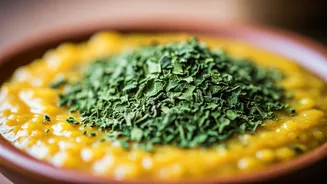
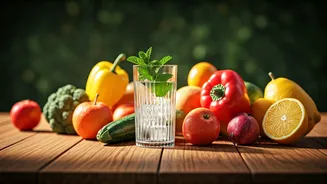
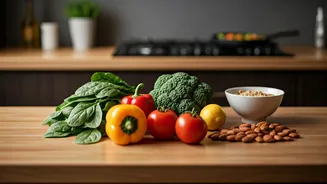
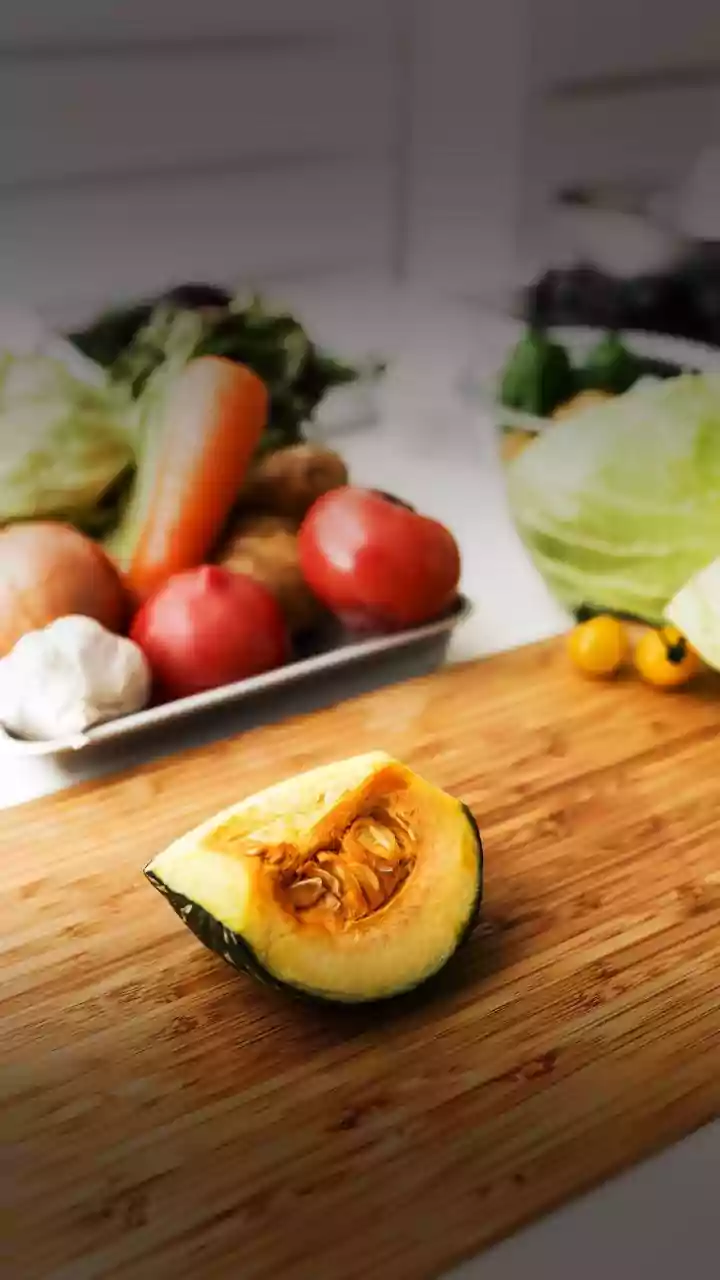
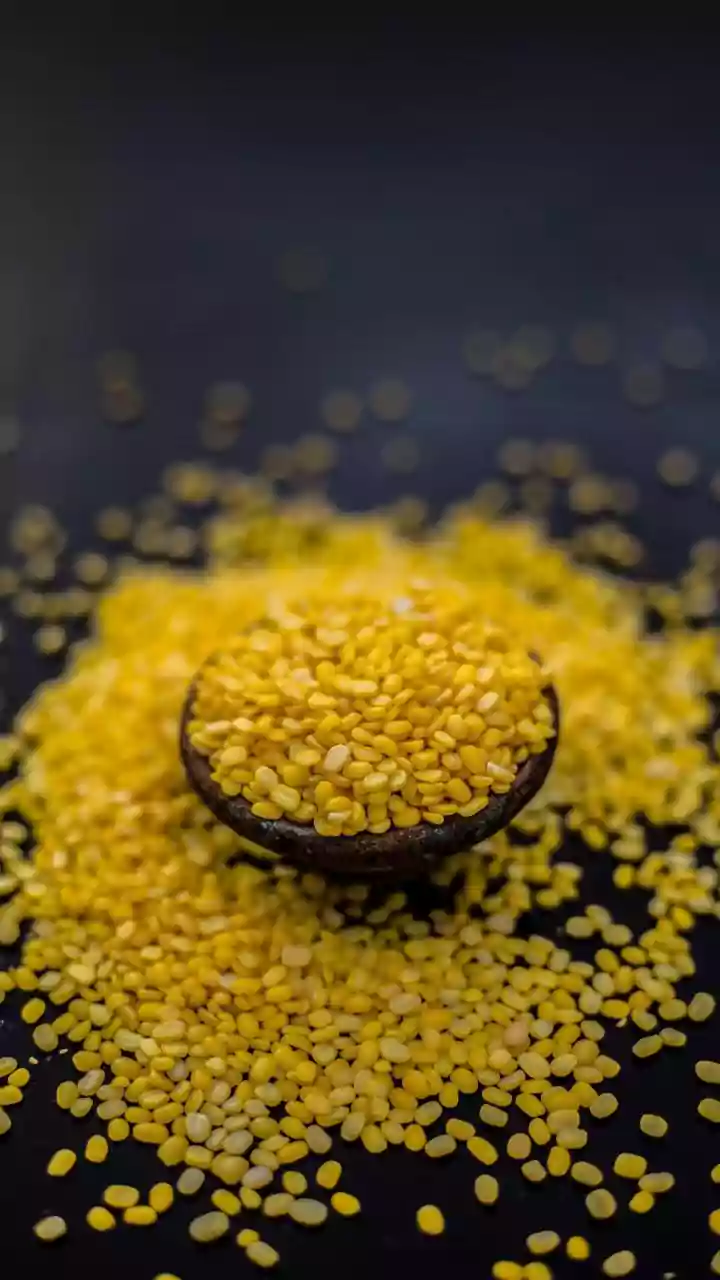
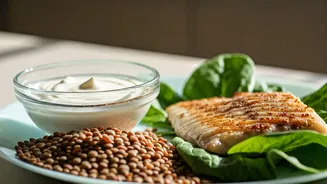
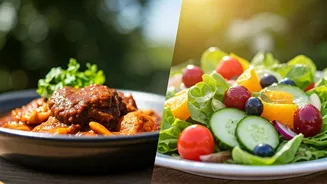
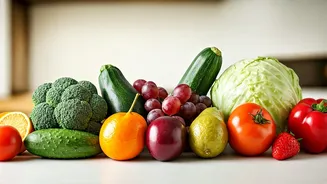
The good news is that the Indian diet is naturally rich in some of the most heart-healthy foods on the planet: lentils, beans, and vegetables. These are your powerhouse sources of plant-based protein and soluble fibre. Make it a rule to have at least one dal or legume-based dish daily, like sambar, rajma, or chana masala. Aim to fill half your plate with non-starchy vegetables. Instead of making your sabzi with a small amount of vegetables swimming in a heavy gravy, reverse the ratio. Use more vegetables and less oil and masala. This increases your intake of essential vitamins, antioxidants, and fibre, which actively work to protect your cardiovascular system.
Master Healthier Cooking Methods
How you cook is just as important as what you cook. The allure of deep-fried pakoras, samosas, and puris is undeniable, but these should be occasional treats, not daily staples. Explore alternative cooking techniques that preserve nutrients without adding excess fat. Steaming (like for idlis or dhokla), roasting (for vegetables or chicken), grilling, and pressure cooking are all fantastic methods. Modern appliances like air fryers can give you the satisfying crunch of fried foods with a fraction of the oil. When making gravies, try sautéing onions and tomatoes in a minimal amount of oil or even water-sautéing for an almost oil-free base.
Dial Down Salt, Amp Up Spices
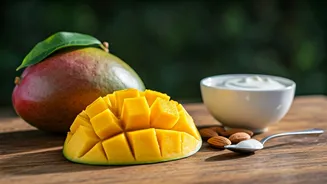
A high-sodium diet is a major contributor to high blood pressure, a key risk factor for heart disease. Packaged foods, pickles, and papads are obvious sources, but a surprising amount of salt comes from our daily cooking. A simple rule is to reduce the salt you add by half and compensate with India’s incredible arsenal of spices. Turmeric, coriander, cumin, ginger, garlic, and black pepper not only add complex flavours but also come with their own anti-inflammatory and antioxidant benefits. Use fresh herbs like coriander and mint, and a squeeze of lemon or a dash of amchur (dry mango powder) at the end of cooking for a bright, zesty finish that means you won't even miss the extra salt.
Choose Your Snacks Wisely
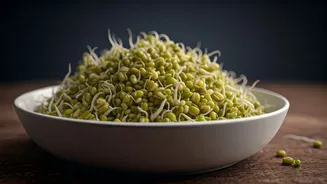
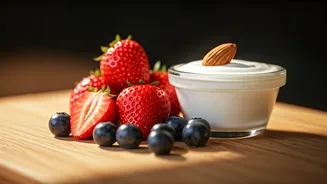
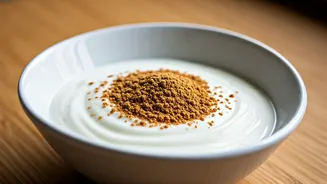
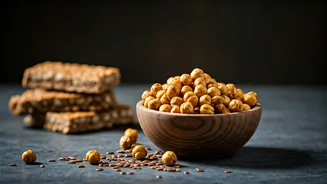
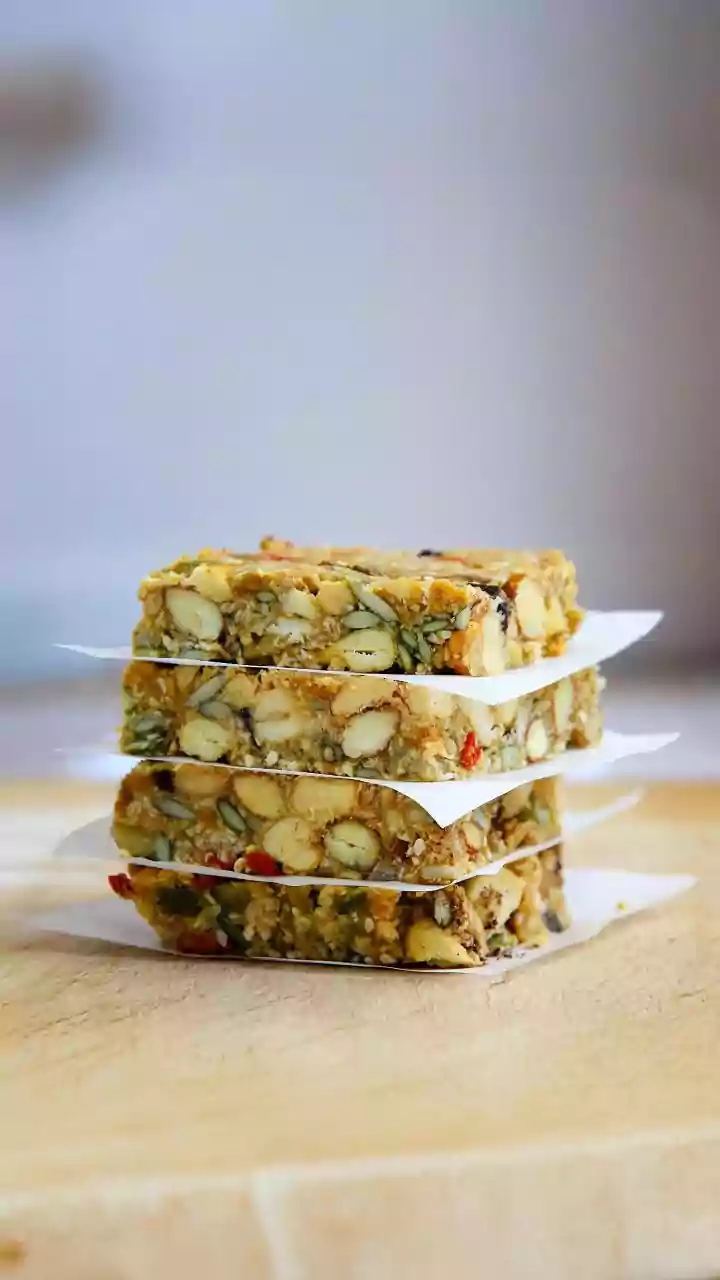
The 4 PM snack attack is real. Instead of reaching for fried mathri, sev, or biscuits made from refined flour, plan for healthier alternatives. A handful of nuts like almonds and walnuts provides healthy fats and protein. Roasted makhana (fox nuts) or chana (chickpeas) are crunchy, savoury, and full of fibre. A bowl of plain yogurt, fresh fruit, or a simple sprout salad are also excellent choices. This small change can have a big impact on your overall calorie and fat intake, helping you maintain a healthy weight—a crucial component of heart health.