


Your Digital Toolkit: Essential Navigation Apps
Before you even step out of the door, your smartphone is your first line of defence against monsoon traffic. Navigation apps like Google Maps and Waze are indispensable. Their real-time traffic feature, displayed with color-coded lines, is crucial. Red
lines often signify heavy congestion, which during the monsoon is a strong indicator of waterlogging. These apps are increasingly integrated with official information, with Delhi Traffic Police partnering with platforms to provide live alerts on closures and diversions directly within the app. Beyond just showing traffic, these apps can suggest alternative routes that may be longer but avoid inundated areas, saving you time and stress. For more detailed weather insights, apps like MAUSAM (from the IMD), Skymet Weather, and AccuWeather provide minute-by-minute precipitation forecasts, helping you decide whether to leave now or wait for a break in the downpour.
The Social Media Pulse: Real-Time Alerts
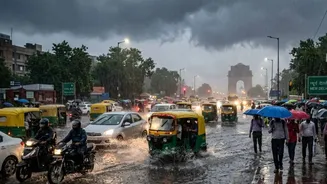
For the most immediate, on-the-ground updates, nothing beats social media. The Delhi, Gurugram, and Noida traffic police departments are incredibly active on X (formerly Twitter), especially during heavy rainfall. They post frequent updates about specific waterlogged points, traffic diversions, and accidents, often with photos and videos. Following these official handles is one of the fastest ways to learn about a problem on your route. Searching for hashtags like #DelhiRains, #GurugramTraffic, or #NoidaTraffic can also reveal real-time reports from fellow commuters, giving you a crowdsourced view of the situation that even official channels might not have reported yet. These platforms are particularly useful for identifying chronically problematic areas like the Minto Bridge, Ring Road near Nigambodh Ghat, or stretches of NH-48 in Gurugram, which are frequently mentioned in alerts.
Official Helplines: When You Need to Report an Issue
Sometimes, you're the first to encounter a problem. Delhi's government has worked to centralize monsoon-related complaints. The Public Works Department (PWD) operates a 24/7 monsoon control room. Residents can report waterlogging issues by calling their helpline numbers (1800-11-0093 and 011-23490323) or by sending details via WhatsApp to 8130188222. In 2025, plans were announced for a unified helpline, 311, to handle all civic complaints, including waterlogging, across multiple agencies like the MCD, PWD, and DDA. Using these channels not only helps you but also contributes to the official data, enabling authorities to deploy resources more effectively.
Visual Cues: The Analogue Road Check
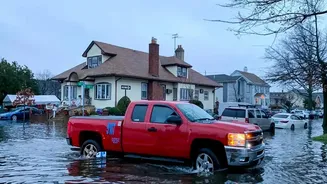
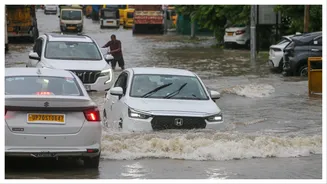
Technology can fail, and sometimes you have to rely on your own judgment. Before driving into a waterlogged patch, take a moment to assess the situation. One of the simplest rules is to avoid driving through any water where you cannot see the road surface beneath. Stagnant water can hide deep potholes or, worse, open manholes. A useful trick is to observe the water level against the pavement kerb or watch other vehicles. If the water is higher than the bottom of car doors or the engine casing on a bike, it's too deep to cross safely. Driving through deep water can cause your engine to hydrolock, a catastrophic and expensive failure. If you see larger vehicles like buses creating waves, wait for them to pass and for the water to settle. Driving slowly and steadily in a low gear, without stopping, is key if you must cross a shallowly flooded area.
A Pre-Commute Checklist for Rainy Days
Getting into a routine can make monsoon travel significantly less stressful. Here’s a simple checklist to run through: 1. 30 Minutes Before Leaving: Check a weather app like MAUSAM or Skymet for rain intensity and duration forecasts. 2. 15 Minutes Before Leaving: Open Google Maps or Waze to assess real-time traffic and look for red zones or road closure symbols on your intended route. 3. 5 Minutes Before Leaving: Quickly scan the X feed of your local traffic police for any last-minute emergency advisories or diversions. 4. Identify a Backup Route: Always have an alternative route in mind, preferably one that uses elevated roads or flyovers, which are less prone to flooding. 5. Vehicle Check: Ensure your wipers, headlights, and tyres are in good condition. Visibility and grip are your best friends on wet roads. 6. When in Doubt, Wait: If the rain is exceptionally heavy and alerts are severe, delaying your travel by even 30-60 minutes can make a huge difference. Authorities in Gurugram have previously issued advisories for companies to allow work-from-home on days with heavy rain forecasts to avoid chaos.