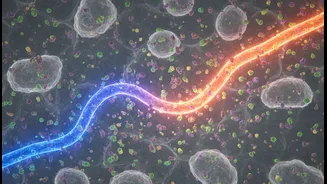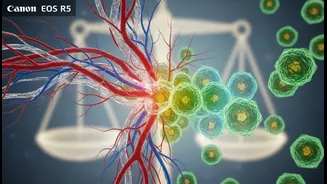




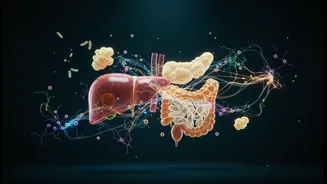



Beyond Calories: A Deeper Problem
For decades, the formula for weight management seemed simple: burn more calories than you consume. While this principle has its place, it fails to explain why so many people struggle to maintain weight loss long-term. The reality is more complex, involving
a destructive cycle of weight gain and chronic, low-grade inflammation. This persistent inflammation disrupts crucial hormones that regulate appetite and metabolism, like insulin and leptin. It makes your body more likely to store fat and less sensitive to signals of fullness, creating a biological environment that works against your weight maintenance efforts. This isn't a failure of willpower; it's a physiological battle.
The Unsung Hero: Your Blood Vessels
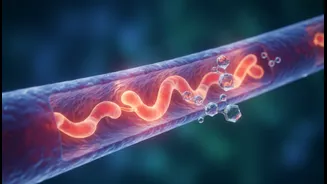
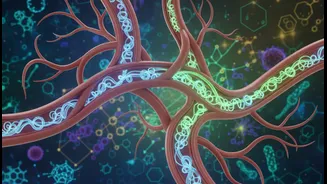
At the heart of this battle are your blood vessels, specifically their delicate inner lining, known as the endothelium. Far from being simple plumbing, the endothelium is a vast, active organ that plays a critical role in your metabolic health. A healthy endothelium helps regulate blood pressure, prevents dangerous clots, and, crucially, controls the passage of nutrients and hormones between your blood and your tissues. When the endothelium is functioning well, it helps maintain a state of balance. But when it becomes damaged or dysfunctional—often due to factors like a poor diet, stress, and excess body fat—it loses its protective qualities and becomes a source of inflammation itself.
Inflammation: The Silent Saboteur
Chronic inflammation is the silent saboteur of vascular health. Excess body fat, particularly around the abdomen, releases a steady stream of inflammatory chemicals. This constant inflammatory state damages the endothelium, making it stiff and less responsive. This dysfunction is a key factor in the development of insulin resistance, where your cells can no longer efficiently take up sugar from the blood. It’s a vicious cycle: inflammation contributes to weight gain and metabolic disruption, and the excess weight promotes further inflammation. Breaking this cycle is essential for long-term health and weight control.
Exercise: The Gold Standard Protector
This is where exercise proves its incredible value, acting as a powerful anti-inflammatory medicine. Regular physical activity directly improves the health of your endothelium. When you exercise, the increased blood flow stimulates the production of nitric oxide, a molecule that helps relax and widen your blood vessels. This not only lowers blood pressure but also makes the vessel lining smoother and less prone to inflammation. Over time, exercise helps reduce systemic inflammation, improves insulin sensitivity, and can even prompt the growth of new blood vessels. These benefits occur even without significant weight loss, highlighting that the primary gains from exercise are often metabolic.
New Medications, Similar Pathways
The latest generation of weight-loss medications, known as GLP-1 agonists (like semaglutide), are revealing a fascinating parallel. While famed for their effects on appetite and weight, research shows they also have powerful anti-inflammatory effects that are independent of weight loss. Studies demonstrate that these drugs can reduce markers of inflammation, protect the endothelium, and improve overall cardiovascular health. By targeting GLP-1 receptors found on immune and vascular cells, these medications appear to directly combat the inflammation that drives metabolic disease, echoing one of the core benefits of exercise. This suggests their success may be due to more than just reduced calorie intake; they are also helping to heal the underlying vascular dysfunction.